

- By kelly
- October 17, 2025
- Logistics, Tips or Guide
Time to Ship Machinery from China to USA – Complete Guide
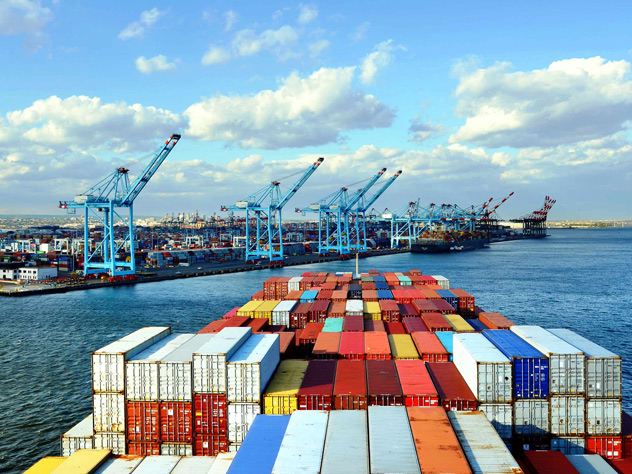
Businesses importing industrial equipment and factory supplies must carefully plan the time to ship machinery from China to USA. Machinery is heavy, bulky, and often subject to strict customs requirements. However, with the right shipping method—air, sea, or multimodal—companies can ensure timely delivery while balancing cost and efficiency. This article explores transit times, shipping methods, costs, customs rules, and strategies for smooth machinery imports.
1. Why Does Shipping Time Matter for Machinery?
Machinery imports are usually tied to production schedules, factory operations, or construction projects. Delays can result in halted production, financial losses, or missed contracts. Therefore, understanding transit times and planning shipments ahead is critical to avoid costly disruptions.
2. What Factors Affect the Time to Ship Machinery from China to USA?
Several variables influence delivery time:
- Shipping method – air, sea (FCL/LCL), or multimodal.
- Origin and destination ports – Shanghai to Los Angeles is faster than Ningbo to Houston.
- Customs clearance duration – inspections may delay shipments.
- Peak seasons – Chinese New Year, holiday demand, and port congestion.
- Type of machinery – oversized or hazardous equipment requires special handling.
3. How Long Does It Take to Ship Machinery by Different Methods?
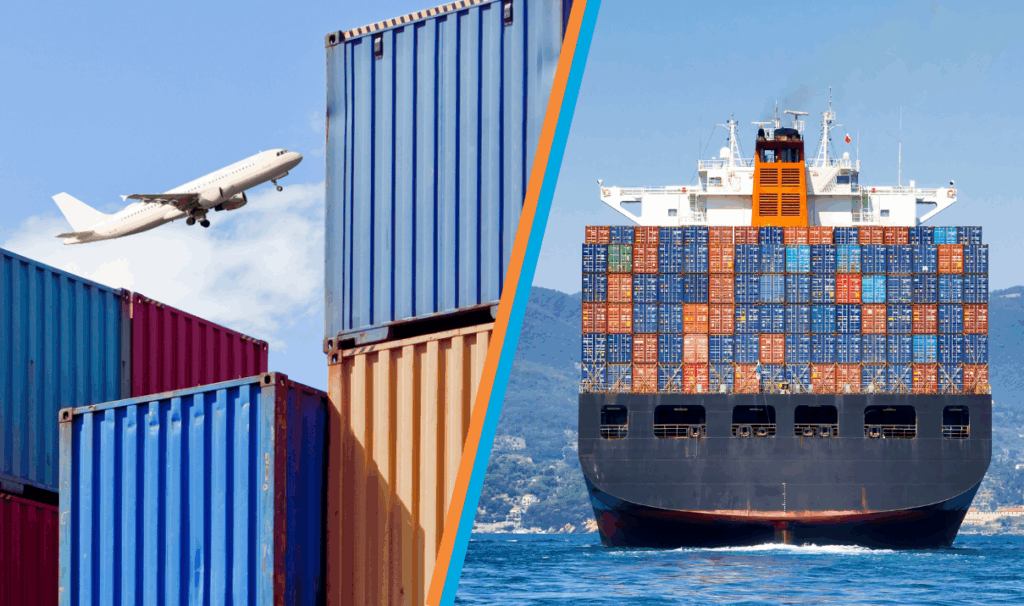
Table 1: Shipping Method Comparison
| Method | Transit Time | Average Cost | Pros | Cons |
|---|---|---|---|---|
| Air Freight | 5–10 days | $6–$12/kg | Fast, reliable, secure | Expensive for heavy cargo |
| Sea Freight FCL | 25–35 days | $2,500–$3,200/40ft container | Economical, suitable for bulk | Slow, port delays possible |
| Sea Freight LCL | 28–40 days | $80–$150/cbm | Flexible for small loads | Shared space, higher risk of delay |
| Rail + Sea Multimodal | 22–28 days | $4,000–$5,000/container | Mid-cost, eco-friendly | Complex routing, limited entry points |
| Courier | 4–7 days | $12–$18/kg | Door-to-door, fastest for small items | Not suitable for heavy machinery |
4. How Long Does Sea Freight Take for Machinery?
Sea freight is the most common option for heavy machinery. Transit times vary depending on departure and arrival ports.
Table 2: Average Sea Freight Transit Times
| Route (China–USA) | Transit Time |
|---|---|
| Shanghai – Los Angeles | 18–22 days |
| Ningbo – Houston | 28–32 days |
| Shenzhen – New York | 30–35 days |
| Qingdao – Savannah | 28–34 days |
5. Can Machinery Be Shipped by Air Freight?
6. What Customs Documents Are Required for Machinery Imports?
Customs clearance significantly impacts total transit time. Missing documents may cause weeks of delays.
Table 3: Customs Documents Checklist
| Document | Purpose |
|---|---|
| Commercial Invoice | Declares shipment value and machinery details |
| Packing List | Detailed breakdown of contents |
| Bill of Lading / Air Waybill | Proof of shipment contract |
| HS Code Declaration | Ensures proper tariff classification |
| Importer Security Filing (ISF) | Required for sea shipments to USA |
| EPA or FDA Certificates (if applicable) | For regulated machinery types |
| Customs Bond | Required for shipments over $2,500 |
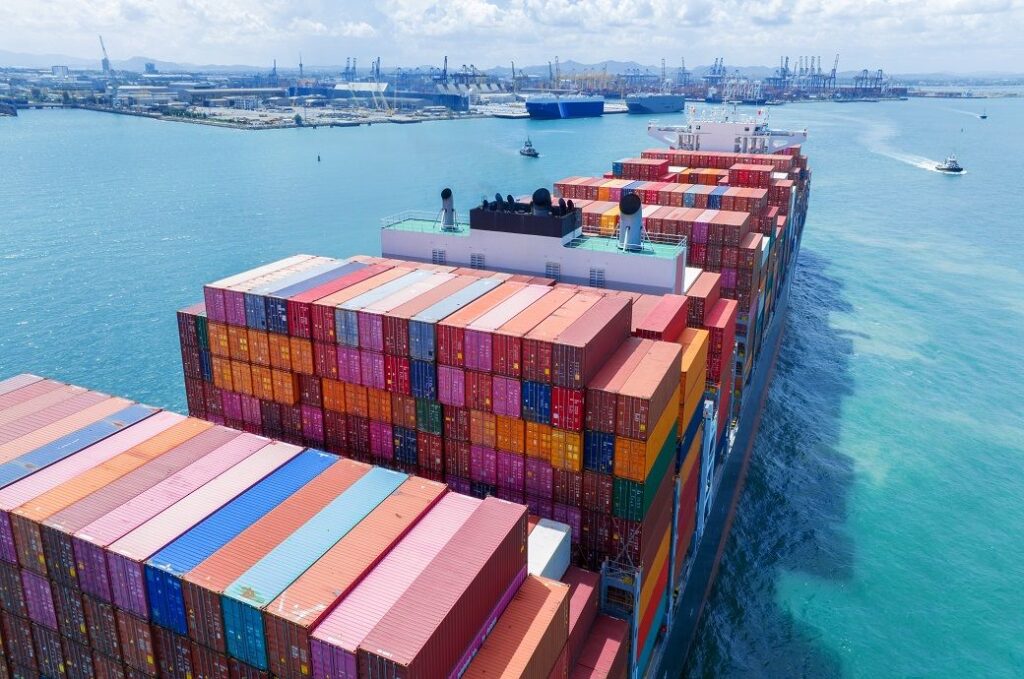
7. Should You Choose FCL or LCL for Machinery?
- FCL (Full Container Load): Best for large or oversized machinery. Provides exclusive space, lower damage risk, and faster handling.
- LCL (Less than Container Load): Suitable for small or single machinery parts. However, cargo is consolidated, which can lead to longer clearance times.
8. What Are the Pros and Cons of Each Shipping Method?
Table 4: Pros and Cons Summary
| Method | Pros | Cons |
|---|---|---|
| Air Freight | Fast, secure, reliable | Very expensive |
| Sea Freight | Cost-effective, handles oversized cargo | Slow transit times |
| Rail + Sea | Eco-friendly, mid-speed option | Limited routes to USA |
| Courier | Door-to-door, fastest small shipments | Not suitable for heavy loads |
9. How to Reduce Shipping Time for Machinery?
- Book early to secure vessel or flight space.
- Use direct shipping routes instead of transshipments.
- Hire customs brokers to speed up clearance.
- Ensure complete documents to avoid rejections.
- Plan shipments around peak seasons to minimize delays.
10. What Are the Most Popular U.S. Ports for Machinery Imports?
- Los Angeles / Long Beach – Fastest entry point from Asia.
- Houston – Strong hub for industrial and oil-related machinery.
- New York / New Jersey – Major East Coast port.
- Savannah – Growing southern hub with efficient handling.
11. How Does Seasonality Affect Shipping Time?
- Chinese New Year: Factories and ports close for 1–2 weeks.
- Christmas season: Shipping demand spikes, slowing transit.
- Golden Week (October): Temporary shutdowns in China add delays.
Therefore, businesses must plan 4–6 weeks in advance during peak seasons.
12. What Trends Are Influencing Machinery Shipping Times?
- Post-pandemic congestion recovery improving reliability.
- Green shipping initiatives increasing rail-sea multimodal demand.
- Digital tracking platforms providing real-time visibility.
- Automation in ports reducing container handling delays.
📦Get a Free Quote
When planning the time to ship machinery from China to USA, choosing the right method is critical. Our freight experts help businesses save costs, reduce delays, and ensure compliance with customs. Contact us today for a tailored shipping solution that matches your delivery schedule.
❓ Frequently Asked Questions
1. How long does sea freight take for machinery from China to USA?
Sea freight takes between 25–35 days depending on departure port, destination, and customs clearance efficiency.
2. Is air freight practical for heavy machinery?
Air freight is usually too expensive for large equipment but works well for urgent spare parts or small machinery.
3. What is the fastest way to ship machinery from China?
Air freight or courier is the fastest, delivering in 5–10 days, but costs are much higher than sea freight.
4. Do I need a customs bond to import machinery?
Yes. Any shipment over $2,500 requires a customs bond to comply with U.S. import regulations.
5. How much does it cost to ship a container of machinery?
A 40ft container typically costs $2,500–$3,200 depending on route, season, and carrier availability.
Conclusion
The time to ship machinery from China to USA depends on method, cargo size, and customs clearance. Sea freight remains the most cost-effective for bulk equipment, while air freight is best for urgent spare parts. Rail-sea multimodal provides a balanced option for mid-priority shipments. By planning ahead, preparing documents properly, and partnering with a reliable freight forwarder, businesses can reduce delays and ensure smooth machinery imports to the U.S.