

The time to ship textiles from China to Europe plays a critical role in the fashion and apparel supply chain. Importers must balance cost, speed, and reliability to ensure timely delivery of fabrics, garments, and accessories. In this detailed guide, we explore transit times, shipping routes, customs requirements, and logistics strategies to help textile importers make informed decisions.

1. Why Is Textile Shipping Time from China to Europe So Important?
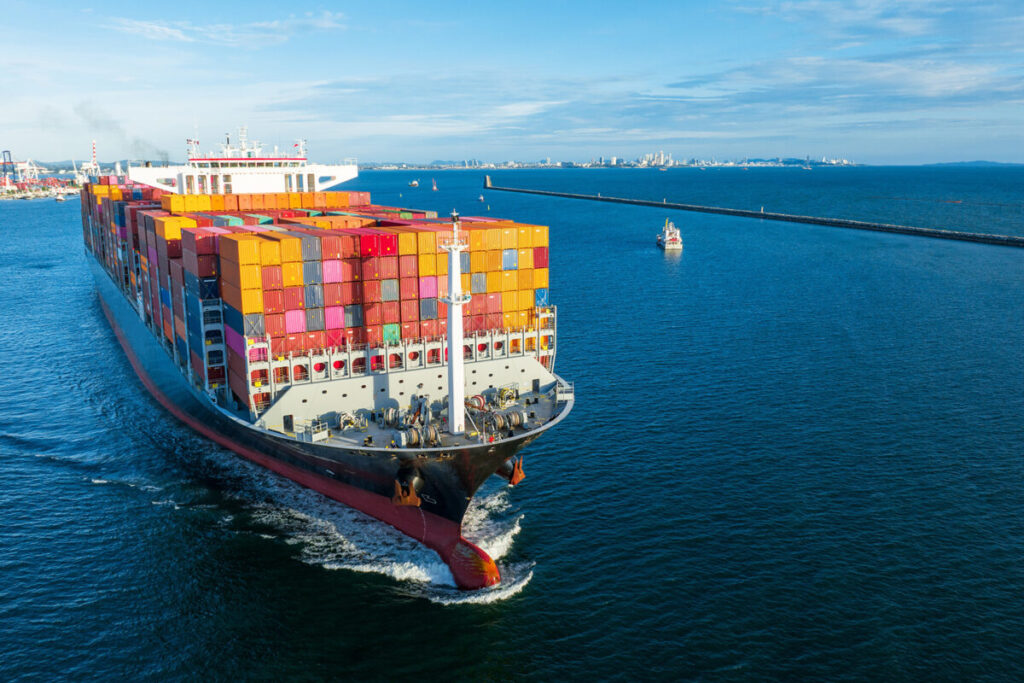
Fashion retailers and textile manufacturers rely on fast and predictable logistics to meet production deadlines and seasonal demand. A delay in textile shipment can disrupt entire product cycles, especially in the fast-fashion industry.
Key Reasons
- Seasonal trends: Timely arrivals keep collections aligned with fashion cycles.
- Just-in-time production: Reduced warehouse costs.
- Competitive advantage: Faster delivery improves market responsiveness.
- Customer satisfaction: On-time availability boosts brand reputation.
Moreover, with Europe importing over $50 billion in textiles from China annually, optimizing shipping time is vital for profitability and supply chain efficiency.
2. How Long Does It Take to Ship Textiles from China to Europe?
The shipping time for textiles from China to Europe varies depending on the transport method—sea, rail, air, or multimodal services.
| Shipping Method | Average Transit Time | Ideal For | Notes |
|---|---|---|---|
| Sea Freight | 30–40 days | Bulk textile rolls or garments | Cheapest but slowest |
| Rail Freight | 18–22 days | Mid-sized textile shipments | Good balance of speed & cost |
| Air Freight | 5–8 days | Urgent or high-value fabrics | Fastest, but expensive |
| Express Courier | 3–6 days | Small samples or urgent orders | Door-to-door service |
Example:
- Guangzhou → Rotterdam (Sea): 35 days
- Chengdu → Hamburg (Rail): 20 days
- Shanghai → Paris (Air): 7 days
3. What Are the Fastest Routes from China to Europe for Textile Shipments?
Multiple trade corridors connect China’s textile hubs to European ports and logistics centers.
| Origin (China) | Destination (Europe) | Route | Transit Mode | Duration |
|---|---|---|---|---|
| Shenzhen | Antwerp | South China Sea → Suez Canal | Sea | 32–36 days |
| Yiwu | Duisburg | Belt & Road Corridor | Rail | 18–21 days |
| Shanghai | Milan | Air via Doha or Frankfurt | Air | 6–8 days |
| Chengdu | Warsaw | Trans-Siberian Rail | Rail | 19–22 days |
Tip: Rail routes like Yiwu–Duisburg and Chongqing–Warsaw have weekly departures, ensuring flexibility and predictable schedules.
What are you waiting for?
Contact chinatopfreight for a fast, free quote.
Are you ready to book?
Access live instant freight quotes
4. How Does Shipping Method Affect Textile Delivery Time and Cost?
Choosing between air, sea, or rail depends on cargo urgency, budget, and volume.
| Method | Transit Time | Average Cost | Best For | Pros | Cons |
|---|---|---|---|---|---|
| Sea Freight | 30–40 days | $40–$80/CBM | Bulk fabric rolls | Cheapest per unit | Long transit |
| Rail Freight | 18–22 days | $120–$160/CBM | Apparel, mid-volume | Balanced | Limited routes |
| Air Freight | 5–8 days | $6–$9/kg | Urgent clothing | Fastest | High cost |
| Courier/Express | 3–6 days | $8–$12/kg | Samples or small boxes | Door-to-door | Not for bulk |
Conclusion:
If timing is critical (e.g., new fashion launches), air freight ensures the fastest lead time. For steady bulk imports, rail freight offers the best cost-to-speed ratio.
5. What Are the Key Textile Export Hubs in China?
China’s textile industry spans multiple provinces, each specializing in different product types.
| Region | Specialty | Nearby Port/Hub |
|---|---|---|
| Guangdong (Shenzhen) | Garments, knitwear | Yantian, Shekou |
| Zhejiang (Shaoxing, Yiwu) | Fabrics, accessories | Ningbo, Yiwu rail hub |
| Jiangsu (Suzhou, Wuxi) | Silk, home textiles | Shanghai Port |
| Shandong (Qingdao) | Denim, cotton textiles | Qingdao Port |
| Fujian (Xiamen) | Sportswear, synthetic fabrics | Xiamen Port |
These regions have direct rail or sea access, reducing domestic transport time before export.
6. How Do Customs and Documentation Affect Shipping Time?
Customs clearance can add 2–5 days to the total transit time if documentation is incomplete or inaccurate.
| Document | Purpose |
|---|---|
| Commercial Invoice | Declares cargo value |
| Packing List | Describes contents and weight |
| Bill of Lading / Air Waybill | Proof of shipment |
| Certificate of Origin | Confirms Chinese origin |
| Textile Declaration (EU) | Ensures compliance with fabric composition rules |
| Import License (if needed) | For restricted items |
| Insurance Certificate | Covers cargo damage/loss |
Tip: Pre-clearance via electronic customs systems in both China and EU countries can significantly reduce waiting times.
7. What Customs Duties and Taxes Apply to Textiles?

Duties depend on the textile type, HS code, and material composition.
| Product Type | HS Code | Duty Rate (EU) | VAT (Example: France) |
|---|---|---|---|
| Cotton Fabrics | 5208–5212 | 8–12% | 20% |
| Synthetic Fibers | 5407–5408 | 6–10% | 20% |
| Apparel/Clothing | 6101–6209 | 12% | 20% |
| Home Textiles | 6301–6304 | 8–10% | 20% |
Pro Tip: Use preferential trade agreements (e.g., GSP or FTAs) if applicable, to reduce or eliminate import duties.
8. How Can You Reduce Shipping Time for Textile Imports?
To optimize transit schedules and reduce delays:
- Plan shipments early: Avoid congestion during holidays (Chinese New Year, Golden Week).
- Choose direct routes: Fewer transshipments mean faster delivery.
- Use consolidation services: Combine small textile orders for faster dispatch.
- Ensure correct paperwork: Avoid customs holds.
- Work with experienced freight forwarders: They handle routing, customs, and documentation efficiently.
- Leverage multimodal transport: Combine rail + truck for speed and flexibility.
Example: A Shenzhen-to-Europe rail + truck route can save 5–7 days compared to full sea freight.
9. How Does Packaging Impact Textile Shipping Efficiency?
Proper packaging prevents damage and optimizes space, reducing costs and transit issues.
| Packaging Type | Use Case | Benefit |
|---|---|---|
| Roll Packing (Plastic-Wrapped) | Fabrics, cloth | Compact and moisture-resistant |
| Carton Boxes | Apparel | Easy stacking |
| Palletized Cargo | Bulk shipments | Stable handling |
| Vacuum Sealed Bags | High-value garments | Reduces volume |
Tip: Use desiccant bags to protect fabrics from humidity during long sea voyages.
10. What Are the Pros and Cons of Each Shipping Mode for Textiles?
| Mode | Pros | Cons |
|---|---|---|
| Sea Freight | Cheapest per unit, ideal for bulk fabrics | Long lead time |
| Rail Freight | Reliable, moderate speed | Slightly higher cost |
| Air Freight | Fast and secure | Expensive |
| Express Courier | Convenient, trackable | Limited for large volume |
Conclusion: A hybrid strategy—using sea for regular stock and air for urgent replenishment—helps maintain both cost efficiency and flexibility.
Conclusion
The time to ship textiles from China to Europe depends on transport mode, route, and customs efficiency. On average, expect 18–40 days depending on whether you choose rail, air, or sea. Businesses should plan shipments strategically—using sea freight for bulk stock, rail for mid-speed delivery, and air freight for urgent goods. By optimizing logistics, documentation, and packaging, textile importers can ensure smooth delivery, lower costs, and maintain product quality from factory to fashion floor.
FAQ
1. How long does sea freight take for textile shipping from China to Europe?
Sea freight takes around 30–40 days, depending on the route, port congestion, and weather conditions along the shipping path.
2. Which is faster, rail or sea freight for textiles?
Rail freight is faster, taking 18–22 days, compared to 35 days by sea, and offers a good balance between cost and delivery time.
3. Can I ship small textile samples by air?
Yes. Air courier services (DHL, FedEx, UPS) deliver textile samples within 3–6 days, suitable for design approvals and pre-production.
4. Are there import restrictions on textiles into Europe?
Most textiles are freely traded, but certain fabrics must comply with EU labeling, safety, and environmental regulations.
5. What’s the best shipping method for bulk textile orders?
For high-volume fabric rolls or finished garments, sea freight (FCL) is the most cost-effective method.