

- By kelly
- September 25, 2025
- Logistics, Tips or Guide
Toll China to Australia Freight Forwarding: Complete Guide for Importers
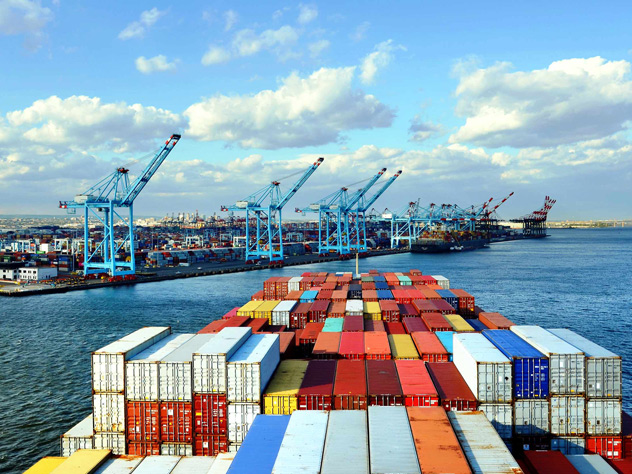
When businesses plan imports, one of the most crucial concerns is the choice of freight forwarding services. Many shippers consider Toll China to Australia freight forwarding because of its reliability, wide network, and competitive pricing. However, to make informed decisions, companies must understand shipping costs, transit times, and customs compliance requirements. This detailed guide covers everything importers need to know when moving cargo between China and Australia.
1. What Is Toll China to Australia Freight Forwarding?
Toll Group is a major logistics company headquartered in Australia, with global operations. Its China-to-Australia freight forwarding service connects Chinese manufacturing hubs like Shanghai, Shenzhen, and Guangzhou with Australian ports such as Sydney, Melbourne, and Brisbane.
Key Features:
- Multiple shipping modes: sea, air, courier, and multimodal solutions.
- Integrated supply chain support: warehousing, customs brokerage, and distribution.
- Specialized industry focus: retail, automotive, healthcare, and e-commerce.
2. Why Do Businesses Choose Toll for This Route?
Importers frequently highlight Toll’s:
- Strong presence in both countries with local offices.
- Customs expertise for Australian Border Force (ABF) clearance.
- Door-to-door delivery options that simplify logistics.
- Scalable solutions from small parcels to full container loads.
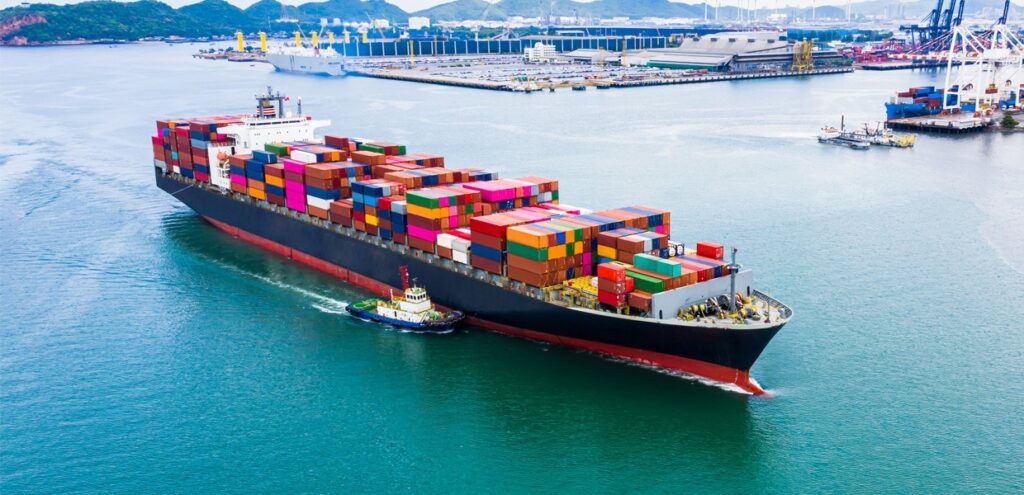
3. What Are the Main Shipping Methods from China to Australia?
| Mode | Cost Level | Transit Time | Pros | Cons |
|---|---|---|---|---|
| Sea Freight (FCL/LCL) | Low | 18–28 days | Cost-effective, high volume | Slower than air |
| Air Freight | High | 3–7 days | Fast, reliable | Expensive |
| Courier/Express | High | 2–5 days | Door-to-door, easy customs | Limited weight |
| Rail + Sea Multimodal | Moderate | 20–25 days | Balanced speed and cost | Less frequent routes |
4. How Much Does Freight Forwarding Cost from China to Australia?
Rates vary depending on volume, season, and Incoterms. On average:
| Container Type | Cost Range (USD) | Notes |
|---|---|---|
| 20ft FCL | $1,200 – $1,800 | Suitable for medium cargo |
| 40ft FCL | $2,200 – $3,200 | Lower per-unit cost |
| LCL (per CBM) | $90 – $140 | Best for smaller shipments |
| Air Freight (per kg) | $4.50 – $7.50 | Depends on airline & urgency |
Moreover, importers should account for port handling, customs duties, and delivery charges, which add to the total landed cost.
5. What Is the Typical Transit Time from China to Australia?
Transit time depends on the shipping method and departure port.
| Origin Port in China | Destination Port in Australia | Sea Transit (Days) | Air Transit (Days) |
|---|---|---|---|
| Shanghai | Sydney | 20–24 | 3–5 |
| Shenzhen | Melbourne | 18–22 | 3–5 |
| Guangzhou | Brisbane | 21–25 | 4–6 |
| Ningbo | Fremantle (Perth) | 25–28 | 4–7 |
6. How Does Toll Handle Customs Clearance in Australia?
Toll offers customs brokerage services, helping importers avoid delays. Key steps include:
- Classification of goods under HS codes.
- Payment of Goods and Services Tax (GST) and duties.
- Quarantine inspection for restricted items.
- Documentation checks before release.
Essential Documents Checklist:
| Document | Purpose |
|---|---|
| Bill of Lading / Air Waybill | Proof of shipment |
| Commercial Invoice | Declares product value |
| Packing List | Item breakdown |
| Certificate of Origin | Confirms manufacturing source |
| Import Declaration | Required by ABF |
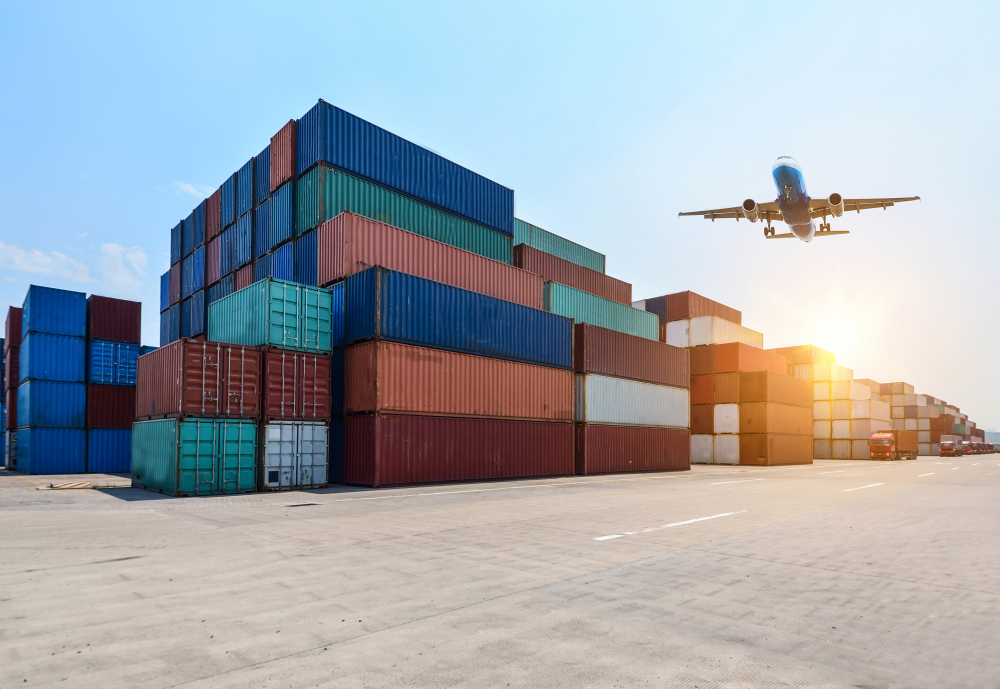
7. Should You Choose FCL or LCL for Sea Freight?
FCL (Full Container Load)
- Ideal for businesses shipping large volumes.
- Cheaper per unit.
- Faster, as containers are not shared.
LCL (Less than Container Load)
- Great for small importers.
- Lower upfront costs.
- Additional consolidation time required.
8. How Do Sea Freight and Air Freight Compare?
| Factor | Sea Freight | Air Freight |
|---|---|---|
| Cost | Low | High |
| Speed | 18–28 days | 3–7 days |
| Cargo Type | Heavy, bulky | Perishable, urgent |
| Environmental Impact | More eco-friendly | Higher carbon footprint |
Therefore, companies must weigh cost savings against delivery urgency.
9. What Do Reviews Say About Toll’s Freight Forwarding?
Customers often highlight:
- Reliability in documentation and customs.
- Transparent cost breakdowns.
- Good communication across both countries.
However, some reviews mention higher prices than smaller forwarders, though Toll’s strong global presence often justifies the cost.
10. How to Reduce Shipping Costs on the China–Australia Route?
- Book in advance to avoid peak-season surcharges.
- Use FCL when possible for lower per-unit costs.
- Consolidate shipments to save on LCL.
- Choose the right Incoterms (FOB, CIF, DAP).
- Work with an experienced forwarder like Toll for customs efficiency.
11. What Industries Benefit Most from Toll Freight Forwarding?
- E-commerce and retail – fast replenishment cycles.
- Manufacturing – large-volume imports of raw materials.
- Healthcare – air freight for sensitive medical equipment.
- Automotive – spare parts requiring just-in-time delivery.
📦Get a Free Quote
Partnering with an experienced provider ensures smooth logistics, competitive rates, and reliable delivery schedules. Whether you are shipping a small LCL consignment or a full container load, Toll offers solutions tailored to your needs. Contact a Toll representative today to get a customized China-to-Australia freight forwarding quote.
❓ Frequently Asked Questions
Q1: How long does sea freight from China to Australia take with Toll?
Transit usually takes 18–28 days, depending on the departure port and destination in Australia.
Q2: Can Toll handle door-to-door shipping?
Yes, Toll offers door-to-door services, covering pickup in China, international freight, customs clearance, and final delivery.
Q3: Does Toll provide Amazon FBA shipping to Australia?
Yes, Toll can deliver shipments directly to Amazon warehouses in Australia with labeling and compliance support.
Q4: What types of cargo does Toll handle?
They manage general cargo, perishable goods, oversized shipments, and hazardous materials under proper compliance procedures.
Q5: Is Toll more expensive than smaller forwarders?
Generally, yes, but the added value comes from global infrastructure, customs expertise, and reliability.
Conclusion
In summary, Toll China to Australia freight forwarding offers reliable shipping solutions backed by strong infrastructure and customs expertise. While costs may be higher than smaller forwarders, the advantages of speed, compliance support, and door-to-door coverage outweigh the price difference for many businesses. Therefore, choosing Toll ensures seamless logistics, minimized risks, and on-time delivery—key factors for a successful supply chain.