When it comes to international trade, choosing the right shipping lines in China can determine the efficiency and cost-effectiveness of your logistics strategy. Reliable Chinese freight forwarders coordinate sea freight, air freight, and rail freight services to ensure smooth supply chains and timely deliveries.
China is home to some of the world’s largest carriers, including COSCO Shipping, China Shipping Container Lines (CSCL), and China Merchants Group. Additionally, global giants like Maersk, MSC, and CMA CGM operate extensively from Chinese ports.
2. Why Are Shipping Lines in China Crucial for Global Trade?
China handles more than 40% of global container traffic. Consequently, its shipping lines connect Asia with North America, Europe, Africa, and Oceania, making them essential for exporters and importers.
3. How Do Chinese Shipping Lines Compare in Cost and Service?
4. What Factors Affect Rates of Shipping Lines in China?
Container size (20ft vs 40ft)
Cargo weight and type
Origin and destination ports
Peak season surcharges
Fuel and security fees
5. Sea Freight vs Air Freight vs Rail Freight in China
Method
Average Cost
Transit Time
Pros
Cons
Sea Freight
$2,000–$4,500 per container
20–35 days
Cost-effective for bulk
Slow
Air Freight
$5–$12/kg
3–7 days
Fast, reliable
Expensive
Rail Freight
$4,000–$6,000/container
14–18 days
Balanced speed/cost
Limited coverage
6. What Are Typical Container Prices in China?
Container Size
Average Rate (USD)
Best For
20ft FCL
$2,000–$2,800
Small/medium loads
40ft FCL
$3,500–$4,500
Large shipments
LCL (per CBM)
$50–$80
Small businesses
7. How Long Do Shipping Lines in China Take to Reach Key Destinations?
Destination
Transit Time
Notes
China → USA (West Coast)
18–22 days
Fastest sea lane
China → Europe
25–35 days
Via Suez Canal
China → Africa
28–40 days
Variable ports
China → Australia
12–18 days
Shorter distance
8. What Documents Do You Need When Using Shipping Lines in China?
Document
Purpose
Bill of Lading
Contract of carriage
Commercial Invoice
Declares cargo value
Packing List
Detailed cargo breakdown
Certificate of Origin
For tariff benefits
Import License
For restricted goods
9. Should You Choose Direct Shipping Lines or Freight Forwarders?
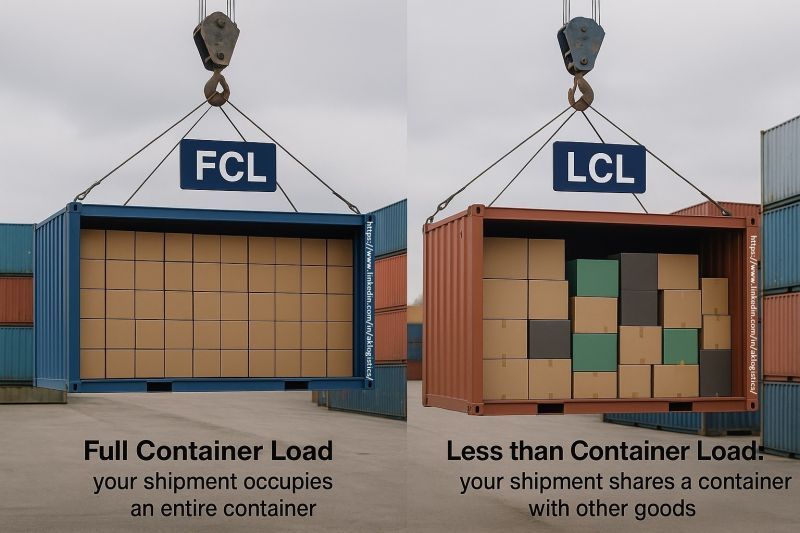
Direct Shipping Lines: Ideal for large companies with regular FCL shipments.
Freight Forwarders: Better for SMEs, consolidating LCL cargo and offering flexible solutions.
10. Pros and Cons of Relying on Shipping Lines in China
Pros
Cons
Global connectivity
Peak season delays
Competitive pricing
Rising fuel surcharges
Strong infrastructure
Port congestion risks
Multiple options
Complex paperwork
Final Thoughts
In conclusion, shipping lines in China play a vital role in connecting global markets, offering cost-effective solutions for businesses of all sizes. Whether shipping via COSCO, Maersk, or other carriers, importers can benefit from China’s advanced port infrastructure and strong supply chain network. By working with experienced freight forwarders, companies can save money, reduce delays, and streamline logistics operations effectively.