

For toy importers, the most reliable and cost-efficient method is toys sea freight China to USA. However, shipping toys internationally involves complex customs regulations, varying costs, and strict safety compliance. Many importers face delays or penalties due to missing documents or poorly managed logistics. By understanding every step—from packaging to customs clearance—you can ensure faster, smoother, and more profitable shipments.

What Makes Sea Freight the Best Option for Toys?
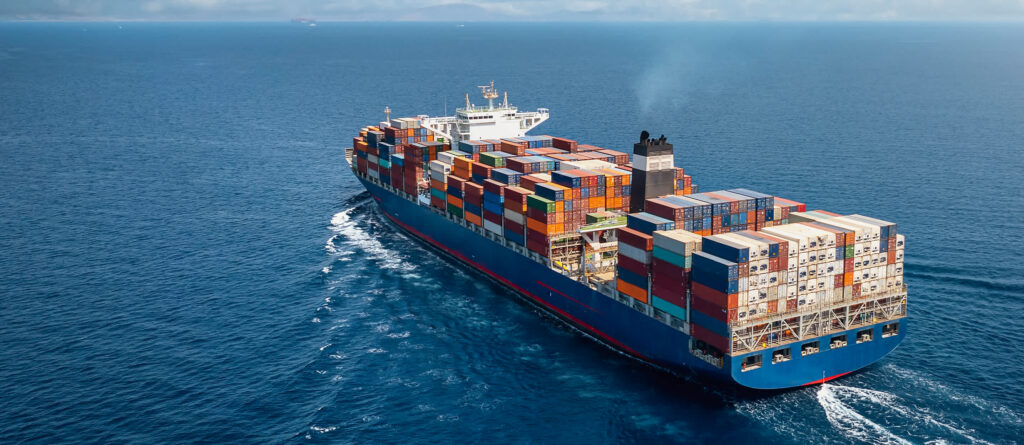
Toys are often shipped in bulk, and sea freight provides the lowest per-unit cost. Compared to air freight, which is faster but more expensive, ocean shipping offers the best value for large-volume toy imports. Moreover, shipping containers protect toys from damage and allow efficient consolidation.
How Much Does Toys Sea Freight from China to USA Cost?
Costs depend on container size, port of origin, destination, and seasonal demand. In general, importers pay a base freight rate plus surcharges like fuel adjustment and terminal handling fees.
| Service Type | Avg. Transit Time | Estimated Cost (China–USA) | Best For |
|---|---|---|---|
| 20ft FCL Container | 28–35 days | $2,000–$3,000 | Medium toy shipments |
| 40ft FCL Container | 28–35 days | $3,500–$5,000 | Large toy shipments |
| LCL (per CBM) | 30–40 days | $120–$180 per CBM | Small importers under 15 CBM |
| Air Freight | 7–10 days | $6–$12 per kg | Urgent shipments, samples |
How Long Does Sea Freight for Toys Take?
Transit times vary by shipping lane and port congestion. East Coast deliveries typically take longer than West Coast routes.
| Origin Port (China) | Destination (USA) | Avg. Sea Transit Time |
|---|---|---|
| Shanghai | Los Angeles | 15–20 days |
| Ningbo | New York | 30–35 days |
| Shenzhen | Houston | 25–30 days |
| Qingdao | Seattle | 20–25 days |
What are you waiting for?
Contact chinatopfreight for a fast, free quote.
Are you ready to book?
Access live instant freight quotes
What Customs Documents Are Required to Import Toys into the USA?
Toy shipments are highly regulated because of child safety laws. Missing documents can result in customs holds.
| Document | Purpose |
|---|---|
| Commercial Invoice | Declares toy details, price, and seller information |
| Packing List | Lists cartons, weights, and volumes |
| Bill of Lading | Confirms ocean transport contract |
| Certificate of Origin | For customs duties assessment |
| HS Codes (9503) | Classifies toys for duty calculation |
| CPSIA Compliance Certificate | Ensures compliance with US child safety regulations |
Why Is CPSIA Compliance Critical for Toy Imports?
The Consumer Product Safety Improvement Act (CPSIA) requires testing and certification for toys. Without compliance certificates, shipments can be refused entry into the US market. Importers must ensure their suppliers provide safety reports, lead content testing, and labeling compliance before shipping.
Should You Choose FCL or LCL for Toys?
- FCL (Full Container Load): More secure, cost-effective for bulk imports, faster loading and unloading.
- LCL (Less than Container Load): Flexible for smaller orders but involves cargo consolidation delays and more handling risks.
| Feature | FCL Shipping | LCL Shipping |
|---|---|---|
| Cost | Cheaper per unit for large loads | Higher per CBM for small loads |
| Risk | Low, container sealed | Higher due to multiple shippers |
| Flexibility | Large orders only | Suitable for smaller importers |
| Transit Speed | Faster, direct | Slower, requires consolidation |
What Import Duties and Taxes Apply to Toys?
Toy duty rates vary depending on the toy type. Most toy imports fall under HS Code 9503, with US duty rates typically between 0–5%, plus other applicable customs fees.
Can Toys Be Shipped Door-to-Door from China to USA?
Yes, many freight forwarders provide door-to-door sea freight services. This service covers supplier pickup, export customs clearance, international shipping, US customs clearance, and final delivery to warehouses or retail outlets. While more costly, it simplifies logistics for importers unfamiliar with the process.
What Are the Pros and Cons of Sea vs Air vs Rail Freight for Toys?
| Mode | Pros | Cons |
|---|---|---|
| Sea Freight | Cheapest for high-volume toy imports | Long transit times, port congestion |
| Air Freight | Fast, reliable for urgent orders | Very expensive for bulk shipments |
| Rail Freight | Mid-speed, eco-friendly for inland USA | Limited coverage, requires trucking |
How Can Importers Optimize Costs for Toys Sea Freight?
- Ship during off-peak seasons (avoid pre-Christmas and Chinese New Year).
- Consolidate orders to fill containers fully.
- Work with freight forwarders offering contract rates with shipping lines.
- Compare ports—sometimes routing through Los Angeles is cheaper than New York.
What Common Challenges Do Toy Importers Face?
- Delays at customs due to missing CPSIA certificates.
- Port congestion at major US gateways like Los Angeles.
- Seasonal surcharges from carriers.
- Incorrect HS codes leading to miscalculated duties.
Conclusion
Shipping toys in bulk is most cost-efficient with toys sea freight China to USA. Although slower than air freight, it offers unbeatable value for large shipments. By ensuring compliance with CPSIA regulations, preparing documents properly, and selecting the right container option, importers can achieve reliable and profitable supply chains. Partnering with expert freight forwarders further guarantees smooth customs clearance and timely delivery.
FAQ
Q1: Can I ship used or second-hand toys by sea freight?
Yes, but second-hand toys may face stricter inspections for safety compliance, especially concerning materials, labeling, and hygiene standards.
Q2: Do toys need special packaging for sea freight?
Yes, strong cartons, moisture-proof liners, and pallets following ISPM-15 standards help prevent damage and customs issues.
Q3: How early should I book sea freight for toy imports?
Book at least 3–4 weeks before departure, especially during peak seasons, to secure space and avoid higher freight rates.
Q4: What role does the HS Code play in toy shipping?
HS Codes determine customs duties, VAT, and classification. Using the wrong code can cause fines, revaluation, or shipment delays.
Q5: Are there restricted toys that cannot be imported?
Yes, toys with high lead content, unsafe small parts, or banned chemicals may be restricted under CPSIA and other US regulations.