

Efficient logistics between Asia and Europe is crucial for modern businesses. When it comes to train cargo China to Italy, companies now enjoy a faster, greener, and more affordable alternative to sea and air freight. Rail freight combines speed, reliability, and sustainability—making it an ideal option for importers seeking stable transit schedules and reduced carbon emissions.

1. Why Choose Train Cargo from China to Italy?
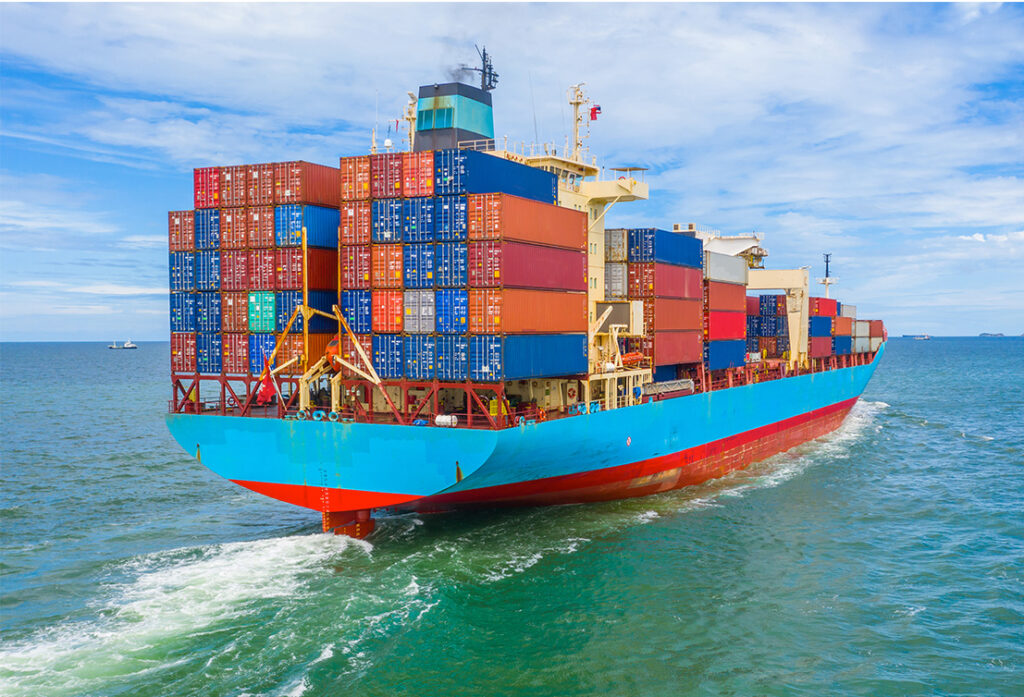
Rail freight offers the perfect middle ground between cost and time. It’s significantly faster than sea shipping but far cheaper than air transport. Moreover, China–Europe railway networks like Yiwu–Milan and Chengdu–Bologna now provide regular schedules, ensuring smooth delivery for electronics, textiles, machinery, and consumer goods.
| Shipping Method | Transit Time | Average Cost (per CBM) | Best For |
|---|---|---|---|
| Air Freight | 5–7 days | $8–$12 | Urgent, high-value cargo |
| Rail Freight | 15–20 days | $3–$6 | General commercial goods |
| Sea Freight | 35–45 days | $1–$2 | Bulk and low-value cargo |
2. How Long Does Train Cargo from China to Italy Take?
The typical train cargo transit time from China to Italy ranges from 15 to 20 days, depending on departure and arrival cities. Key terminals such as Chongqing, Xi’an, Yiwu, and Zhengzhou connect directly to Milan, Verona, and Bologna.
Additionally, customs procedures and weather can slightly affect timing, but compared to sea freight, train transport is remarkably consistent.
3. What Are the Main Routes for China–Italy Rail Freight?
Multiple train routes connect China’s inland industrial hubs to Italy’s major logistics centers:
| Departure City (China) | Arrival City (Italy) | Approx. Transit Time | Frequency |
|---|---|---|---|
| Yiwu | Milan | 17 days | 2–3 times/week |
| Chengdu | Bologna | 18 days | Weekly |
| Xi’an | Verona | 16 days | 2 times/week |
| Chongqing | Milan | 19 days | Weekly |
These routes form part of the China–Europe Railway Express, a crucial element in the Belt and Road Initiative, ensuring stable logistics channels for European importers.
4. What Types of Goods Are Suitable for Train Cargo to Italy?
Train cargo is ideal for medium-value, time-sensitive goods. Common commodities include:
- Electronics and components
- Textiles and apparel
- Home appliances and furniture
- Auto parts and machinery
- Medical supplies and pharmaceuticals
- E-commerce parcels
Moreover, refrigerated containers (reefer containers) are available for temperature-sensitive goods like food and chemicals, expanding flexibility for diverse industries.
5. How Does Train Cargo Compare with Air and Sea Freight?
The following table summarizes key differences:
| Aspect | Rail Freight | Air Freight | Sea Freight |
|---|---|---|---|
| Cost | Moderate | High | Low |
| Speed | 15–20 days | 5–7 days | 35–45 days |
| Reliability | Very High | High | Medium |
| CO₂ Emissions | Low | Very High | Moderate |
| Customs Handling | Efficient | Simplified | Complex |
| Tracking | Real-time | Real-time | Limited |
Therefore, train cargo from China to Italy delivers excellent balance—especially for businesses seeking predictable schedules without overpaying for air freight.
6. What Are the Shipping Costs for Train Cargo to Italy?
Pricing varies by weight, size, and service type (FCL or LCL). On average:
| Cargo Type | Approx. Cost (USD/CBM) | Estimated Transit Time |
|---|---|---|
| LCL (Less than Container Load) | $3 – $6 | 18–22 days |
| FCL (Full Container Load, 40ft) | $5,000 – $7,000 | 16–20 days |
However, additional factors such as customs duties, insurance, and pick-up/delivery fees may affect the total cost. Working with a trusted freight forwarder ensures transparent pricing and optimized logistics planning.
Are you ready to book?
Access live instant freight quotes
7. How Are Customs and Documentation Managed?
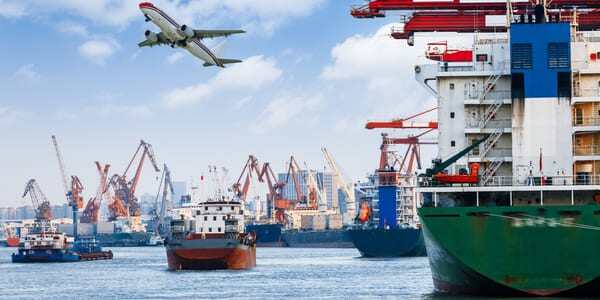
Customs clearance is streamlined under Sino-European trade agreements. However, accurate documentation remains essential. Below is a checklist:
| Required Documents | Purpose |
|---|---|
| Commercial Invoice | Declares product value |
| Packing List | Details goods per shipment |
| Bill of Lading / Rail Waybill | Official transport record |
| Certificate of Origin | Confirms manufacturing country |
| Import License (if applicable) | For restricted goods |
| Insurance Certificate | Protects cargo during transit |
Using an experienced logistics partner ensures documents meet EU import standards, preventing delays or penalties.
8. What Are the Benefits of Train Cargo from China to Italy?
- Speed and Reliability: Faster than sea freight, ensuring steady supply chain flow.
- Cost-Effectiveness: Reduces shipping expenses compared to air freight.
- Environmental Sustainability: Cuts CO₂ emissions by up to 75% compared to air shipping.
- Security and Tracking: Real-time GPS tracking ensures visibility throughout the route.
- Flexible Cargo Options: Handles both FCL and LCL shipments, including dangerous or temperature-controlled goods.
9. Can Train Cargo Be Delivered Door to Door in Italy?
Yes. Many forwarders, including ChinaTopFreight, offer door-to-door train cargo services from Chinese factories to final Italian destinations.
This includes pickup, customs clearance, railway transport, destination handling, and last-mile delivery—ensuring seamless logistics under one contract.
10. How to Choose the Right Train Cargo Provider?
When selecting a rail freight partner for shipments from China to Italy, consider:
- Proven experience in China–Europe logistics
- Local support in both China and Italy
- Transparent pricing and transit time guarantees
- Integrated services: pickup, customs, insurance, and delivery
- Positive client feedback and real-time tracking systems
A reliable provider helps optimize costs and eliminates border-related risks.
Conclusion
Choosing train cargo China to Italy is a strategic move for businesses balancing cost, speed, and sustainability. It bridges the gap between sea and air freight—offering stable schedules, reduced carbon emissions, and dependable delivery times.
Partnering with a professional forwarder like ChinaTopFreight ensures smooth customs clearance, real-time tracking, and optimized shipping solutions for your supply chain.
FAQ
1. What is the average transit time for train cargo from China to Italy?
It usually takes around 15–20 days, depending on the departure and arrival terminals and customs processing times.
2. Can I ship small parcels via train freight from China to Italy?
Yes, LCL services allow small shipments. Freight forwarders consolidate goods to reduce costs and improve efficiency.
3. Is train cargo environmentally friendly?
Absolutely. Rail freight emits up to 75% less CO₂ compared to air freight, supporting sustainable logistics initiatives.
4. How are customs duties calculated for goods shipped to Italy?
Duties depend on product type, declared value, and HS code classification as per EU import regulations.
5. Can dangerous goods be shipped by rail from China to Italy?
Yes, certain hazardous materials are allowed with appropriate packaging, labeling, and international transport certification.