

Choosing train cargo China to Netherlands has become one of the most strategic logistics solutions for importers seeking a faster alternative to sea freight and a more affordable one compared to air. Moreover, the China–Europe Railway provides predictable transit times, stable schedules, and direct access to major Dutch hubs like Rotterdam, Tilburg, and Venlo. This guide explains shipping methods, transit times, customs steps, documentation, cost structures, and best practices to optimize your EU supply chain.
1. What Makes Train Cargo China to Netherlands a Strong Logistics Choice?
Rail freight offers a balanced combination of price and speed. While sea freight is cheaper and air is faster, rail consistently sits in the optimal middle. Additionally, it is less affected by weather disruptions, fuel price spikes, and global shipping congestion.
Key Benefits
- Faster than sea freight
- Cheaper than air freight
- Stable, predictable schedules
- Customs pre-clearance options
- Smooth EU distribution via the Netherlands
- Lower carbon emissions
Furthermore, rail freight reduces port-handling delays that often slow down sea imports.
2. How Does the China–Netherlands Rail Route Operate?
The most common routes start from major Chinese rail hubs such as Chongqing, Chengdu, Xi’an, Wuhan, Zhengzhou, and Shenzhen, then travel through Kazakhstan, Russia, Belarus, Poland, and finally into the Netherlands.
Main Dutch Rail Hubs
- Rotterdam – Europe’s largest port and intermodal gateway
- Tilburg – Frequent China–Europe block train arrivals
- Venlo – Major inland logistics center for EU distribution
- Amsterdam (via connection) – Ideal for retail and e-commerce
Additionally, the Netherlands’ advanced warehousing sector supports rapid final-mile delivery across the EU.
3. What Are the Shipping Costs for Train Cargo China to Netherlands?
Rail freight cost depends on the service type, volume, weight, origin, and destination. However, importers typically benefit from stable pricing compared to air or peak-season sea surcharges.
Typical Rail Freight Cost Breakdown
| Cost Category | Estimated Range | Notes |
|---|---|---|
| Rail Freight Rate | $3–$6/kg | Depends on route & season |
| LCL Rail Freight | $180–$300/CBM | For small shipments |
| Handling Fees | €50–€150 | Warehouse & terminal fees |
| Customs Clearance | €50–€120 | Broker or forwarder cost |
| Import Duties | 0–12% | Based on HS code |
| VAT (Netherlands) | 21% | Calculated on CIF + duty |
| Final Delivery | €60–€250 | Based on EU destination |
Moreover, using a bonded warehouse can help defer VAT payments.
What are you waiting for?
Contact chinatopfreight for a fast, free quote.
Are you ready to book?
Access live instant freight quotes
4. What Is the Transit Time for Train Cargo China to Netherlands?
Rail freight offers a consistent transit time faster than sea and only slightly slower than air. Therefore, it is ideal for mid-urgent shipments such as electronics, apparel, tools, machinery, and general merchandise.
Transit Time Comparison Table
| Origin (China) | Destination (Netherlands) | Rail Transit Time | Sea Time | Air Time | Express Time |
|---|---|---|---|---|---|
| Xi’an | Rotterdam | 15–18 days | 30–38 days | 5–9 days | 3–6 days |
| Chongqing | Tilburg | 15–20 days | 32–40 days | 5–9 days | 3–6 days |
| Chengdu | Venlo | 16–22 days | 30–40 days | 5–10 days | 3–7 days |
| Wuhan | Rotterdam | 18–23 days | 31–45 days | 6–10 days | 3–6 days |
| Zhengzhou | Tilburg | 18–24 days | 32–48 days | 6–10 days | 3–7 days |
Additionally, customs inspection in the Netherlands is often faster than other EU entry points.
5. What Documents Are Required for Train Cargo China to Netherlands?
Proper documentation ensures accurate duty assessment and quick customs release. Missing or inaccurate paperwork remains one of the most common causes of delays.
Customs Documents Checklist
| Document | Purpose | Required For |
|---|---|---|
| Commercial Invoice | Declares value & buyer info | All shipments |
| Packing List | Quantity, weight, dimensions | All shipments |
| Rail Waybill | Proof of transport | Rail shipments |
| Certificate of Origin | Determines duty | Preferential tariffs |
| HS Codes | Duty calculation | All imports |
| CE/RoHS Certificates | EU product compliance | Electronics, toys |
| MSDS | Safety data | Batteries & hazardous goods |
| Import License (if applicable) | Compliance | Controlled goods |
Moreover, ensuring accurate HS code classification prevents additional checks or penalties.
6. How Does Dutch Customs Clearance Work for Rail Imports?
Because the Netherlands is a major logistics hub, customs procedures are optimized for faster clearance and smooth EU entry.
Clearance Steps
- Submit electronic import declaration
- Validate EORI number
- Customs reviews HS codes and declared values
- Duties and VAT calculated
- Inspection (if selected)
- Release into free circulation
- Delivery to warehouse or EU distribution center
Furthermore, importers can use fiscal representation to defer VAT payments.
7. What Types of Goods Are Ideal for Train Cargo from China to the Netherlands?
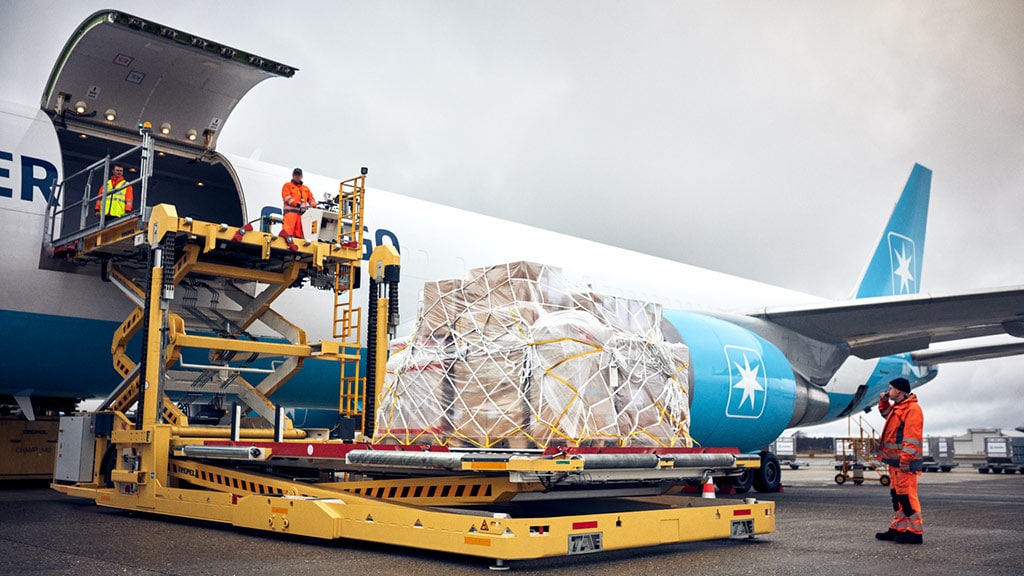
Rail is suitable for a wide variety of products due to its balance of speed and cost.
Best-Suited Products
- Electronics and accessories
- Textiles and apparel
- Home goods and décor
- Auto parts
- Machinery and tools
- E-commerce goods
- Consumer retail items
Additionally, goods needing faster replenishment than sea freight can benefit greatly from rail transport.
8. What Are the Pros and Cons of Train Cargo China to Netherlands?
Advantages & Disadvantages
| Mode | Pros | Cons |
|---|---|---|
| Rail Freight | Faster than sea, lower cost than air, eco-friendly | Limited route flexibility |
| Sea Freight | Cheapest option | Longest transit time |
| Air Freight | Fastest | Highest cost |
| Express | Door-to-door, fast | Not suitable for large cargo |
Moreover, rail freight offers predictable schedules, which is essential for consistent supply chains.
9. How Do Rail Freight Costs Compare to Sea and Air Freight?
Although cost varies by size and season, the following table provides a useful estimate for planning logistics budgets.
Shipping Method Comparison
| Shipping Method | Average Cost | Transit Time | Best For | Pros | Cons |
|---|---|---|---|---|---|
| Rail Freight | $3–$6/kg | 15–22 days | Mid-urgent cargo | Balanced cost & speed | Limited capacity |
| Sea LCL | $40–$110/CBM | 30–45 days | Small loads | Highly affordable | Slow |
| Sea FCL | $1,900–$3,200 | 28–40 days | Bulk cargo | Lowest cost/unit | Long transit |
| Air Freight | $4–$8/kg | 5–9 days | Urgent cargo | Fast | Expensive |
| Express | $6–$14/kg | 3–6 days | Small urgent goods | Fastest | Very costly |
Additionally, rail freight is less volatile in pricing during peak seasons.
10. How Can Importers Reduce Rail Freight Costs?
Several strategies can help minimize expenses and avoid unnecessary charges.
Cost-Saving Tips
- Ship during non-peak seasons
- Consolidate cargo for LCL rail shipments
- Optimize packaging to reduce volumetric weight
- Use bonded warehouses
- Ensure compliance to avoid inspection fees
- Pre-clear documentation before arrival
- Choose nearby Dutch hubs to reduce trucking distance
Moreover, forecasting inventory helps avoid last-minute air shipments.
Conclusion
Importing via train cargo China to Netherlands offers a powerful combination of speed, affordability, and reliability. Moreover, with predictable transit times, stable schedules, and efficient Dutch customs processing, rail freight is ideal for e-commerce, retail, manufacturing, and general cargo. By choosing the right freight partner, preparing accurate documentation, and optimizing shipping plans, businesses can reduce costs and improve supply chain performance.
FAQ
1. How long does rail freight take from China to the Netherlands?
Rail freight usually takes 15–22 days depending on the origin city, rail network capacity, and customs processing at entry points like Rotterdam or Tilburg.
2. Is train cargo cheaper than air freight?
Yes. Rail freight costs significantly less than air while offering faster transit times than sea, making it an ideal mid-cost logistics solution.
3. Do rail shipments require the same documents as sea freight?
Mostly yes. You need commercial invoices, packing lists, HS codes, and compliance certificates. However, a rail waybill replaces a bill of lading.
4. Can rail cargo be delivered to Amazon FBA centers in Europe?
Absolutely. After clearing customs in the Netherlands, goods can be distributed to FBA warehouses across the EU without additional customs steps.
5. Are hazardous materials allowed on China–Europe rail lines?
Some hazardous items are allowed with proper MSDS documents and packaging, but restrictions apply. Always verify with your forwarder.