

Train Freight from China to Europe: Your Ultimate Guide
Businesses constantly seek efficient, cost-effective ways to transport goods across continents. Navigating international logistics, especially for train freight from China to Europe, can be complex. This guide offers essential insights into optimizing your supply chain and ensuring timely delivery with China Top Freight.

Why Choose Train Freight to Europe?
Train freight strikes a compelling balance between speed and cost. It significantly cuts transit times compared to sea freight. Moreover, it offers a more economical alternative to air freight for bulkier goods.
This method also boasts greater environmental sustainability. It reduces carbon emissions, supporting green supply chain initiatives. Furthermore, robust rail links enhance delivery schedule reliability.
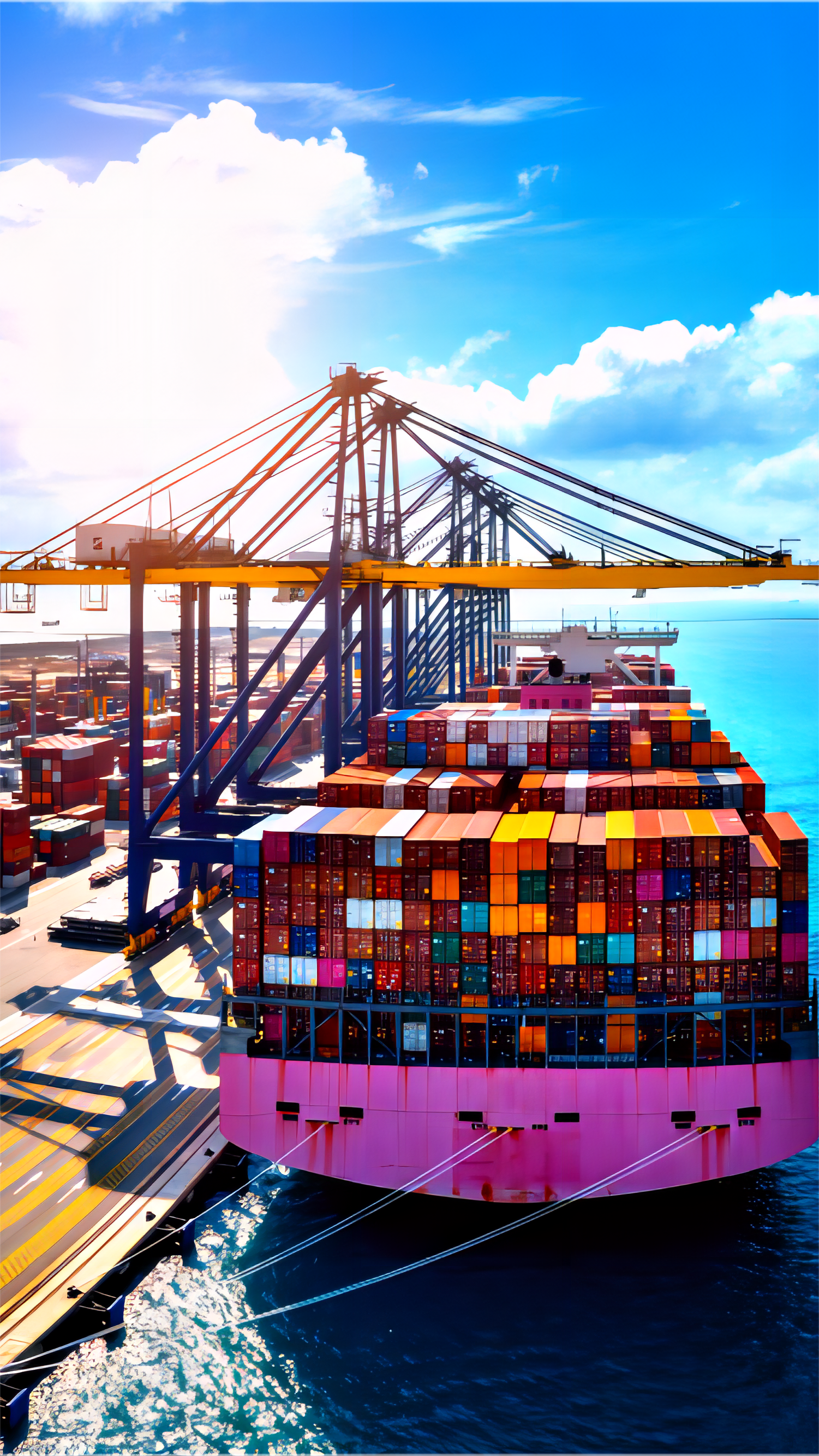
Key Rail Routes and Transit Times
Primary rail routes connect China and Europe, forming the New Silk Road. These routes typically pass through Central Asia and Eastern Europe. Major hubs include cities like Xi’an and Hamburg.
Transit times for rail freight from China to Europe range from 15 to 22 days. This duration depends on specific origin and destination cities and customs efficiency. For example, a Chengdu to Lodz shipment might be quicker than one to London.
| Route Example | Origin | Destination | Transit (Days) |
|---|---|---|---|
| Chongqing to Duisburg | Chongqing | Duisburg, DE | 16-18 |
| Xi’an to Hamburg | Xi’an | Hamburg, DE | 18-20 |
| Zhengzhou to Warsaw | Zhengzhou | Warsaw, PL | 14-16 |
What are the Costs for Train Freight?
Shipping costs for train freight from China to Europe include the base freight rate, terminal charges, and customs duties. Cargo volume, weight, and specific route significantly influence the final price.
Rail freight is generally 30-50% cheaper than air freight. It is 20-30% more expensive than sea freight. Always obtain a detailed quote for your specific cargo handling needs.
Case Study: Electronics Shipment
This case highlights rail efficiency for mid-value, time-sensitive goods. It demonstrates a practical application of train freight from China to Europe.
| Field | Details |
|---|---|
| Route | Shenzhen, CN -> Hamburg, DE |
| Cargo | Electronics, 25 CBM, 8,000 kg |
| Container | LCL 25 CBM |
| Carrier/Service | Major rail operator |
| Rail Freight | $6,800 |
| Origin Charges | $450 |
| Destination Charges | $550 |
| Customs & Duties (estimated) | $1,200 |
| Total Landed Cost | $9,000 |
| Booking to Loading | 5 days |
| Rail Transit | 18 days |
| Customs Clearance | 3 days |
| Total Door-to-Door | 26 days |
| Key Insight | Achieved significant cost savings over air freight with acceptable transit time. |
Rail Freight vs. Other Shipping Options
Evaluating all viable shipping methods is crucial for your import/export strategy. Each option presents unique advantages and limitations in cost, speed, and cargo suitability.
Sea freight is most economical for heavy, non-urgent cargo but is slower. Air freight offers unparalleled speed at a higher premium. Rail freight serves as a strong middle-ground solution.
| Method | Cost Range | Transit Time | Best For | Limitations |
|---|---|---|---|---|
| Sea FCL | $0.05-0.10/kg | 30-45 days | Large volumes, non-urgent | Slow, congestion |
| Rail Freight | $0.25-0.50/kg | 15-22 days | Mid-volume, time-sensitive | Route flexibility |
| Air Freight | $4.00-8.00/kg | 3-7 days | Urgent, high-value | High cost, restrictions |
Alternative Strategies
Consider hybrid solutions like sea-rail combinations. This involves shipping by sea to a European port, then transferring to rail for inland distribution. It reduces overall transit time.
Combining express services with rail for final delivery also improves the delivery schedule. Door-to-door shipping simplifies logistics by handling all legs.

Navigating Customs and Documentation
Successful customs brokerage is paramount for smooth operations. Ensure all documentation is accurate to avoid delays. Key documents include commercial invoice, packing list, and rail waybill.
Understanding EU import regulations and specific country requirements is vital. Proper commodity classification (HS codes) determines correct duties. An experienced freight forwarder can streamline this complex process.
Which Option Should You Choose?
Choosing the optimal shipping method depends on your business priorities: budget, urgency, cargo type, and volume. A tailored approach yields the best supply chain results.
For **budget priority** and sufficient time, consider sea-rail. For **speed priority** with mid-value goods, direct rail freight is compelling. **Cargo type** also influences selection.
Case Study: Apparel Bulk Order
This case highlights how rail freight manages large, seasonal apparel orders effectively. It showcases reliable delivery for consumer goods.
| Field | Details |
|---|---|
| Route | Yiwu, CN -> Warsaw, PL |
| Cargo | Apparel, 40 CBM, 12,000 kg |
| Container | 40HQ |
| Carrier/Service | CR Express |
| Rail Freight | $3,800 |
| Origin Charges | $500 |
| Destination Charges | $600 |
| Customs & Duties (estimated) | $1,500 |
| Total Landed Cost | $6,400 |
| Booking to Loading | 4 days |
| Rail Transit | 15 days |
| Customs Clearance | 2 days |
| Total Door-to-Door | 21 days |
| Key Insight | Met seasonal delivery deadlines at a competitive cost. |

Current Market Conditions
As of early 2025, freight rates for train freight from China to Europe have stabilized. This follows volatility from global events and supply chain disruptions. Red Sea re-routing issues notably boosted rail demand in 2024.
Industry trends show continued rail infrastructure investment, promising enhanced capacity. Seasonal patterns still affect pricing, with rates increasing 15-25% during August-October peak season.
Disclaimer: Freight rates are subject to change based on fuel costs, carrier capacity, and seasonal demand. Contact us for a current quote tailored to your specific shipment.
Maximizing Your Train Freight from China to Europe Strategy
Ultimately, train freight from China to Europe offers a robust and vital solution for cross-continental shipping. It effectively bridges the gap between sea freight’s slowness and air freight’s high cost.
By understanding transit times, costs, and documentation, businesses can leverage rail transport. Partnering with an experienced freight forwarder ensures a smooth and efficient logistics experience.
Need a tailored shipping solution?
Ready to streamline your logistics and ensure reliable delivery of your goods? Contact us today to discuss your specific requirements for train freight from China to Europe and receive a personalized quote. Our experts are here to help you navigate international shipping with ease.