

- By kelly
- September 10, 2025
- Tips or Guide, Transport
Train Freight from China to UK: The Complete Guide for 2025
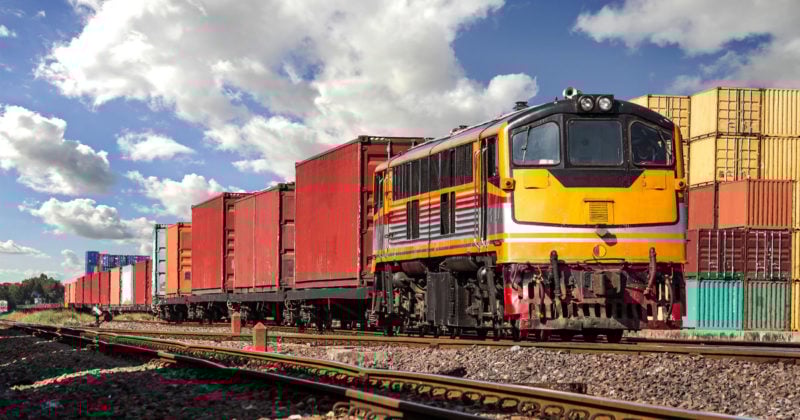
If you are looking for a faster and greener alternative to sea freight yet more affordable than air cargo, train freight from China to UK is the ideal solution. Rail freight offers reliable transit times, competitive rates, and increasing popularity for businesses that want balance between speed and cost. This guide explores costs, transit times, customs clearance, and how rail compares with sea and air freight.
1. What Is Train Freight from China to UK?
Train freight, also called China–Europe Rail Express, connects China and Europe through the Belt and Road rail corridors. Goods travel from Chinese hubs such as Chongqing, Xi’an, Wuhan, and Zhengzhou to European terminals including London, Duisburg, and Hamburg, before reaching the UK.
This mode has grown significantly as it bridges the gap between slow sea freight and expensive air freight, making it a preferred option for importers handling medium-sized shipments.
2. How Much Does Train Freight from China to UK Cost?
Rail freight costs are typically lower than air but higher than sea. Rates vary depending on volume, season, and type of cargo.
| Cargo Type | Average Cost (per CBM / kg) | Notes |
|---|---|---|
| LCL (Less than Container Load) | $250 – $350 per CBM | Ideal for small shipments |
| FCL (20ft container) | $6,500 – $7,500 | Best for medium-volume cargo |
| FCL (40ft container) | $10,500 – $12,500 | Economical per-unit cost |
| Air Freight (comparison) | $5 – $7 per kg | Fast but costly |
| Sea Freight (comparison) | $1,200 – $2,000 per 20ft container | Cheapest, slowest |
Therefore, for businesses seeking balanced costs and lead times, rail freight is often the most strategic choice.
3. How Long Does Train Freight from China to UK Take?
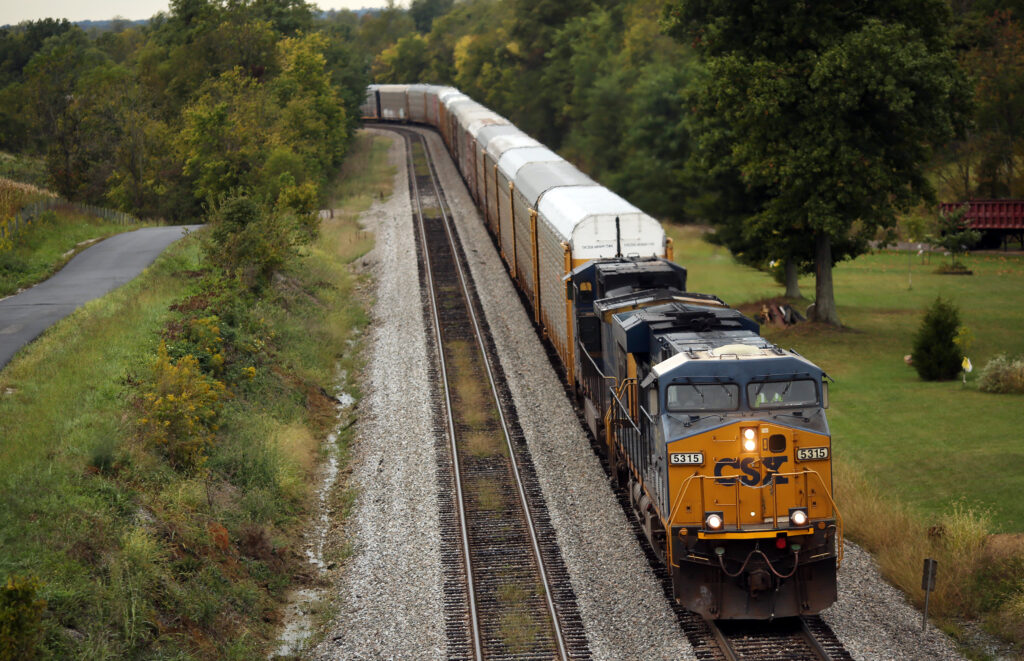
Transit times are significantly shorter than sea freight.
| Route | Average Transit Time |
|---|---|
| Xi’an – London | 18–22 days |
| Chongqing – London | 20–24 days |
| Zhengzhou – London | 21–25 days |
| Sea Freight (comparison) | 30–40 days |
| Air Freight (comparison) | 5–10 days |
Moreover, rail freight offers greater reliability compared to sea freight, which is prone to port congestion and shipping delays.
4. Why Choose Train Freight Instead of Sea or Air?
| Mode | Cost | Speed | Best For | Pros | Cons |
|---|---|---|---|---|---|
| Sea Freight | Lowest | Slowest (30–40 days) | Bulk cargo | Cheapest per unit, global routes | Delays, long transit |
| Air Freight | Highest | Fastest (5–10 days) | Urgent & valuable cargo | Reliable, secure | Expensive |
| Rail Freight | Mid-range | Moderate (18–25 days) | Medium cargo | Balanced cost & time, eco-friendly | Limited capacity |
Therefore, rail is especially suitable for goods like electronics, fashion, machinery, and consumer products.
5. What Goods Are Suitable for Train Freight?
Not all products are ideal for rail shipping. The most common cargo includes:
- Electronics and IT equipment
- Automotive parts
- Industrial machinery
- Textiles and garments
- Household goods and appliances
- Consumer retail products
However, dangerous goods, perishables, and oversized items may face restrictions.
6. What Documents Are Required for Rail Freight to the UK?
Proper documentation is critical to avoid customs delays.
| Document | Purpose |
|---|---|
| Commercial Invoice | Declares value of goods |
| Packing List | Lists contents and weight |
| Rail Waybill | Contract of carriage |
| Certificate of Origin | Confirms manufacturing country |
| Customs Declaration | Required for UK clearance |
| Import Permits (if applicable) | For restricted goods |
Additionally, Brexit-related regulations require accurate HS codes and EORI registration for UK importers.
7. Do You Pay Duties and VAT on Train Freight to the UK?
Yes. Duties and taxes are calculated based on the CIF value (Cost + Insurance + Freight).
- Customs Duties: Vary depending on product HS codes.
- VAT: 20% applied on most goods.
- Other Charges: Terminal handling, customs clearance fees.
Therefore, importers must calculate total landed costs rather than focusing on freight rates alone.
8. Can You Ship Both LCL and FCL via Rail Freight?
Yes, both Less than Container Load (LCL) and Full Container Load (FCL) services are available:
- LCL Rail Freight: Suitable for shipments as small as 1 CBM. Cost-effective for SMEs.
- FCL Rail Freight: Ideal for businesses shipping high volumes that require container security.
9. What Are the Benefits of Train Freight from China to UK?
- Balanced transit times: Faster than sea, cheaper than air.
- Eco-friendly: Lower carbon emissions than air freight.
- Stable schedules: Less impacted by weather or port congestion.
- Intermodal connections: Seamless transfers to trucks for last-mile delivery.
- Reliable tracking: GPS-enabled container tracking.
10. Are There Limitations to Train Freight?
While beneficial, rail freight has some challenges:
- Limited availability of routes to the UK.
- Restricted capacity compared to sea.
- Dangerous or oversized cargo may not be accepted.
- Transit can be affected by border checks in multiple countries.
Therefore, businesses must evaluate whether rail is the right fit based on cargo type and deadlines.
11. How Does Train Freight Compare to Other Options for 2025?
| Shipping Method | Average Cost | Transit Time | Pros | Cons |
|---|---|---|---|---|
| Sea Freight | $1,200 – $2,000 (20ft) | 30–40 days | Cheapest | Very slow |
| Air Freight | $5 – $7 / kg | 5–10 days | Fastest | Most expensive |
| Rail Freight | $6,500 – $7,500 (20ft) | 18–25 days | Balanced, eco-friendly | Limited cargo |
12. Tips to Reduce Rail Freight Costs
- Book space early, especially during peak seasons.
- Consolidate cargo to maximize container use.
- Compare rates from multiple freight forwarders.
- Choose FCL if volume is high enough to fill a container.
- Negotiate long-term contracts for stable pricing.
📦Get a Free Quote
At ChinaTopFreight, we specialize in train freight from China to UK, offering both FCL and LCL options with professional customs clearance support. Contact us today for a tailored quote and ensure your supply chain stays on track.
❓ Frequently Asked Questions
1. How long does train freight from China to UK take?
On average, 18–25 days depending on origin city and customs clearance.
2. Is rail freight cheaper than air cargo?
Yes, rail is usually 40–60% cheaper than air while offering reasonable delivery times.
3. Can small businesses use train freight?
Absolutely. LCL services allow small shipments of just 1 CBM, making rail cost-effective for SMEs.
4. Are customs duties included in rail freight quotes?
No. Duties, VAT, and customs fees are charged separately and must be calculated by the importer.
5. Which goods are not allowed in rail freight?
Dangerous goods, explosives, perishables, and oversized cargo are usually restricted.
Conclusion
In 2025, train freight from China to UK stands as a smart middle-ground between cost and speed. While sea remains the cheapest and air the fastest, rail provides an efficient, reliable, and environmentally friendly option. Businesses that need predictable transit times without overspending will find rail freight an excellent solution. Partnering with an experienced freight forwarder ensures smooth customs clearance and competitive rates.