Transit Time for FCL Shipping from China to Long Beach: 2025 Guide
Navigating the complexities of international logistics requires a precise understanding of delivery schedules and port operations. For businesses importing goods, knowing the exact transit time for FCL shipping from China to Long Beach is essential for maintaining inventory levels and meeting customer demands. At China Top Freight, we specialize in streamlining these transpacific routes to ensure your cargo arrives safely and on schedule. This guide provides a comprehensive breakdown of shipping durations, cost factors, and alternative strategies for your ocean freight needs.
What Is the Average Transit Time for FCL Shipping from China to Long Beach?
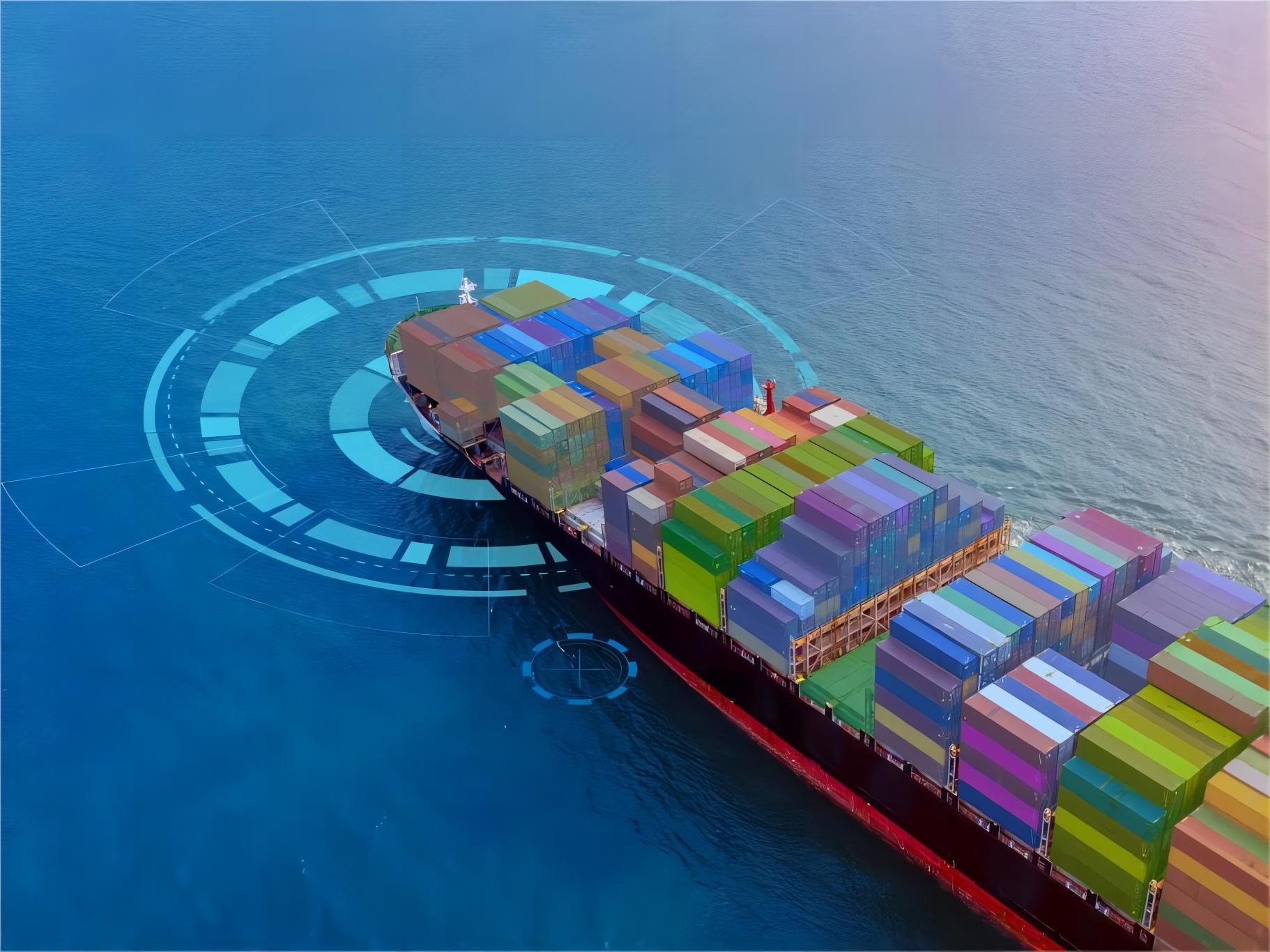
Determining the transit time for FCL shipping from China to Long Beach involves looking at both port-to-port and door-to-door durations. Typically, the ocean voyage itself takes between 14 and 18 days for direct services from major Chinese hubs. However, total transit time often extends to 25 or 30 days when including loading, documentation, and local transport. Selecting sea freight as your primary method offers a balance between cost-efficiency and reliable scheduling.
Moreover, different ports in China offer varying departure frequencies and vessel speeds. Fast boat services from Shanghai or Ningbo can occasionally reach the West Coast in as little as 12 days under optimal conditions. Conversely, shipments departing from northern ports like Tianjin may require additional time due to the longer geographical distance. Consequently, shippers must plan for these variations when coordinating their supply chain activities.
How Do Different Chinese Ports Impact Your Delivery Schedule?
Origin geography plays a significant role in the overall duration of your shipment to North America. Southern ports like Shenzhen and Guangzhou are strategically located for quick departures to the Pacific. Meanwhile, central ports such as Shanghai serve as massive consolidation hubs with the highest frequency of direct sailings. Therefore, your choice of loading port directly influences how quickly your container hits the water.
Additionally, port congestion at the origin can cause unexpected delays during peak seasons. For instance, during the Golden Week holiday or the lead-up to Chinese New Year, berths often become overcrowded. As a result, even the most efficient routes may experience a few days of lag. We recommend booking at least two weeks in advance to secure space on the fastest available vessels.
| Port of Loading | Service Type | Ocean Transit | Total Lead Time |
|---|---|---|---|
| Shanghai | Direct Fast | 12-14 Days | 20-24 Days |
| Ningbo | Standard | 15-17 Days | 23-28 Days |
| Shenzhen | Direct | 14-16 Days | 21-26 Days |
| Qingdao | Standard | 18-20 Days | 26-32 Days |
How Does FCL Compare to Other Shipping Options?
Evaluating the transit time for FCL shipping from China to Long Beach requires a comparison with LCL and air freight. While FCL involves a dedicated container, LCL shipments require time for consolidation and deconsolidation at both ends. Consequently, LCL usually adds 5 to 7 days to the total journey. Furthermore, sea freight is significantly more affordable than air transport for large volumes of goods.
Indeed, choosing between these methods depends on your specific budget and urgency. For urgent cargo, air freight remains the fastest choice despite the higher price tag. However, for most bulk commodities, the cost savings of ocean freight outweigh the speed benefits of air. To ensure smooth processing at the destination, utilizing a professional customs brokerage service is highly recommended.
| Method | Cost Range | Transit Time | Best For |
|---|---|---|---|
| FCL Sea | $2,500 – $4,500 | 15-25 Days | Bulk Goods |
| LCL Sea | $50 – $150/CBM | 22-35 Days | Small Batches |
| Air Freight | $5 – $12/kg | 3-7 Days | Urgent Items |
| Express | $8 – $15/kg | 2-5 Days | Samples |
Which Factors Can Delay Your FCL Shipment?
Several external variables can impact the transit time for FCL shipping from China to Long Beach. Weather conditions in the Pacific, such as typhoons or heavy storms, often force vessels to change course or slow down. Furthermore, labor strikes or equipment shortages at the Port of Long Beach can lead to significant berthing delays. Therefore, shippers should always build a buffer into their expected delivery dates.
In addition, administrative errors in documentation frequently cause holdups at customs. If the commercial invoice or packing list contains inaccuracies, authorities may hold the container for inspection. Consequently, the time saved by a fast vessel can be lost due to paperwork issues. Working with an experienced freight forwarder helps mitigate these risks through proactive document verification.
Real-World Case Studies: China to Long Beach Routes
Case Study 1: High-Volume Electronics from Shanghai. Origin: Shanghai, China. Destination: Long Beach, USA. Cargo: Consumer Electronics, 68 CBM, 12,000 kg. Container: 40HQ. Carrier: Matson (Fast Service). Ocean Transit: 13 days. Customs Clearance: 2 days. Total Door-to-Door: 20 days. Key Insight: Utilizing a premium fast-boat service significantly reduced the lead time for this seasonal product launch.
Case Study 2: Furniture Shipment from Shenzhen. Origin: Shenzhen, China. Destination: Long Beach, USA. Cargo: Home Furniture, 28 CBM, 5,500 kg. Container: 20GP. Carrier: COSCO. Ocean Transit: 16 days. Customs Clearance: 4 days (X-ray inspection). Total Door-to-Door: 26 days. Key Insight: Even with a standard transit time, random customs inspections can add nearly a week to the final delivery schedule.
Note: These examples are based on early 2025 market rates and typical transit patterns. Freight rates are subject to change based on fuel costs, carrier capacity, and seasonal demand. Contact us for a current quote tailored to your specific shipment.
What Is the Best Decision Framework for Choosing a Route?
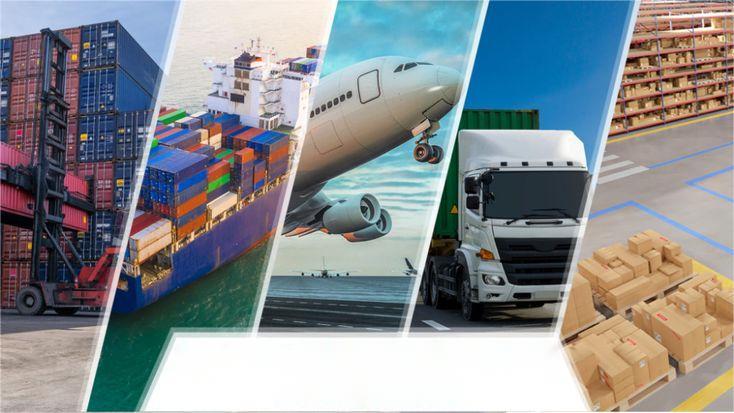
Selecting the right shipping strategy involves balancing speed, cost, and reliability. If your primary goal is cost-saving, standard services from Ningbo or Qingdao offer competitive rates. On the other hand, if you need to minimize the transit time for FCL shipping from China to Long Beach, premium direct services are the superior choice. Additionally, consider a door to door service to simplify the entire logistics chain.
Volume thresholds also play a critical role in your decision. For shipments exceeding 15 CBM, FCL is almost always more economical than LCL. Moreover, FCL reduces the risk of damage since the container is not opened until it reaches your warehouse. Therefore, businesses with consistent cargo volumes should prioritize full container loads to maximize both safety and efficiency.
How to Reduce Costs and Improve Shipping Speed?
Implementing cost-saving strategies does not necessarily mean sacrificing speed. For instance, consolidating multiple smaller orders into a single FCL container can drastically reduce per-unit shipping costs. Furthermore, avoiding peak seasons like the Q4 holiday rush can help you bypass the highest freight rates and longest delays. Consequently, early planning remains the most effective tool for logistics optimization.
Another effective strategy is to negotiate long-term contracts with freight forwarders. This approach provides price stability even when the market fluctuates. Meanwhile, investing in digital tracking tools allows you to monitor your container in real-time. As a result, you can provide accurate updates to your customers and prepare your warehouse team for the exact arrival time.
Which Documentation Is Required for FCL Shipping?
Proper documentation is the backbone of successful international trade. You must provide a Bill of Lading, Commercial Invoice, and Packing List for every shipment. Additionally, certain products may require specific certificates of origin or safety data sheets. Without these documents, your shipment will likely face lengthy delays at the port of entry.
Indeed, the accuracy of your filing is just as important as the speed of the vessel. Modern logistics providers often use electronic data interchange to speed up the submission process. This technology ensures that customs officials receive your information before the ship even docks. Consequently, you can achieve faster clearance and reduce the overall transit time for FCL shipping from China to Long Beach.
Summary of Shipping Timelines to Long Beach
In summary, understanding the transit time for FCL shipping from China to Long Beach is vital for any successful import business. While the ocean voyage typically spans 14 to 18 days, factors like port selection, customs efficiency, and seasonal demand influence the final delivery date. By choosing the right carrier and preparing your documentation in advance, you can significantly reduce lead times and costs.
Ultimately, partnering with a reliable freight forwarder ensures that your cargo is handled with care and precision. Whether you prioritize speed via premium services or cost-efficiency through standard routes, a strategic approach is key. Start planning your next shipment today to take advantage of current market trends and optimized transpacific routes.
Ready to streamline your logistics?
Ready to optimize your supply chain and secure the fastest transit time for FCL shipping from China to Long Beach? Contact our team today for a customized quote and expert logistics advice. Send Inquiry