

- By carlie tj
- August 25, 2025
- Tips or Guide, Transport
Romania’s trade with China is growing steadily, driven by imports of electronics, textiles, furniture, machinery, and consumer products. For importers, choosing the right solution for transport marfa China Romania is not just a logistics decision—it directly impacts costs, supply chain reliability, and customer satisfaction.
This comprehensive guide will walk you through every option for shipping from China to Romania, including sea freight, air freight, rail freight, and multimodal solutions. We’ll compare prices, transit times, customs requirements, and risk management strategies, so you can confidently plan your shipments.
1. Sea Freight Transport Marfa China Romania – FCL vs LCL
FCL (Full Container Load):
- Cost-efficient for large shipments (>18–20 CBM).
- Direct loading reduces handling risks.
- Faster than LCL because no consolidation is required.
LCL (Less than Container Load):
- Perfect for SMEs with smaller cargo.
- Takes 3–5 extra days due to consolidation.
- Slightly higher handling fees.
| Route (China → Romania) | FCL Transit Time | LCL Transit Time | Notes |
|---|---|---|---|
| Shanghai → Constanța | 28–35 days | 32–38 days | Direct via Suez |
| Ningbo → Constanța | 30–36 days | 34–40 days | Popular LCL hub |
2. Transport Marfa China Romania Cost – What Businesses Must
The cost of transport marfa China Romania depends on shipment size, method, and urgency. Generally:
- Sea freight: $2,200–$3,000 per 40ft FCL, cheapest for bulk shipments.
- Rail freight: $6,000–$8,500 per 40ft FCL, mid-range with faster transit.
- Air freight: $7–$12 per kg, fastest but most expensive.
Costs also fluctuate with fuel prices, peak seasons (Chinese New Year, Christmas), and container availability.
3. Average Transit Time Transport Marfa China Romania
Understanding average transit time for transport marfa China Romania is crucial for inventory planning.
- Sea freight: 28–38 days
- Rail freight: 18–26 days
- Air freight: 3–6 days
Delays can occur due to customs inspections, weather, or congestion at Constanța port or Bucharest airports.
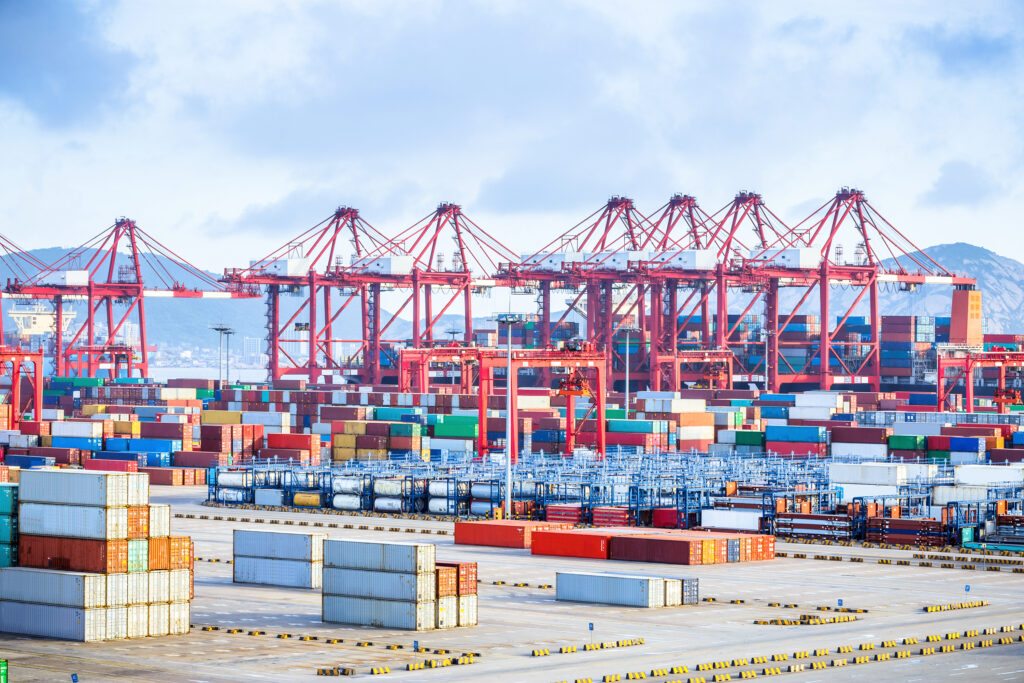
4. Cost & Transit Time Comparison
| Mode | Avg. Cost (40ft) | Avg. Cost (per CBM) | Transit Time | Best For |
|---|---|---|---|---|
| Sea | $2,200–$3,000 | $150–$250 | 28–38 days | Bulk shipments |
| Rail | $6,000–$8,500 | $250–$350 | 18–26 days | Balanced option |
| Air | $7–$12/kg | – | 3–6 days | Urgent cargo |
| Courier | $8–$15/kg | – | 3–7 days | Small parcels |
5. Insurance for Transport Marfa China Romania
6. Technology in Transport Marfa China Romania
Digital tools such as real-time GPS tracking, electronic Bills of Lading, and customs automation reduce delays and give visibility across the supply chain. Companies using these technologies report faster deliveries and better cost control.
7.Choosing the Right Mode
| Cargo Type | Recommended Mode | Why |
|---|---|---|
| Electronics | Air / Rail | Urgent, high value |
| Furniture | Sea | Bulky, non-urgent |
| Apparel | Air / Rail | Seasonal, time-sensitive |
| Machinery | Sea / Rail | Heavy, large volume |
| Small Parcels | Courier | Fastest, simple |

8. Request a Quote
China Top Freight offers:
- ✅ Origin and Destination Countries
- ✅ Cargo Type and Volume
- ✅ Preferred Transport Method (Air, Sea, Rail, Road)
- ✅ Delivery Timeline
- ✅ Special Handling Requirements (if any)
9. FAQ
Q1: How can I prepare cargo to avoid damage during shipping?
Use export-grade packaging, reinforce pallets, and add waterproof protection. These steps reduce risks and speed up handling.
Q2: Do public holidays in China or Europe affect delivery schedules?
Yes, national holidays often slow down logistics. Planning shipments around these dates helps you avoid last-minute delays.
Q3: Is it possible to track shipments in real time?
Most forwarders provide tracking systems. By monitoring status updates, you can adjust warehouse planning and keep customers informed.
Q4: What happens if my goods are selected for customs inspection?
You should provide requested documents immediately. Quick responses shorten inspection times and prevent storage charges.
Q5: Can I combine different transport modes for one orde
Yes, many businesses split urgent items by air and bulk goods by sea or rail. This approach balances cost and timing effectively.