

For companies trading between China and Europe, choosing trusted air freight from Shenzhen to Germany is a strategic move. Businesses that need urgent, secure, and reliable delivery depend on air freight to minimize delays and maximize efficiency. However, selecting the right partner ensures lower risks, smoother customs clearance, and faster supply chain performance.

Why Is Air Freight the Most Trusted Option for China–Germany Shipping?
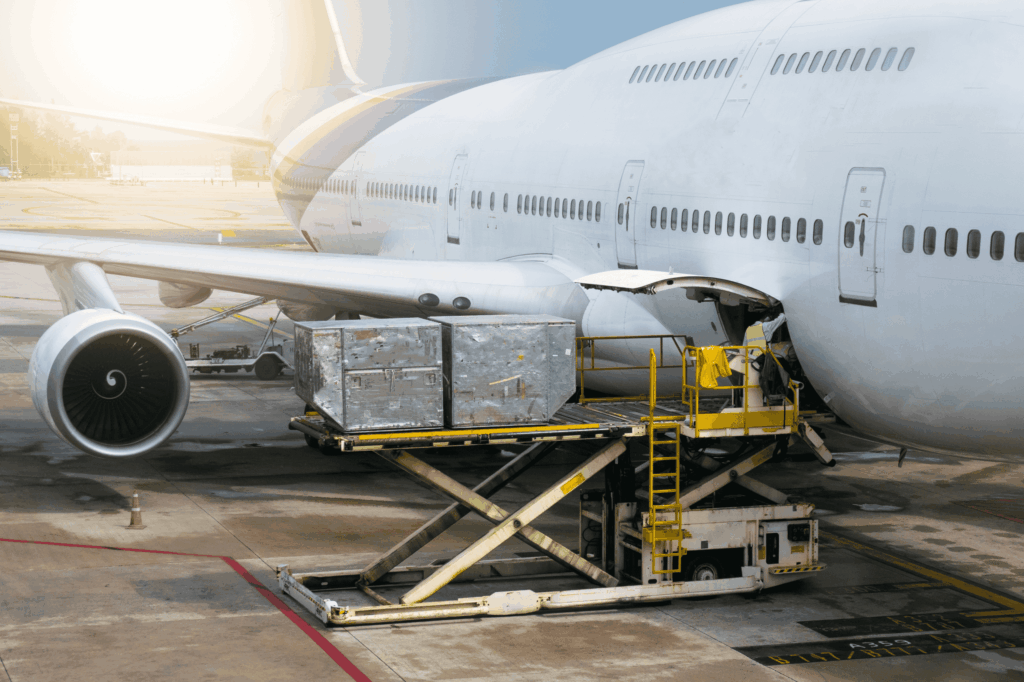
Air freight combines speed, security, and reliability. Compared to sea or rail freight, it drastically reduces transit times and ensures more predictable schedules. Importers choose this method when:
- High-value cargo (electronics, luxury goods, pharmaceuticals) requires security.
- Time-sensitive shipments demand priority handling.
- Consistent supply chain schedules are vital for European distribution.
Moreover, Germany’s strong logistics hubs such as Frankfurt, Munich, and Leipzig make it an ideal destination for direct air shipments.
How Does the Air Freight Process Work from Shenzhen to Germany?
Air freight follows a structured process, ensuring transparency and compliance:
- Booking & Pickup – Freight forwarder arranges collection from the supplier in Shenzhen.
- Export Customs Clearance – Chinese authorities verify documents and cargo.
- Air Transport – Goods fly via direct or connecting flights to Germany.
- Import Customs Clearance – German customs apply VAT, duties, and inspections.
- Final Delivery – Cargo is transported to warehouses, retailers, or Amazon FBA centers.
What Are the Average Transit Times for Air Freight?
| Shipping Method | Transit Time | Suitability |
|---|---|---|
| Express Air (Courier) | 3–6 days | Urgent small parcels |
| Standard Air Freight | 7–10 days | Medium-sized shipments |
| Rail Freight | 20–25 days | Moderate cost, slower than air |
| Sea Freight | 30–40 days | Best for bulk cargo, non-urgent |
Air freight strikes the perfect balance between speed and flexibility.
How Much Does Air Freight from Shenzhen to Germany Cost?
Costs vary depending on weight, dimensions, and service type.
| Weight / Volume | Estimated Cost (USD) | Notes |
|---|---|---|
| 0.5–5 kg | $35–$70 | Small parcels, urgent shipments |
| 5–50 kg | $100–$500 | Electronics, machinery parts |
| 50–200 kg | $500–$1,800 | Mid-size industrial goods |
| 200+ kg | $2,000+ | Larger consignments, may combine with sea freight |
Although more expensive than sea or rail, air freight prevents costly downtime.
What are you waiting for?
Contact chinatopfreight for a fast, free quote.
Are you ready to book?
Access live instant freight quotes
What Documents Are Needed for Air Freight Shipments to Germany?
| Document | Purpose |
|---|---|
| Commercial Invoice | Declares value and ownership |
| Packing List | Cargo details, dimensions, weight |
| Air Waybill (AWB) | Proof of carriage |
| Certificate of Origin | Determines tariff eligibility |
| Import Licenses (if required) | For restricted goods like chemicals or food |
What Are the Advantages of Trusted Air Freight over Other Modes?
| Mode | Pros | Cons |
|---|---|---|
| Air Freight | Fast, secure, reliable schedules | Higher costs |
| Sea Freight | Lowest cost per container | Long transit times |
| Rail Freight | Eco-friendly, moderate cost | Limited by routes and weight |
| Express Courier | Door-to-door, fastest for small parcels | Expensive for heavy shipments |
How Does Customs Clearance Work in Germany for Air Freight?
- VAT & Duties: Germany applies 19% VAT plus EU duties.
- Pre-Clearance: Trusted providers pre-submit documents for faster release.
- Inspections: Random checks ensure compliance with EU regulations.
Therefore, working with a professional customs broker avoids costly delays.
Can Air Freight Support E-Commerce and Amazon FBA?
Yes. Many businesses use air freight for:
- Direct delivery to German Amazon FBA warehouses.
- Fast e-commerce fulfillment for European customers.
- Integrated reverse logistics for returns.
What Industries Benefit Most from Trusted Air Freight?
- Technology & Electronics – Demand fast-to-market solutions.
- Medical Equipment – Require urgent deliveries.
- Fashion & Apparel – Seasonal demands need speed.
- Automotive Parts – Assembly lines depend on fast replacements.
How Do Transit Times Differ by German Destination?
| Destination Airport | Average Transit Time (from Shenzhen) |
|---|---|
| Frankfurt (FRA) | 7–9 days (standard air) |
| Munich (MUC) | 7–10 days |
| Leipzig (LEJ) | 6–9 days |
| Berlin (BER) | 8–10 days |
What Mistakes Should Importers Avoid in Air Freight?
- Declaring inaccurate cargo values.
- Missing HS codes or incorrect tariff classification.
- Ignoring EU import restrictions.
- Not arranging insurance for high-value goods.
Conclusion
Choosing trusted air freight from Shenzhen to Germany ensures speed, reliability, and compliance. While costs are higher than sea or rail, the benefits—predictable delivery, secured cargo, and smooth customs clearance—make air freight indispensable for time-sensitive industries. By partnering with experienced forwarders, businesses gain a competitive advantage in the European market.
FAQ
Q1: Can I ship perishable goods via air freight from Shenzhen to Germany?
Yes, airlines and forwarders offer temperature-controlled cargo solutions, making air freight ideal for food, flowers, or pharmaceuticals requiring cold-chain logistics.
Q2: Do I need insurance for air freight shipments?
Yes, insurance is strongly recommended for high-value cargo. It protects against theft, damage, or delays beyond the carrier’s liability.
Q3: Can air freight handle dangerous goods?
Yes, but only with special certification, packaging, and documentation. IATA regulations govern how hazardous cargo must be shipped internationally.
Q4: Is consolidated air freight cheaper than direct flights?
Yes, consolidating multiple shipments reduces costs, though transit may be slightly longer. It is a smart choice for cost-sensitive cargo.
Q5: Do public holidays affect air freight schedules?
Yes, Chinese New Year and European holidays can slow down processing. Planning shipments ahead helps avoid congestion.