

- By kelly
- November 21, 2025
- Logistics, Tips or Guide
Trusted Customs Clearance from China to France: The Complete 2025 Guide
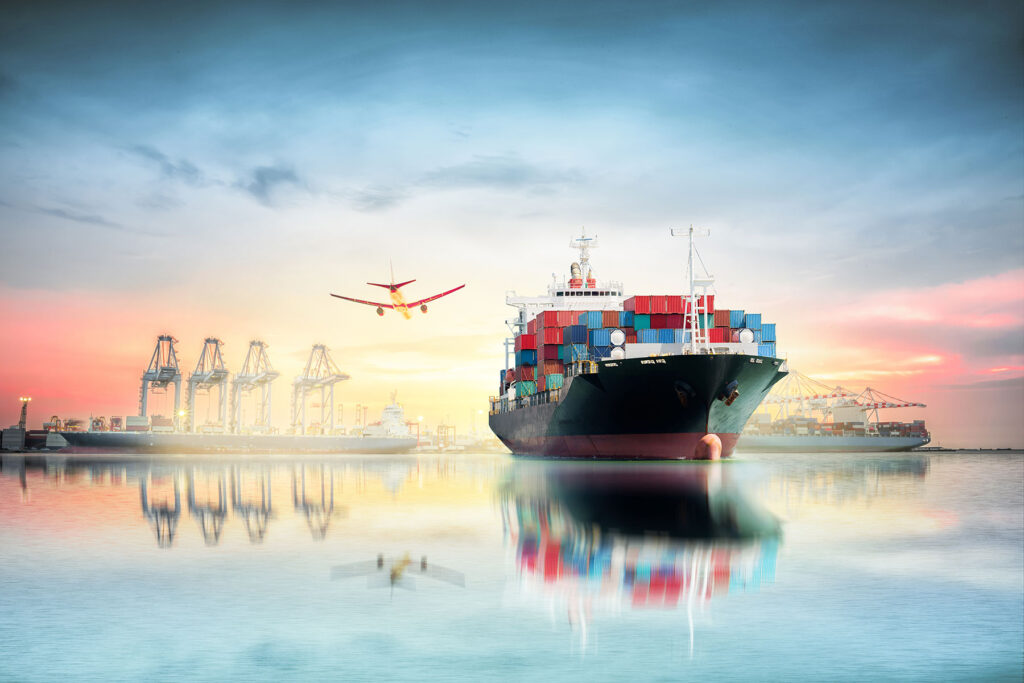
International shipping can be complicated, especially when importing to Europe. However, with trusted customs clearance from China to France, you can avoid delays, minimize costs, and ensure compliance with French and EU regulations. Whether you’re shipping electronics, clothing, machinery, or consumer goods, partnering with a professional freight forwarder guarantees smooth processing and timely delivery.
This comprehensive guide covers everything you need to know—from required documents to the best shipping options—for a seamless customs clearance experience into France.
1. What Is Customs Clearance and Why Does It Matter in France?
Customs clearance is the mandatory process that allows goods to legally enter France. It involves declaring cargo, verifying documentation, calculating duties and taxes, and complying with EU import regulations.
Without trusted clearance:
- Shipments can be delayed
- Incorrect documentation can result in fines
- Goods may be seized or returned
- Supply chain schedules can be disrupted
Therefore, accurate and fast clearance is essential for any successful international shipment to France.
2. What Documents Are Required for Customs Clearance in France?
Submitting the correct documentation is key to avoiding delays and penalties.
Customs Documents Checklist
| Document | Purpose | Prepared By |
|---|---|---|
| Commercial Invoice | Declares value, HS code, Incoterms | Exporter |
| Packing List | Provides item details, dimensions, and weight | Exporter |
| Bill of Lading / AWB | Proof of transportation | Carrier / Freight Forwarder |
| Certificate of Origin | Confirms origin country for tariff calculation | Exporter / Chamber |
| CE Certificate (if needed) | Mandatory for regulated EU goods | Manufacturer / Exporter |
| EORI Number (France) | Required for EU import declarations | French Importer |
| Import License (if needed) | For restricted items (chemicals, food, etc.) | Importer |
Correct, consistent documentation significantly speeds up customs release.
3. What Are the Best Shipping Methods for Fast and Compliant Clearance?
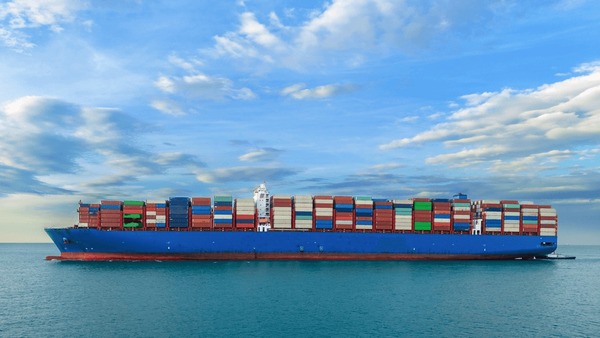
Each shipping method offers different clearance timelines, costs, and complexity.
Shipping Method Comparison
| Mode | Transit Time | Customs Speed | Pros | Cons |
|---|---|---|---|---|
| Air Freight | 5–7 days | 1–2 days | Fast, ideal for urgent cargo | Higher cost for bulk items |
| Sea Freight (FCL) | 25–35 days | 3–5 days | Best for large volumes | Slower, possible congestion |
| Sea Freight (LCL) | 30–40 days | 4–6 days | Cheap for small to medium shipments | Longer clearance due to consolidation |
| Rail Freight | 18–22 days | 2–4 days | Balanced cost and speed | Limited network and frequency |
| Express Courier | 3–5 days | 1 day | Fastest clearance, door-to-door | Highest cost, weight limits |
For speed and reliability, air or express services are optimal. For cost efficiency, sea and rail are better suited for bulk cargo.
4. What Are the Average Customs Costs for Shipping to France?
Understanding cost breakdown helps you prepare your shipping budget and avoid surprises.
Sample Import Cost Breakdown (20ft Container via Sea Freight)
| Cost Item | Estimated Cost (USD) | Details |
|---|---|---|
| Customs Brokerage Fee | $80–$150 | Fee for processing documentation |
| Import Duty (0–12%) | $300–$1,200 | Depends on HS code and product type |
| VAT (France 20%) | $2,000–$2,500 | Applied to CIF + duty |
| Port Handling Charges | $150–$300 | Depends on port of entry |
| Terminal Fees (DTHC) | $200–$400 | For unloading, documentation, local handling |
Accurate document submission helps avoid additional inspection or penalty fees.
5. Which French Ports and Airports Are Best for Customs Clearance?
Choosing efficient entry points can lower costs and improve clearance speed.
Top French Entry Points for Imports from China
| Location | Type | Advantages |
|---|---|---|
| Port of Le Havre | Sea Freight | Major EU entry port, modern logistics hub |
| Port of Marseille | Sea Freight | Good for southern France and Mediterranean routes |
| Paris Charles de Gaulle Airport | Air Freight | High-volume air hub with rapid customs |
| Lyon Saint-Exupéry Airport | Air Freight | Ideal for central and southeastern France |
Each entry point has unique advantages based on cargo type, destination, and transit time.
6. How Can You Ensure Trusted and Compliant Clearance for Special Goods?
Certain product categories require additional certifications, especially for EU imports.
Products Requiring Extra Attention
| Product Type | Requirement |
|---|---|
| Electronics | CE marking, RoHS compliance |
| Toys and Children’s Goods | CE label, EN71 certification |
| Medical Devices | EU safety declaration, packaging compliance |
| Cosmetics | CPNP registration, ingredient declaration |
| Food & Beverages | Health certificates, import licenses |
Partnering with an expert freight forwarder ensures all certifications and documents are prepared in advance.
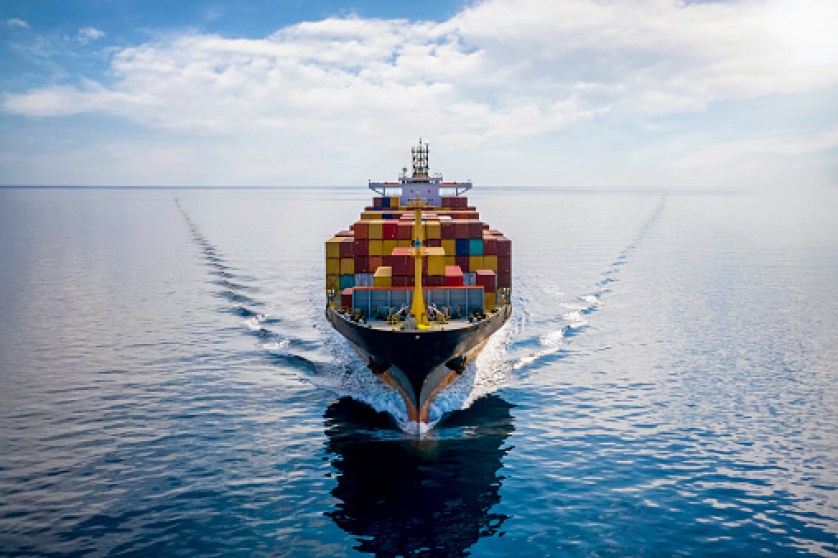
7. What Are the Pros and Cons of Air vs Sea vs Rail Freight for France?
Freight Method Comparison
| Method | Pros | Cons |
|---|---|---|
| Air Freight | Fast, low risk of damage | Expensive, limited for heavy items |
| Sea Freight | Cheapest for large cargo volumes | Slower, port congestion during peak season |
| Rail Freight | Faster than sea, cheaper than air | Fewer routes, may require transloading |
| Express Courier | Fastest, seamless clearance | Very costly for shipments over 50kg |
Selecting the right mode balances urgency, cost, and destination needs.
8. How Do Transit Times Align with Clearance Timelines?
Customs clearance must be coordinated with overall shipping lead time for effective planning.
Estimated Transit + Clearance Timeline
| Shipping Mode | Transit Time | Clearance Time | Total Estimate |
|---|---|---|---|
| Air Freight | 5–7 days | 1–2 days | 6–9 days |
| Sea Freight (FCL) | 25–35 days | 3–5 days | 28–40 days |
| Sea Freight (LCL) | 30–40 days | 4–6 days | 34–46 days |
| Rail Freight | 18–22 days | 2–4 days | 20–26 days |
| Express Courier | 3–5 days | 1 day | 3–6 days |
Always include a buffer of 1–2 days for customs processing delays during peak periods.
9. How Can Freight Forwarders Simplify the Clearance Process?
Professional freight forwarders like ChinaTopFreight offer:
- Pre-clearance document review
- Accurate HS code classification
- EU import regulation guidance
- EORI registration assistance
- Real-time tracking and customs updates
- Door-to-door solutions with bundled services
Their industry expertise and network ensure cargo moves swiftly and compliantly.
📦Get a Free Quote
Trust ChinaTopFreight to manage your trusted customs clearance from China to France with accuracy, speed, and full EU compliance. Contact us today to get a quote or learn how we can help simplify your supply chain.
❓ Frequently Asked Questions
1. What’s the fastest customs clearance method for France?
Air freight or express shipping typically clears within 1–2 business days when documentation is properly submitted.
2. Do I need CE certification for all imports to France?
Not all, but regulated products like electronics, toys, and medical devices must have CE marking to enter the EU.
3. What causes customs delays in France?
Delays are often due to incorrect documents, HS code errors, missing CE marks, or incomplete import licenses.
4. Can freight forwarders handle customs for me?
Yes, professional forwarders manage all documentation, HS classification, and work with customs brokers on your behalf.
5. What is an EORI number and who needs it?
An Economic Operator Registration and Identification number is required for all EU importers and must be registered before shipment.
Conclusion
Achieving trusted customs clearance from China to France requires more than basic documentation—it demands strategic planning, regulatory knowledge, and reliable logistics execution. Whether you’re shipping by sea, air, or rail, working with professionals like ChinaTopFreight ensures your goods move smoothly and compliantly through French customs. Stay on schedule, stay compliant, and stay competitive with trusted support every step of the way.