

- By kelly
- November 3, 2025
- Logistics, Tips or Guide
Trusted Customs Clearance from Shenzhen to Canada
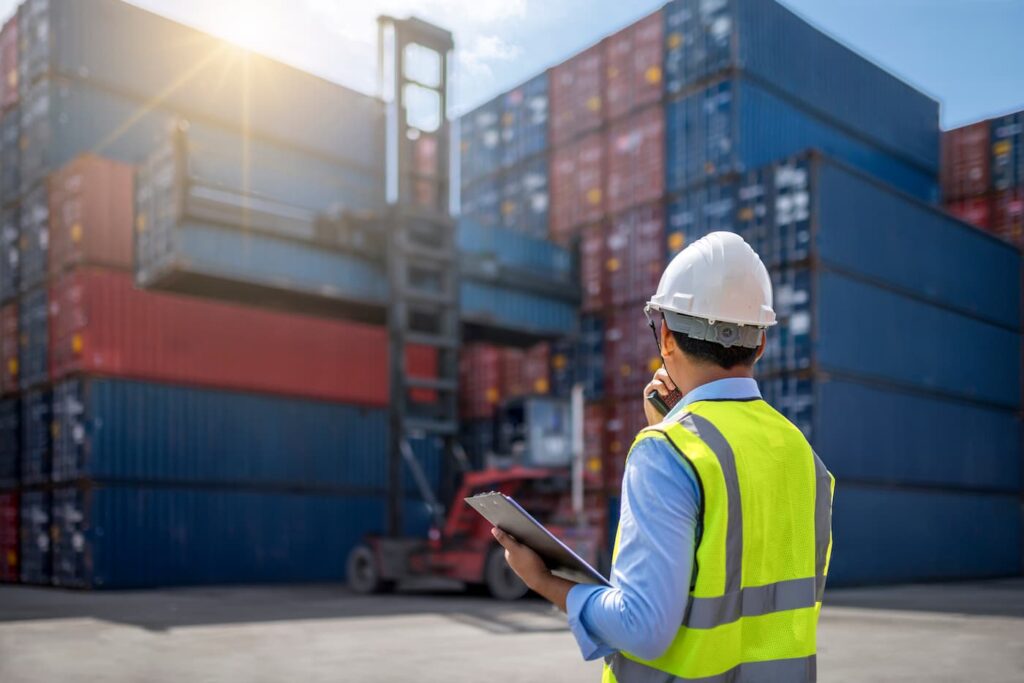
When importing goods from China to Canada, the biggest hurdle many businesses face isn’t manufacturing or shipping—it’s clearing customs. Without a reliable partner, delays, fines, and even cargo seizures can occur. That’s why choosing trusted customs clearance from Shenzhen to Canada is essential for smooth cross-border operations.
1. What Does “Trusted Customs Clearance” Really Mean?
A “trusted” customs clearance provider is more than just a broker—they are a logistics partner who:
- Understands Canadian and Chinese import/export regulations
- Prepares and submits accurate documents
- Handles duties and taxes transparently
- Liaises with customs agents on your behalf
- Prevents costly delays and rejections
Moreover, they simplify the shipping process for businesses of all sizes by integrating customs compliance into the overall logistics workflow.
2. Why Is Shenzhen a Key Origin Point for Canadian Imports?
Shenzhen is a global manufacturing powerhouse known for:
- Electronics, textiles, machinery, and household goods
- Proximity to Hong Kong and access to major ports and airports
- Established logistics infrastructure and freight forwarding services
As a result, Canadian companies sourcing from Shenzhen benefit from fast production, competitive pricing, and reliable shipping channels.
3. What Are the Most Common Shipping Methods from Shenzhen to Canada?
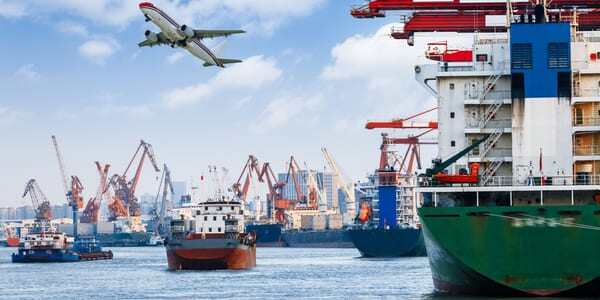
Here’s a quick comparison of the major freight options:
| Shipping Method | Transit Time | Cost Range | Best For |
|---|---|---|---|
| Air Freight | 4–8 days | Medium–High | Urgent or valuable cargo |
| Sea Freight (FCL) | 25–35 days | Low | Large volume shipments |
| Sea Freight (LCL) | 30–40 days | Low | Small, consolidated cargo |
| Express Courier | 3–5 days | High | Samples, documents, light goods |
For businesses requiring customs clearance, sea and air freight are most common, as courier services often include clearance by default.
4. What Documents Are Required for Canadian Customs Clearance?
Proper documentation is the backbone of successful customs processing. Here’s a checklist:
| Document | Purpose |
|---|---|
| Commercial Invoice | Declares value and contents of shipment |
| Packing List | Lists quantity, size, and packaging method |
| Bill of Lading / Air Waybill | Proof of shipment and consignee |
| Certificate of Origin | Required for some tariff codes |
| Importer Number (Canada) | Business Number (BN) for tax clearance |
| HS Code | Harmonized system code for classification |
| Cargo Control Document (CCD) | For bonded shipments |
Errors in any of these can result in fines, delays, or inspections.
5. How Much Does It Cost to Clear Customs from Shenzhen to Canada?
Customs clearance costs can vary depending on cargo type, volume, and service level:
| Cost Element | Estimated Fee |
|---|---|
| Customs Broker Fee | $75 – $200 per shipment |
| Duties & Taxes (GST + Duty) | Varies by product classification |
| Disbursement Fee | 2%–3% of duties advanced |
| Documentation Handling | $30 – $60 |
| Inspection Fees (if any) | Variable, based on CBSA discretion |
Tip: DDP (Delivered Duty Paid) shipments bundle all fees upfront, providing cost transparency.
6. What Are the Differences Between DDP and DDU?
| Model | Responsibility | Visibility | Risk |
|---|---|---|---|
| DDP (Delivered Duty Paid) | Seller handles taxes and customs | High | Low for buyer |
| DDU (Delivered Duty Unpaid) | Buyer pays taxes and clearance | Medium | Higher risk of surprise costs |
Therefore, if you want trusted customs clearance, consider choosing a DDP service model.
7. Which Industries Commonly Ship from Shenzhen to Canada?
Many sectors depend on reliable customs processes for smooth delivery:
- Electronics & Consumer Tech – Phones, drones, gadgets
- Automotive Parts – OEM and aftermarket components
- E-commerce & Dropshipping – Apparel, home goods, accessories
- Medical Equipment – Devices and consumables
- Industrial Tools – Machinery, parts, tools
Each of these product types has specific HS codes and regulatory considerations.
8. Can You Clear Customs Without a Canadian Importer Number?
In general, importers must have a Business Number (BN) issued by the CRA. However, if you use a freight forwarder offering DDP services, they can act as the importer of record on your behalf. This is especially useful for:
- E-commerce sellers
- First-time importers
- B2C shipping models
9. What Are the Pros and Cons of Shipping by Air vs Sea for Customs Clearance?
| Criteria | Air Freight | Sea Freight |
|---|---|---|
| Speed | 3–8 days | 25–40 days |
| Clearance Speed | Faster | Slower |
| Cost | Higher | Lower |
| Risk of Damage | Low | Medium |
| Ideal For | High-value or urgent goods | Bulk shipments |
Additionally, air shipments are generally processed faster by CBSA (Canada Border Services Agency).
10. How Do Customs Brokers Facilitate the Process?
Customs brokers work directly with CBSA and shippers to:
- Classify goods accurately
- Calculate duties and taxes
- File necessary entries and declarations
- Arrange inspections if flagged
- Coordinate with trucking firms for final delivery
A trusted customs broker ensures your goods are not only cleared, but cleared compliantly and quickly.
11. What Causes Delays at Canadian Customs?
Several issues can stall your shipment at the border:
- Incorrect or missing HS codes
- Discrepancies between invoice and actual cargo
- Lack of import permits for restricted goods
- Incomplete or missing documents
- Random CBSA inspections
Partnering with a customs clearance expert significantly reduces these risks.
12. How to Choose a Trusted Customs Clearance Provider?
Look for these key qualities:
| Quality | Importance |
|---|---|
| Experience with Canada-China logistics | Ensures regulatory compliance |
| Licensed customs broker on staff | Required for legal clearance |
| Transparent pricing | No hidden fees |
| DDP capabilities | Simplifies taxes for buyers |
| Multilingual support | Helps bridge cultural/communication gaps |
Providers like ChinaTopFreight offer door-to-door solutions, including customs clearance for Canada-bound shipments.
📦Get a Free Quote
Looking to simplify your import process? Our trusted customs clearance from Shenzhen to Canada helps you avoid delays, comply with CBSA regulations, and receive your goods on time. Get in touch today for a customs-friendly quote tailored to your product type and shipping method.
❓ Frequently Asked Questions
What is customs clearance from Shenzhen to Canada?
It’s the process of submitting required documents and duties to legally import goods from China into Canada.
How long does customs clearance take in Canada?
Standard clearance takes 1–2 days. Inspections may delay this to 3–5 days depending on cargo type.
Can I clear customs without a business number?
Yes, by using a DDP service where the freight forwarder serves as the importer of record.
Are all goods from China subject to duty in Canada?
No. Some products are duty-free under trade agreements, but GST still applies on most imports.
What happens if my shipment is flagged by CBSA?
It may undergo inspection. Your customs broker will coordinate and facilitate the process.
Conclusion
Navigating international logistics requires more than just shipping know-how. For companies importing goods into Canada, trusted customs clearance from Shenzhen to Canada is vital for success. With accurate documentation, expert brokerage, and regulatory compliance, you ensure faster processing, reduced risk, and lower overall costs.
Whether you’re a growing e-commerce brand or a seasoned importer, partnering with experienced professionals simplifies your supply chain from factory to doorstep. Let a trusted provider like ChinaTopFreight handle your customs needs so you can focus on growing your business.