

- By kelly
- October 29, 2025
- Logistics, Tips or Guide
Trusted Customs Clearance from Shenzhen to Netherlands: Complete Guide
Managing imports from China can be challenging, especially when handling paperwork, regulations, and delivery schedules. That is why many businesses rely on trusted customs clearance from Shenzhen to Netherlands to avoid delays, penalties, and unexpected costs. With proper documentation, accurate declarations, and professional freight support, importers can streamline their supply chain and ensure on-time delivery to Dutch ports and inland destinations.
1. What Is Customs Clearance in International Shipping?
Customs clearance is the mandatory process where import authorities check, verify, and approve goods before entry. It involves:
- Document submission
- Duty and VAT calculation
- Inspection for restricted or controlled items
When handled by trusted agents, this process ensures shipments move seamlessly from Shenzhen to Dutch ports such as Rotterdam and Amsterdam.
2. Why Choose Trusted Customs Clearance for Shenzhen–Netherlands Trade?
- Reduced Risk of Penalties: Errors in paperwork can lead to costly fines.
- Faster Transit: Professional agents minimize inspection delays.
- End-to-End Support: Includes freight forwarding, duty calculation, and delivery.
- Compliance Guarantee: Meets EU import laws, including product certifications.
Moreover, working with an experienced provider ensures shipments remain compliant across industries like electronics, furniture, textiles, or medical equipment.
3. How Much Does Customs Clearance from Shenzhen to Netherlands Cost?
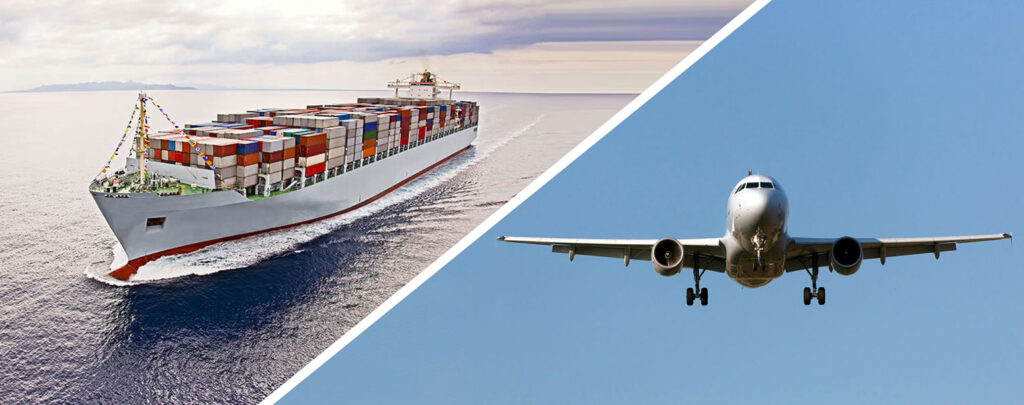
Costs vary depending on shipment size, cargo type, and customs complexity.
| Service Type | Average Cost (USD) | Notes |
|---|---|---|
| Customs Entry Filing | $80 – $150 | Required for all shipments |
| Duty & VAT Handling | Varies (21% VAT in NL) | Based on product HS code |
| Inspection Fees | $50 – $200 | If customs orders checks |
| Agency Service Fee | $100 – $250 | For professional clearance |
4. How Long Does Customs Clearance Take in the Netherlands?
| Shipping Mode | Average Transit | Customs Clearance | Total Delivery |
|---|---|---|---|
| Sea Freight (FCL) | 28–35 days | 1–3 days | 30–38 days |
| Sea Freight (LCL) | 30–40 days | 2–4 days | 32–44 days |
| Air Freight | 5–8 days | 1–2 days | 6–10 days |
| Rail Freight | 18–22 days | 1–3 days | 20–25 days |
Customs clearance normally adds 1–3 days, but delays may occur if documents are incomplete.
5. What Documents Are Required for Customs Clearance from Shenzhen to Netherlands?
| Document | Purpose |
|---|---|
| Bill of Lading (B/L) | Proves shipment ownership |
| Commercial Invoice | Declares value and goods |
| Packing List | Cargo breakdown by units and weight |
| Import Declaration (AGS system) | Submitted to Dutch Customs |
| Certificate of Origin | Confirms manufacturing country |
| CE Certificate | Mandatory for regulated products |
Missing documents often cause serious delays and fines.
6. FCL vs LCL: Which Is Better for Customs Clearance?
| Shipping Method | Pros | Cons | Best Use |
|---|---|---|---|
| FCL (Full Container Load) | Faster clearance, fewer checks | Requires large volume | Cargo >15 CBM |
| LCL (Less than Container Load) | Lower cost for small loads | Higher chance of inspection | Cargo <15 CBM |
FCL shipments are usually easier to clear since the container carries goods from only one importer.
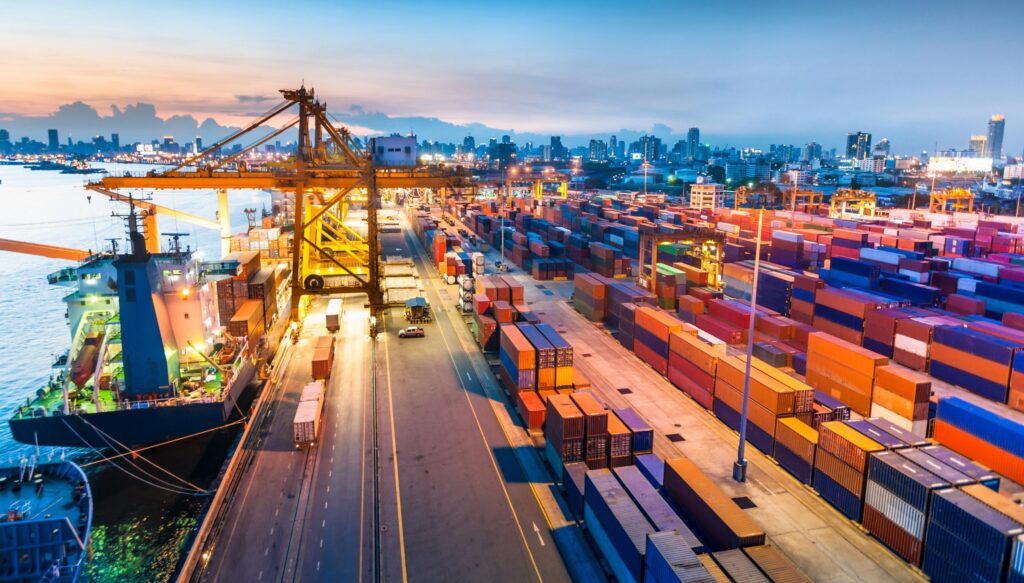
7. Customs Clearance: Air vs Sea vs Rail Freight
| Mode | Transit | Cost | Clearance Speed | Pros | Cons |
|---|---|---|---|---|---|
| Sea Freight | 28–40 days | Lowest | 2–4 days | Economical | Longer lead time |
| Air Freight | 5–8 days | High | 1–2 days | Fastest, reliable | Expensive |
| Rail Freight | 18–22 days | Medium | 1–3 days | Balanced option | Limited routes |
Air freight is fastest, while sea freight offers the best value for bulk cargo.
8. Common Challenges in Shenzhen–Netherlands Customs Clearance
- Incorrect HS codes
- Under- or over-declared cargo value
- Missing CE or safety certification
- Restricted items (e.g., chemicals, electronics with batteries)
- VAT miscalculation (21% standard in Netherlands)
Therefore, trusted customs clearance agents help avoid these pitfalls by ensuring accuracy and compliance.
9. How to Speed Up Customs Clearance?
- Submit documents in advance.
- Use correct HS codes and tariff numbers.
- Work with an experienced freight forwarder.
- Pre-pay duties and VAT where possible.
- Use electronic clearance systems (e.g., AGS in the Netherlands).
10. Industries That Require Professional Customs Clearance
- Electronics & IT Equipment: Requires CE and RoHS compliance.
- Medical Devices: Needs special certificates.
- Textiles & Apparel: Subject to EU labeling rules.
- Automotive Parts: Must follow EU safety standards.
- Food & Beverages: Requires sanitary and phytosanitary checks.
11. How Trusted Customs Clearance Improves Your Supply Chain
- Predictability: Ensures consistent delivery schedules.
- Cost Management: Prevents penalties and delays.
- Efficiency: Reduces bottlenecks at Dutch ports.
- Reliability: Builds trust with customers and suppliers.
📦Get a Free Quote
By choosing trusted customs clearance from Shenzhen to Netherlands, importers can eliminate risks, reduce transit times, and strengthen their global trade strategies. Professional agents ensure every shipment complies with Dutch and EU regulations, providing peace of mind to businesses.
❓ Frequently Asked Questions
1. How much does trusted customs clearance from Shenzhen to Netherlands cost?
It typically costs between $100–$250 for clearance fees, plus applicable duties and 21% VAT on product value.
2. How long does customs clearance take at Rotterdam port?
Usually 1–3 working days if documents are correct. Delays happen with inspections or incomplete paperwork.
3. Which shipping method is fastest for Shenzhen–Netherlands trade?
Air freight takes only 5–8 days, with customs adding 1–2 more days, making it the fastest option.
4. Do I need a Certificate of Origin for customs clearance?
Yes, especially for goods benefiting from trade agreements or where product origin affects tariff rates.
5. What happens if customs finds incorrect HS codes?
Fines, shipment delays, or reclassification charges may occur. Using a professional agent helps avoid such risks.
Conclusion
In today’s competitive trade environment, trusted customs clearance from Shenzhen to Netherlands is essential for businesses importing goods. By preparing documents correctly, complying with EU standards, and partnering with professional agents, importers can ensure fast, cost-effective, and reliable logistics. Ultimately, this strategy minimizes risks, improves supply chain efficiency, and supports smooth market entry in the Netherlands.