

Trusted Door to Door Delivery: China to France Shipping Guide
Businesses often face complexities when importing goods from China to France. Navigating international logistics, customs, and final delivery can be a significant challenge. Therefore, securing trusted door to door delivery from China to France streamlines your entire supply chain, ensuring peace of mind and efficiency. China Top Freight specializes in providing comprehensive solutions for your international shipping needs, making global trade simpler.
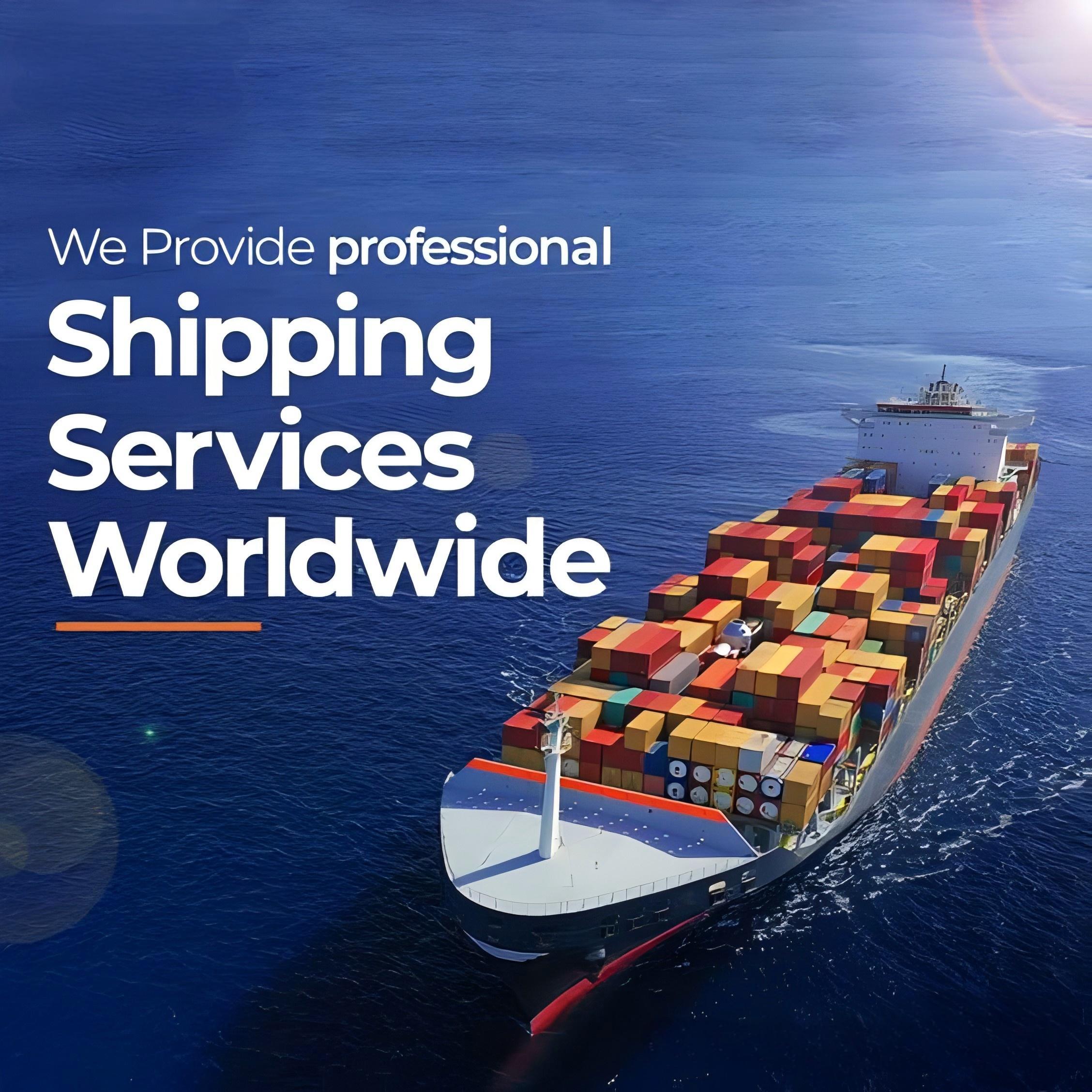
Why Choose Trusted Door to Door Delivery from China to France?
Opting for a trusted door to door delivery service fundamentally transforms your shipping experience. This comprehensive solution manages every aspect of your cargo’s journey, from the supplier’s factory in China directly to your warehouse or customer in France. Consequently, it significantly reduces administrative burden and operational complexities.
Furthermore, this integrated approach minimizes potential delays and miscommunications that often arise with multiple logistics providers. Consequently, you benefit from a single point of contact, streamlined tracking, and transparent communication throughout the entire shipping process. This holistic service ensures a smooth and efficient transit for your goods.
Moreover, choosing a reliable partner for door to door shipping from China to France provides unparalleled convenience. You can focus on your core business activities, knowing that all logistics, customs clearance, and final mile delivery are expertly handled. This peace of mind is invaluable for businesses of all sizes.
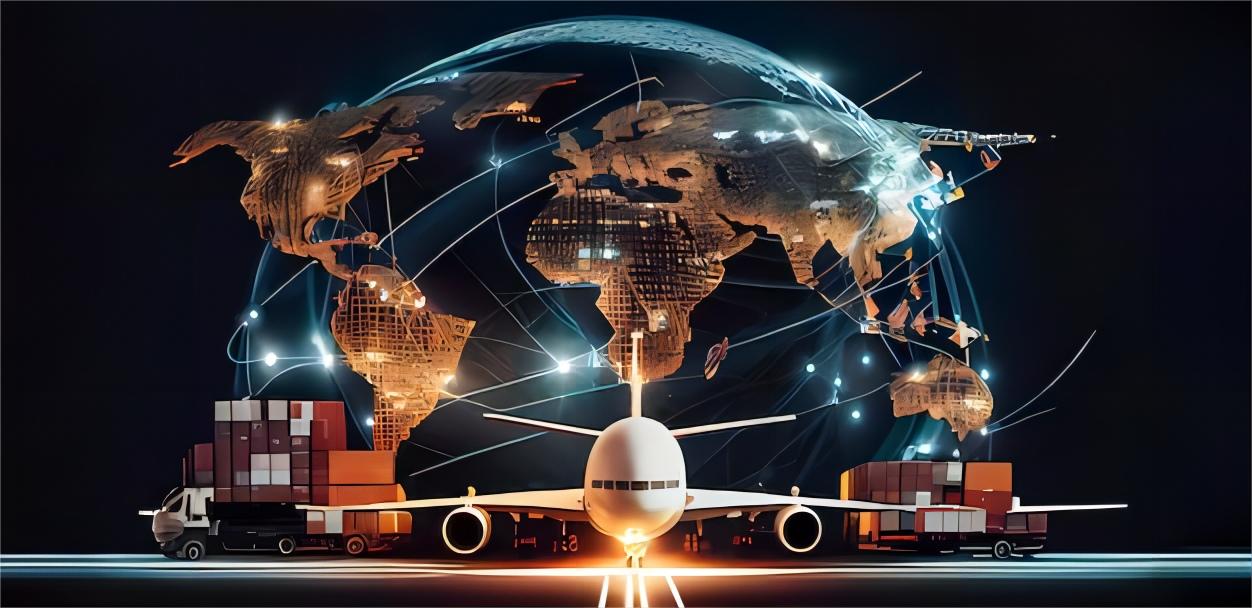
Understanding the Door to Door Logistics Process
The door to door shipping process from China to France involves several critical stages, each managed by your chosen freight forwarder. Initially, it begins with cargo collection from the origin address in China, followed by meticulous packaging and loading. Therefore, proper preparation is essential for a smooth start.
Next, goods undergo export customs clearance in China, ensuring all documentation complies with international regulations. Subsequently, the main transportation leg, whether by sea, air, or rail, commences towards France. This stage is crucial for managing transit time and cargo safety.
Upon arrival in France, the cargo proceeds through import customs clearance, including duty and tax assessment. Finally, after all legal requirements are met, the shipment is transported to the designated destination address within France. This seamless coordination defines a truly effective delivery schedule.
Therefore, a clear understanding of each step is vital for anticipating timelines and managing expectations. A proficient freight forwarder will keep you informed at every stage, providing updates on cargo handling and delivery status. This transparency is a hallmark of excellent service.
| Stage | Description | Key Activity |
|---|---|---|
| Pickup | Collection from supplier’s location in China. | Initial cargo handling |
| Export Clearance | Documentation and customs procedures in China. | Regulatory compliance |
| Main Transport | Sea, air, or rail freight to France. | Long-haul shipping |
| Import Clearance | Customs duties and taxes handled in France. | Entry into destination country |
| Final Delivery | Transport to the ultimate destination in France. | Last-mile logistics |
Key Shipping Methods for Your China to France Route
When considering your options for shipping from China to France, several primary modes of transport are available, each offering distinct advantages. The choice heavily depends on your cargo’s urgency, volume, and budget. Consequently, understanding these differences is crucial for optimal logistics planning.
For larger, less time-sensitive shipments, sea freight remains the most economical option. Shipping containers via ocean vessels offers significant capacity and lower costs per unit, making it ideal for bulk goods or non-perishable items. Transit times typically range from 28 to 35 days from major Chinese ports to France.
Conversely, if speed is your top priority, air freight provides the fastest transit times, usually between 5 to 7 days. While significantly more expensive, it is indispensable for high-value goods, perishable items, or urgent deliveries. This method is often preferred for smaller, lighter shipments requiring rapid arrival.
Meanwhile, rail freight presents a compelling middle-ground option, combining reasonable speed with moderate costs. The China-Europe railway offers transit times of approximately 18 to 22 days to central European hubs, from where goods can be distributed to France. This method is increasingly popular for its balance of efficiency and environmental benefits.
| Method | Cost | Transit Time | Best For |
|---|---|---|---|
| Sea Freight | Low | 28-35 days | Large volume, heavy cargo, non-urgent |
| Air Freight | High | 5-7 days | Urgent, high-value, perishable, small volume |
| Rail Freight | Medium | 18-22 days | Mid-volume, time-sensitive but not critical |
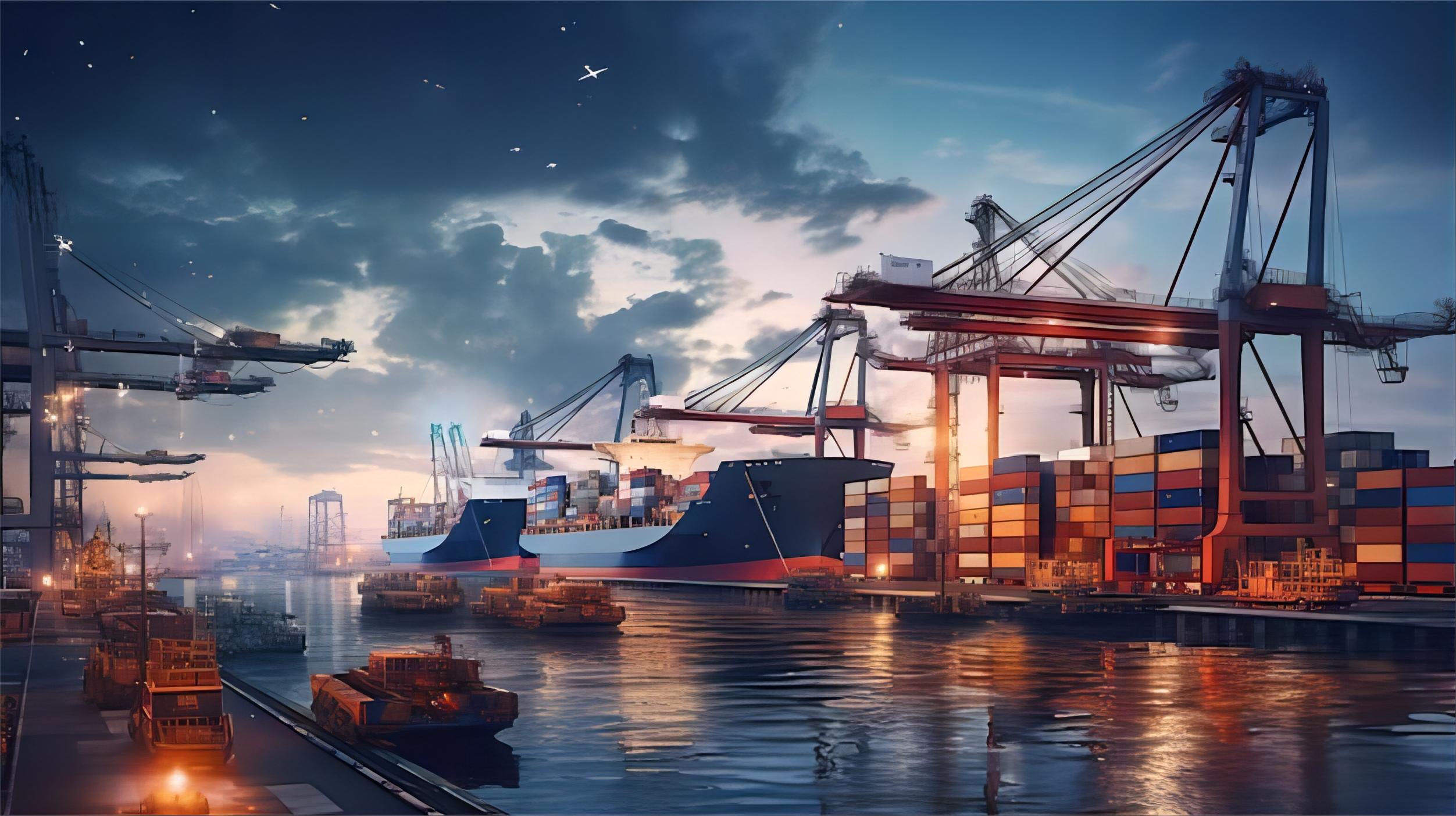
Navigating Customs and Documentation for China-France Shipments
Successful import/export operations between China and France hinge significantly on meticulous customs compliance and accurate documentation. Any oversight can lead to severe delays, fines, or even seizure of goods. Therefore, understanding and adhering to all regulations is paramount.
Key documents typically include the commercial invoice, packing list, bill of lading (for sea freight) or air waybill (for air freight), and a certificate of origin. Moreover, specific products may require additional licenses, permits, or certifications, such as CE marking for electronics or health certificates for certain goods. Your customs brokerage partner will guide you through these complexities.
Furthermore, accurate Harmonized System (HS) codes are crucial for proper classification and duty assessment. Misclassifying goods can result in incorrect duties or legal issues. Hence, collaborating with an experienced freight forwarder who understands both Chinese export and French import regulations is indispensable for seamless customs clearance.
Indeed, a skilled customs broker will prepare and submit all necessary paperwork on your behalf, liaise with customs authorities, and ensure timely payment of duties and taxes. This expertise minimizes risks and ensures your cargo moves smoothly across borders. They also stay updated on evolving logistics trends and regulations.
Cost Factors and Optimizing Your Door to Door Freight Budget
The total cost of trusted door to door delivery from China to France comprises several components. Fundamentally, these include the base freight rate for sea, air, or rail, which fluctuates based on market demand, fuel costs, and carrier capacity. Additionally, origin charges cover local pickup, warehousing, and export documentation in China.
Moreover, destination charges in France encompass port or airport handling fees, import customs clearance, and local delivery to your final address. Furthermore, import duties and taxes, determined by the goods’ HS code and value, constitute a significant portion of the total landed cost. Therefore, transparent communication about these charges is vital.
To optimize your shipping costs, consider several strategies. For instance, consolidating multiple smaller shipments into one larger LCL (Less than Container Load) consignment can reduce per-unit costs. Similarly, opting for slower sea freight over express air freight can yield substantial savings for non-urgent items, impacting your overall freight rates.
Negotiating favorable terms with your suppliers regarding Incoterms (e.g., EXW, FOB) can also influence who bears which costs and responsibilities. Always request a detailed, all-inclusive quote to avoid hidden fees. Note: Freight rates are subject to change based on fuel costs, carrier capacity, and seasonal demand. Contact us for a current quote tailored to your specific shipment.
How Does Sea Freight Compare to Other Shipping Options for France?
Understanding the comparative advantages and limitations of various shipping methods is crucial for making informed decisions on your China to France route. While door to door sea freight is often the default for its cost-effectiveness, other options present compelling alternatives depending on specific needs. This objective analysis helps you choose wisely.
Comparing sea freight with air freight, for instance, highlights a clear trade-off between cost and speed. While sea freight costs $2,800-4,200 for a 40HQ container from China to France, air freight for the same volume would cost $15,000-25,000 but arrives in 5-7 days instead of 28-35 days. Therefore, urgent shipments clearly favor air transport.
Furthermore, within sea freight, the choice between FCL (Full Container Load) and LCL (Less than Container Load) is significant. For shipments under 15 CBM, LCL at $50-80/CBM may be more economical than a full container, offering flexibility for smaller volumes. Conversely, FCL provides exclusive container use and often faster transit for larger goods.
Moreover, direct routes versus transshipment options also impact both cost and transit time. Direct routes from major Chinese ports to Le Havre or Marseille might cost 10-15% more but save 5-7 days compared to transshipment via ports like Singapore or Port Klang. This decision often balances budget priority with required delivery schedule.
Hybrid solutions, such as sea-air combinations, are emerging for specific scenarios. In this model, goods travel by sea to a hub (e.g., Dubai), then by air to France, offering a balance of speed and cost. This innovative approach can be particularly beneficial for moderately urgent shipments, optimizing logistics trends.
| Shipping Method | Cost Range | Transit Time | Best For | Limitations |
|---|---|---|---|---|
| Sea Freight (FCL) | $2,800-4,200 (40HQ) | 28-35 days | Large volumes, heavy goods, cost-saving | Slowest transit time |
| Sea Freight (LCL) | $50-80/CBM | 30-40 days | Smaller volumes (under 15 CBM), flexible | Longer consolidation times, potential delays |
| Air Freight | $5-10/kg (volume dependent) | 5-7 days | Urgent, high-value, small/medium cargo | Highest cost, limited capacity for very heavy goods |
| Rail Freight | $3-6/kg (volume dependent) | 18-22 days | Mid-speed, moderate cost, eco-friendly | Less flexible routes, limited to rail hubs |
| Express Courier | $7-15/kg | 2-5 days | Small parcels, documents, samples, extreme urgency | Very high cost for larger items, weight/size limits |
Which Option Should You Choose?
Selecting the ideal shipping method for your door to door delivery from China to France depends on a structured decision framework. Consider your primary business objectives, as these will dictate the most suitable approach. Therefore, a careful evaluation of priorities is essential.
If budget priority is paramount, sea freight (especially LCL for smaller volumes or FCL for larger) is unequivocally the recommended option. It offers the lowest per-unit cost, allowing for greater profit margins on your goods. However, this comes with a longer transit time.
Conversely, if speed priority is critical for your supply chain, air freight or express courier services are the preferred choices. These methods ensure rapid delivery, vital for time-sensitive products, seasonal goods, or urgent stock replenishment. They are, however, significantly more expensive.
For cargo type considerations, heavy or bulky machinery, raw materials, and non-perishable consumer goods are best suited for sea or rail freight. In contrast, electronics, fashion items, pharmaceuticals, or samples benefit from the speed and security of air or express services.
Finally, volume thresholds for switching methods are important. Typically, if your shipment exceeds 15 CBM, FCL sea freight often becomes more cost-effective than LCL. Below 1-2 CBM, express courier might compete with LCL sea freight for smaller, urgent items. Always get a custom quote to confirm the best fit.
Real-World Scenarios: Trusted Door to Door Delivery in Action
Examining actual case studies provides practical insights into the complexities and successful outcomes of international shipping. These examples demonstrate how different factors influence the choice of shipping method and overall logistics strategy. Therefore, understanding these real-world scenarios is invaluable for your planning.
Based on current market rates as of Q1 2025, these cases illustrate typical challenges and solutions for businesses shipping from China to France. They highlight the importance of adaptable supply chain solutions and expert freight forwarding. Each scenario offers a unique perspective on managing global logistics.
Case Study 1: LCL for E-commerce Apparel
This scenario showcases efficient consolidation for a French e-commerce business importing fashion apparel from multiple suppliers in Guangzhou. The client prioritized a balance of cost-effectiveness and reasonable transit time for their seasonal collections.
| Detail | Description |
|---|---|
| Route | Guangzhou, China -> Marseille, France |
| Cargo | Fashion Apparel, 12 CBM, 2500 kg |
| Container | LCL (Less than Container Load) |
| Shipping Details | Carrier: COSCO (major ocean carrier), Port of Loading: Nansha, Port of Discharge: Marseille, Route Type: Transshipment via Singapore |
| Cost Breakdown | Ocean Freight: $850, Origin Charges (THC, documentation): $320, Destination Charges: $280, Customs & Duties (estimated): $600, Total Landed Cost: $2050 |
| Timeline | Booking to Loading: 6 days, Sea Transit: 32 days, Customs Clearance: 4 days, Total Door-to-Door: 42 days |
| Key Insight | Consolidation of multiple suppliers into LCL saved significant costs and provided flexibility for varied order sizes. Q4 peak season rates were 15% higher. |
Case Study 2: FCL for Industrial Machinery Components
A French manufacturing company required a full container of specialized machinery components from Shanghai. Their primary concerns were cargo security, cost efficiency, and predictable delivery, though not extreme urgency.
| Detail | Description |
|---|---|
| Route | Shanghai, China -> Le Havre, France |
| Cargo | Industrial Machinery Parts, 38 CBM, 15000 kg |
| Container | 40GP (General Purpose) |
| Shipping Details | Carrier: Maersk, Port of Loading: Shanghai, Port of Discharge: Le Havre, Route Type: Direct |
| Cost Breakdown | Ocean Freight: $3400, Origin Charges: $450, Destination Charges: $380, Customs & Duties (estimated): $950, Total Landed Cost: $5180 |
| Timeline | Booking to Loading: 8 days, Sea Transit: 28 days, Customs Clearance: 3 days, Total Door-to-Door: 39 days |
| Key Insight | FCL offered superior security and cost-effectiveness for heavy, bulky items. Direct route minimized transit time compared to transshipment options. |
Case Study 3: Express Air Freight for Urgent Samples
A French pharmaceutical firm needed urgent delivery of critical samples for R&D from a supplier in Beijing. Speed and reliability were the absolute highest priorities, irrespective of cost.
| Detail | Description |
|---|---|
| Route | Beijing, China -> Paris, France |
| Cargo | Pharmaceutical Samples, 0.5 CBM, 150 kg |
| Container | Air Cargo (Express Service) |
| Shipping Details | Carrier: DHL Express, Airport of Origin: Beijing Capital (PEK), Airport of Destination: Paris Charles de Gaulle (CDG), Route Type: Direct Air Cargo |
| Cost Breakdown | Air Freight: $1800, Origin Charges: $150, Destination Charges: $120, Customs & Duties (estimated): $250, Total Landed Cost: $2320 |
| Timeline | Booking to Loading: 1 day, Air Transit: 2 days, Customs Clearance: 1 day, Total Door-to-Door: 4 days |
| Key Insight | Express air freight was the only viable option for critical, time-sensitive samples, ensuring rapid delivery to meet R&D deadlines. This exemplifies specialized cargo handling. |
Choosing the Right Partner for Your China-France Shipments
Selecting a reputable freight forwarder is perhaps the most crucial decision for ensuring a smooth and trusted door to door delivery from China to France. A competent partner will possess extensive knowledge of both Chinese export and French import regulations, ensuring compliance and efficiency. Therefore, due diligence is essential.
Look for a company with a strong global network, proven track record, and transparent communication practices. Moreover, they should offer comprehensive services, including warehousing, consolidation, customs brokerage, and flexible door to door solutions. This integrated approach simplifies your logistics management considerably.
China Top Freight offers unparalleled expertise in the China-Europe corridor, providing tailored shipping solutions that meet your specific needs. With our deep understanding of logistics trends and commitment to customer satisfaction, we ensure your cargo arrives safely and on schedule. We are dedicated to optimizing your supply chain and reducing stress.
Conclusion: Seamless Shipments from China to France
In summary, navigating the complexities of international shipping from China to France demands a strategic approach and a reliable logistics partner. Whether you prioritize speed, cost, or a balance of both, understanding the various shipping methods and their implications is key. Therefore, informed decision-making is paramount for success.
By opting for a trusted door to door delivery service, businesses can significantly reduce operational headaches, manage shipping costs effectively, and ensure timely arrival of goods. This comprehensive solution covers everything from origin pickup to final French destination, offering unparalleled convenience. Ultimately, a strong partnership guarantees peace of mind.
Ready to streamline your logistics?
Ready to simplify your international shipping? Contact China Top Freight today for a personalized, no-obligation quote on your next trusted door to door delivery from China to France. Our experts are standing by to offer efficient and reliable logistics solutions tailored to your business needs.
Request Quote