

Trusted Door to Door Delivery from China to Australia: Your Ultimate Guide
Navigating international shipping can be complex, especially when importing goods from China to Australia. Many businesses and individuals face challenges with customs, transit times, and finding reliable logistics partners. Thankfully, securing trusted door to door delivery from China to Australia simplifies this entire process, offering a seamless experience from supplier to your doorstep. This comprehensive guide will explore how to achieve efficient and secure freight forwarding for all your import needs.
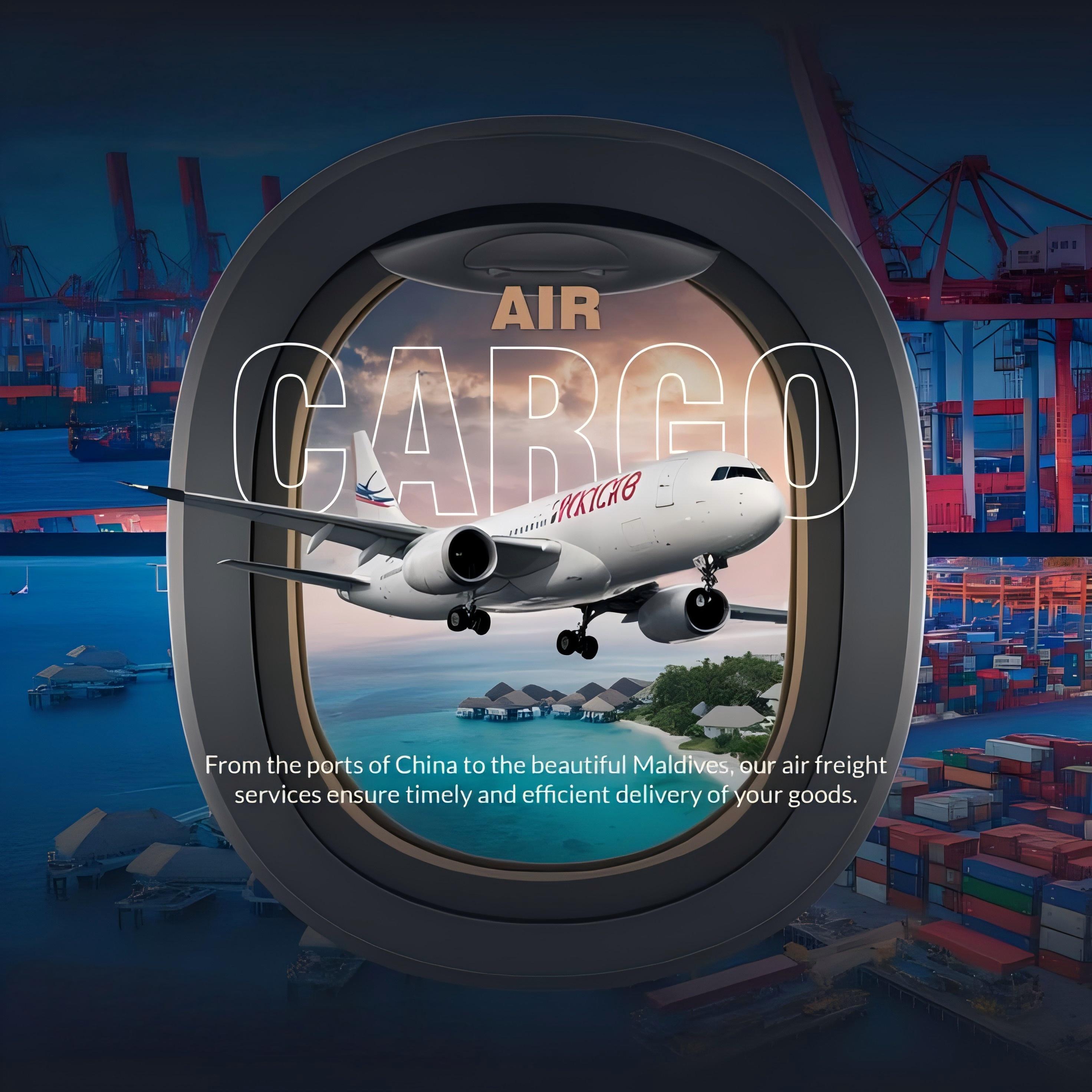
What Does Door to Door Delivery Entail for China to Australia Shipments?
Door to door delivery represents a complete logistics solution, encompassing every stage of your shipment. This service begins with cargo collection directly from your supplier in China and concludes with final delivery to your specified address in Australia. Essentially, it removes the need for you to manage individual logistics steps, providing a truly hands-off experience.
Crucially, this comprehensive service covers all aspects of the shipping process. It includes local pickup, warehousing, export customs clearance in China, international transit (sea or air freight), import customs clearance in Australia, and final last-mile delivery. Therefore, businesses can focus on their core operations while experts handle the complexities of international freight forwarding.
Why Choose Door to Door Delivery for Your Imports?
Opting for door to door delivery offers numerous advantages, particularly for businesses seeking efficiency and peace of mind. Primarily, it streamlines your supply chain by consolidating multiple vendors into one point of contact. This significantly reduces administrative burden and potential communication errors.
Moreover, this service provides enhanced visibility and control over your entire shipping process. A single provider manages all stages, meaning you receive unified tracking and support. This eliminates the guesswork often associated with coordinating different logistics providers, ensuring a smoother import process from China to Australia.
Furthermore, choosing a single provider for your door to door freight can lead to cost savings. Consolidated services often come with bundled pricing, which can be more economical than arranging each segment separately. Additionally, it minimizes the risk of delays and unexpected charges that can arise from fragmented logistics management.
How Does Door to Door Delivery Compare to Other Shipping Options?
When importing from China to Australia, several shipping methods are available, each with distinct advantages and disadvantages. Understanding these differences is crucial for making informed decisions based on your cargo, budget, and urgency. Door to door service integrates these methods into a seamless package.
Essentially, the primary international transit options remain sea freight and air freight. Your choice significantly impacts both cost of shipping from China to Australia and overall transit time. Conversely, rail freight is not a viable option for direct shipments between China and Australia due to geographical constraints.

| Shipping Method | Cost Range | Transit Time | Best For | Limitations |
|---|---|---|---|---|
| Sea Freight (FCL/LCL) | Low to Moderate | 12-18 days (port-to-port) | Large volumes, heavy goods, non-urgent shipments | Slower transit, potential port congestion |
| Air Freight | High | 3-7 days (airport-to-airport) | Urgent, high-value, small/medium-sized cargo | Higher cost, weight/volume restrictions, environmental impact |
| Express Service | Very High | 2-5 days (door-to-door) | Small packages, urgent documents, e-commerce | Highest cost, strict size/weight limits |
Which Option Should You Choose for Your China-Australia Shipments?
Selecting the right shipping method depends entirely on your specific business requirements and priorities. A careful evaluation of your budget, desired speed, and cargo characteristics will guide your decision. Ultimately, the best solution balances these factors effectively.
If budget is your primary concern, sea freight is generally the most cost-effective option, particularly for large or heavy shipments. Conversely, if speed is paramount, air freight or an express service is ideal, despite the higher freight rates. For example, e-commerce businesses often leverage express options for faster delivery times.
Moreover, the type and volume of your cargo also play a critical role. For instance, less than container load (LCL) sea freight is suitable for smaller shipments that don’t fill an entire container. Conversely, full container load (FCL) is more economical for larger volumes. Consider hybrid solutions, such as sea-air, if you need a balance between speed and cost, though this is less common for direct China-Australia routes.
Navigating Customs and Documentation for Australian Imports
Customs clearance is a critical, yet often complex, part of importing goods from China to Australia. Proper documentation and adherence to Australian import regulations are essential to avoid delays and penalties. A professional freight forwarder simplifies this entire process.
Therefore, having an experienced partner manage your customs brokerage ensures compliance with all necessary declarations and duties. They will handle the preparation and submission of crucial documents like commercial invoices, packing lists, bills of lading (for sea freight) or air waybills (for air freight), and certificates of origin. Moreover, they can advise on specific import permits or quarantine requirements for certain goods, especially those regulated by the Australian Border Force (ABF) and Department of Agriculture, Fisheries and Forestry (DAFF).
Real-World Scenarios: Trusted Door to Door Delivery from China to Australia
Understanding how door to door delivery works in practice can highlight its value. These case studies illustrate common shipping challenges and how integrated logistics solutions provide effective outcomes for businesses importing to Australia. They demonstrate the practical application of reliable logistics services.
Case Study 1: E-commerce Retailer’s Seasonal Stock
A Sydney-based e-commerce retailer needed to import a large volume of seasonal apparel from Guangzhou, China, for the upcoming summer season. Speed was important, but cost-effectiveness for the bulk order was the priority. The goods were non-perishable and not excessively fragile.
| Detail | Description |
|---|---|
| Route | Guangzhou Sydney |
| Cargo | Fashion Apparel, 25 CBM, 4,500 kg |
| Container | LCL 25 CBM |
| Shipping Details | Major carrier (e.g., COSCO) via LCL consolidation. Port of Loading: Guangzhou, Port of Discharge: Sydney. Route Type: Direct. |
| Cost Breakdown | Ocean Freight: $1,600 (LCL @ $64/CBM), Origin Charges: $350, Destination Charges: $400, Customs & Duties (estimated): $800, Total Landed Cost: $3,150 |
| Timeline | Booking to Loading: 5 days, Sea Transit: 15 days, Customs Clearance: 3 days, Total Door-to-Door: 23 days |
| Key Insight | LCL sea freight provided a cost-effective solution for a medium-sized, non-urgent bulk order, ensuring timely stock arrival before peak season. Based on Q3 2024 market rates. |
Case Study 2: Urgent Spare Parts for Industrial Equipment
An Australian mining company required urgent replacement parts for critical machinery manufactured in Shanghai, China. Downtime was extremely costly, so the fastest possible delivery was essential, overriding budget considerations. The parts were relatively small and lightweight.
| Detail | Description |
|---|---|
| Route | Shanghai Perth |
| Cargo | Industrial Machine Parts, 0.8 CBM, 120 kg |
| Container | Air Cargo |
| Shipping Details | Major airline (e.g., Qantas Freight) direct service. Airport of Loading: Shanghai Pudong (PVG), Airport of Discharge: Perth (PER). Route Type: Direct. |
| Cost Breakdown | Air Freight: $960 (@ $8/kg), Origin Charges: $150, Destination Charges: $180, Customs & Duties (estimated): $200, Total Landed Cost: $1,490 |
| Timeline | Booking to Loading: 1 day, Air Transit: 2 days, Customs Clearance: 1 day, Total Door-to-Door: 4 days |
| Key Insight | Air freight was the only viable option for critical, time-sensitive parts, minimizing costly operational downtime. Typical rates as of early 2025. |
Case Study 3: Furniture Importer with Regular Shipments
A furniture wholesaler in Melbourne regularly imports full container loads of flat-pack furniture from Shenzhen, China. Their priority is consistent delivery schedules and competitive freight rates. They rely on predictable logistics for their inventory management.
| Detail | Description |
|---|---|
| Route | Shenzhen Melbourne |
| Cargo | Flat-pack Furniture, 68 CBM, 10,000 kg |
| Container | 40HQ (Full Container Load) |
| Shipping Details | Major carrier (e.g., Maersk) FCL service. Port of Loading: Shenzhen (Yantian), Port of Discharge: Melbourne. Route Type: Direct. |
| Cost Breakdown | Ocean Freight: $1,850, Origin Charges: $450, Destination Charges: $550, Customs & Duties (estimated): $1,200, Total Landed Cost: $4,050 |
| Timeline | Booking to Loading: 7 days, Sea Transit: 18 days, Customs Clearance: 4 days, Total Door-to-Door: 29 days |
| Key Insight | FCL sea freight provides the best balance of cost and capacity for large, regular shipments, ensuring reliable supply chain for the wholesaler. Based on Q1 2025 market rates, subject to seasonal surcharges. |
Choosing a Reliable Freight Forwarder for China-Australia Routes
Selecting the right freight forwarder is paramount for a successful and stress-free door to door delivery from China to Australia. A reputable partner offers expertise, a robust network, and transparent communication. Look for companies with a proven track record on this specific trade lane.
Consider their experience with both Chinese export and Australian import regulations. Furthermore, evaluate their communication channels and responsiveness. A good freight forwarder provides real-time tracking and proactive updates, ensuring you are always informed about your shipment’s status. Market data suggests that experienced forwarders significantly reduce potential delays.
Seamless Imports: Your Partner for Trusted Door to Door Delivery from China to Australia
In conclusion, navigating the complexities of international shipping from China to Australia demands a reliable and efficient logistics partner. Choosing a trusted door to door delivery service offers unparalleled convenience, cost-effectiveness, and peace of mind. This integrated approach covers every step, from factory floor to your Australian destination.
By understanding the various shipping methods, customs requirements, and the benefits of a comprehensive service, you can make informed decisions. Ultimately, partnering with an experienced freight forwarder ensures your goods arrive safely, on time, and within budget, strengthening your supply chain. This strategic choice is vital for sustainable import success.
Get Your Shipping Quote Today
Ready to streamline your imports with trusted door to door delivery from China to Australia? Contact us today for a personalized quote and discover how our expert team can simplify your logistics challenges. We offer tailored solutions to meet your specific shipping needs.
Request Quote