Trusted Door to Door Delivery from China to Germany: Your Ultimate Guide
Navigating international shipping can be complex, especially when importing from China to Germany. Securing a reliable, trusted door to door delivery from China to Germany service is crucial for business efficiency. This comprehensive guide will explore how to achieve seamless logistics, ensuring your cargo arrives safely and on schedule. Learn more about optimized shipping solutions at China Top Freight.
Why Choose Trusted Door to Door Delivery from China to Germany?
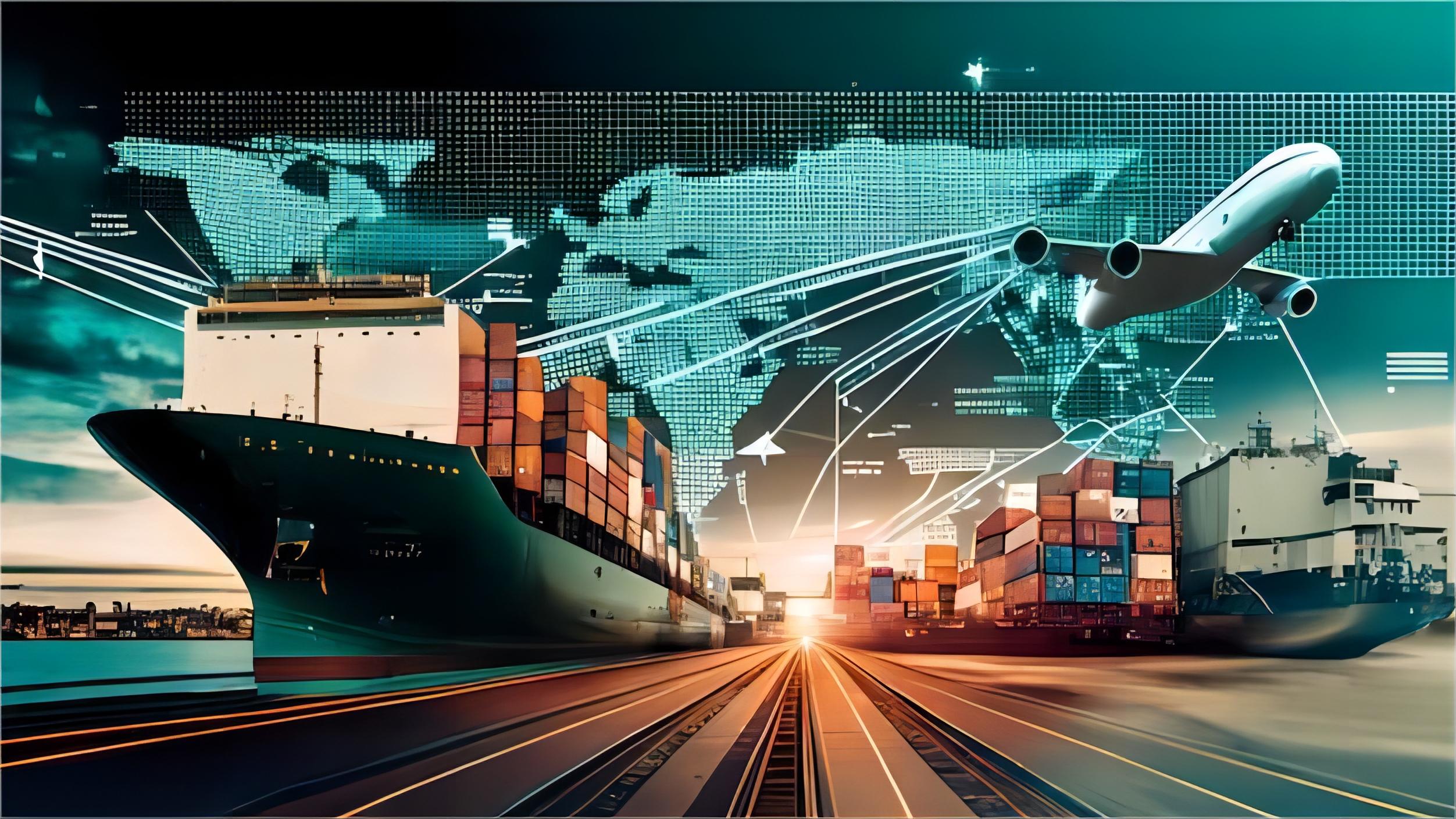
Opting for a trusted door to door delivery from China to Germany simplifies your entire import process. This service encompasses everything from pickup at the supplier’s factory in China to final delivery at your specified address in Germany. Consequently, it removes numerous logistical headaches for importers.
Furthermore, an integrated door to door solution means a single point of contact for all aspects of your shipment. This includes freight forwarding, customs clearance, and local transportation within both countries. Ultimately, this approach saves time and reduces potential errors.
What Are the Main Shipping Methods from China to Germany?
Several primary methods facilitate shipping from China to Germany, each with distinct advantages. Consequently, selecting the right method depends heavily on your cargo’s characteristics, budget, and urgency. Understanding these options is key to efficient logistics.
Therefore, carefully evaluate your requirements before committing to a specific transport mode. Here is a comparison of the most common shipping methods available for this route.
| Shipping Method | Cost Range (per kg/CBM) | Transit Time | Best For | Limitations |
|---|---|---|---|---|
| Sea Freight (FCL/LCL) | Low ($0.05-0.20/kg) | 28-35 days | Large, heavy, non-urgent goods | Slow, port-to-port only |
| Rail Freight | Medium ($0.15-0.40/kg) | 18-25 days | Medium urgency, cost-effective for Europe | Limited rail network, capacity |
| Air Freight | High ($4-8/kg) | 5-7 days | Urgent, high-value, perishable goods | Expensive, weight/volume limits |
| Express Service | Very High ($8-15/kg) | 2-4 days | Small, urgent parcels, samples | Very high cost, strict limits |
How Does Rail Freight Compare to Other Shipping Options?
Rail freight presents a compelling middle-ground option for many businesses importing from China to Germany. It is significantly faster than sea freight, yet considerably more affordable than air freight. Indeed, this makes it an increasingly popular choice for a variety of cargo types.
Moreover, rail freight offers greater stability in transit times compared to ocean shipping, which can be affected by port congestion or adverse weather. As a result, businesses often choose rail freight for a balanced approach to speed and cost. Typical rates as of early 2025 for a 40HQ container via rail range from $7,000 to $9,500, with transit times around 18-22 days.
Understanding the Door to Door Delivery Process
A truly trusted door to door delivery from China to Germany service covers every step of the logistics chain. This comprehensive approach begins with cargo pickup and extends through international transport. Ultimately, it simplifies import/export operations for businesses of all sizes.
Firstly, the process involves collecting your goods from the supplier. Subsequently, they are transported to the port or airport of origin. From there, the main leg of international shipping commences. Finally, upon arrival in Germany, local delivery to your warehouse or distribution center completes the journey. This end-to-end management is the hallmark of a reliable door to door service.
Key Stages of Door to Door Shipping
Initially, cargo collection and pre-carriage ensure your goods are safely picked up. Next, export customs clearance in China is managed, adhering to all local regulations. Consequently, this prevents delays before international transit.
The main transport leg follows, utilizing sea, air, or rail. Upon arrival in Germany, import customs clearance is handled meticulously. Finally, last-mile delivery completes the process, bringing your goods directly to your specified destination. This structured approach minimizes your involvement and risk.
Case Studies: Real-World Trusted Door to Door Delivery
These examples illustrate the practical application of trusted door to door delivery from China to Germany, showcasing diverse cargo types and shipping scenarios. They highlight how different methods cater to specific business needs. Based on Q3 2024 market rates, these scenarios offer valuable insights into typical operations.
Case Study 1: E-commerce Apparel Shipment
This case involved an e-commerce business needing consistent, timely delivery of apparel. The client prioritized a balance between cost and speed for their fashion items. Therefore, they opted for a reliable rail solution to maintain inventory levels effectively.
| Detail | Description |
|---|---|
| Route | Yiwu, China -> Berlin, Germany |
| Cargo | Fashion Apparel, 25 CBM, 4,500 kg |
| Container | LCL 25 CBM |
| Shipping Method | Rail Freight |
| Carrier/Service | Major Rail Operator |
| Port of Loading | Yiwu Rail Terminal |
| Port of Discharge | Duisburg Rail Terminal |
| Route Type | Direct (via Kazakhstan, Russia, Poland) |
| Cost Breakdown | |
| Rail Freight | $5,500 |
| Origin Charges | $450 |
| Destination Charges | $600 |
| Customs & Duties (est.) | $1,200 |
| Total Landed Cost | $7,750 |
| Timeline | |
| Booking to Loading | 5 days |
| Rail Transit | 19 days |
| Customs Clearance | 2 days |
| Total Door-to-Door | 26 days |
| Key Insight | Rail offered optimal balance of cost and speed, avoiding sea delays for fast-moving fashion goods. |
Case Study 2: Industrial Machinery Import
A manufacturing company required the import of heavy industrial machinery. Given the large volume and weight, sea freight was the most economical choice. While transit time was longer, cost-effectiveness was the primary concern for this non-urgent, high-value shipment.
| Detail | Description |
|---|---|
| Route | Shanghai, China -> Hamburg, Germany |
| Cargo | Industrial Press Machine, 40 CBM, 15,000 kg |
| Container | 1 x 40GP |
| Shipping Method | Sea Freight (FCL) |
| Carrier/Service | COSCO |
| Port of Loading | Shanghai |
| Port of Discharge | Hamburg |
| Route Type | Direct |
| Cost Breakdown | |
| Ocean Freight | $3,500 |
| Origin Charges | $700 |
| Destination Charges | $850 |
| Customs & Duties (est.) | $2,500 |
| Total Landed Cost | $7,550 |
| Timeline | |
| Booking to Loading | 7 days |
| Sea Transit | 32 days |
| Customs Clearance | 3 days |
| Total Door-to-Door | 42 days |
| Key Insight | FCL sea freight provided the most cost-effective solution for large, heavy machinery, despite longer transit. |
Case Study 3: Urgent Electronics Components
A tech company faced a critical production halt due to a shortage of electronic components. Speed was paramount, making express service the only viable option. Despite the higher cost, rapid delivery prevented significant financial losses from downtime.
| Detail | Description |
|---|---|
| Route | Shenzhen, China -> Munich, Germany |
| Cargo | Electronic Components, 0.5 CBM, 150 kg |
| Container | Air Cargo (General) |
| Shipping Method | Air Freight / Express |
| Carrier/Service | DHL Express |
| Port of Loading | Shenzhen (SZX) |
| Port of Discharge | Munich (MUC) |
| Route Type | Direct Air Cargo |
| Cost Breakdown | |
| Air Freight / Express | $1,800 |
| Origin Charges | $150 |
| Destination Charges | $100 |
| Customs & Duties (est.) | $300 |
| Total Landed Cost | $2,350 |
| Timeline | |
| Booking to Loading | 1 day |
| Air Transit | 3 days |
| Customs Clearance | 1 day |
| Total Door-to-Door | 5 days |
| Key Insight | Express air freight was crucial for preventing production line stoppage, justifying the higher shipping costs. |
Customs Clearance and Documentation for Germany
Effective customs brokerage is an indispensable component of trusted door to door delivery from China to Germany. Incorrect documentation or overlooked regulations can lead to significant delays and penalties. Therefore, partnering with an experienced freight forwarder is vital.
Moreover, German import regulations are stringent, requiring precise declarations and adherence to EU standards. Essential documents typically include the commercial invoice, packing list, bill of lading/airway bill, and certificates of origin. Additionally, specific products may require further permits or certifications to comply with German import laws.
Key Documents Required for Import
Ensuring all paperwork is accurate and complete prevents common customs pitfalls. Missing or incorrect information is a frequent cause of delays. Consequently, proactive preparation is highly recommended for all importers.
| Document | Purpose | Notes |
|---|---|---|
| Commercial Invoice | Details goods, value, buyer/seller | Must be accurate for customs valuation |
| Packing List | Itemizes contents of each package | Aids in cargo inspection and handling |
| Bill of Lading (B/L) / Air Waybill (AWB) | Contract of carriage, title to goods | Essential for release of cargo |
| Certificate of Origin | Proves country of manufacture | May impact duties under trade agreements |
| Import License / Permits | Required for controlled goods (e.g., certain electronics, chemicals) | Check specific product requirements |
Cost-Saving Strategies and Trade-offs for China-Germany Shipping
Optimizing shipping costs is a constant challenge for businesses, especially for routes like China to Germany. Various strategies can reduce expenses, though they often involve trade-offs in speed or flexibility. Understanding these options helps in making informed decisions.
For instance, consolidating smaller shipments into LCL (Less than Container Load) via sea freight can be highly cost-effective compared to individual parcel shipments. However, this typically extends transit times. Similarly, choosing rail over air significantly cuts costs but adds several days to the delivery schedule. Market data suggests that rates typically increase 15-25% during August-October peak season, emphasizing the importance of planning.
Hybrid Solutions and Volume Thresholds
Consider hybrid solutions like sea-rail combinations for a balance of speed and economy. For example, shipping by sea to a European port, then by rail to Germany, can be faster than all-sea but cheaper than all-rail. Moreover, for shipments under 15 CBM, LCL at $50-80/CBM may be more economical than a full container.
Additionally, volume thresholds play a crucial role in method selection. While a 20GP container from China to Europe might cost $1,800-2,500, a 40HQ could be $3,000-4,200. For very small, urgent items, express service may be the most cost-efficient due to its speed, despite higher per-kg rates. Note: Freight rates are subject to change based on fuel costs, carrier capacity, and seasonal demand. Contact us for a current quote tailored to your specific shipment.
Which Option Should You Choose for Your Shipments?
Selecting the ideal shipping method from China to Germany depends on a clear understanding of your priorities. Each option offers unique benefits and drawbacks. Therefore, matching the method to your specific needs is paramount.
Consider your budget, time constraints, and cargo type carefully. A well-informed decision minimizes risks and maximizes efficiency for your supply chain. We recommend evaluating these criteria systematically.
Decision Framework for Shipping Methods
If budget is your top priority, especially for large, non-urgent goods, sea freight (FCL or LCL) is generally the most economical choice. Furthermore, for substantial volumes, this method offers unparalleled cost-efficiency per unit.
Conversely, if speed is paramount, particularly for high-value or time-sensitive items, air freight or express courier services are indispensable. These options significantly reduce transit times, albeit at a higher cost. For a good balance, rail freight offers a compelling alternative.
For cargo type considerations, fragile or specialized goods might benefit from dedicated handling via air cargo. Heavy, bulky items are best suited for sea or rail. For small parcels and samples, express services provide rapid and reliable delivery. Finally, for goods destined for Amazon FBA, precise scheduling and compliance are key, often favoring faster methods or specialized services.
Achieving Seamless Logistics with Trusted Door to Door Delivery
In conclusion, securing a trusted door to door delivery from China to Germany is fundamental for efficient international trade. By understanding the various shipping methods, managing customs documentation diligently, and implementing cost-saving strategies, businesses can significantly enhance their logistics operations. Therefore, choosing a reliable freight forwarding partner is key to success.
Ultimately, a well-managed supply chain ensures timely deliveries, reduces costs, and minimizes risks. Partner with experts who can navigate the intricacies of international shipping, providing you with peace of mind. This commitment to excellence guarantees a smooth and reliable import experience every time.
Need a tailored shipping solution?
Ready to streamline your import process with trusted door to door delivery from China to Germany? Contact our experts today for a personalized quote and discover how we can optimize your supply chain. Let us handle the complexities, so you can focus on your business growth.