

Trusted FCL Shipping from China to France: Your Ultimate Guide
Navigating international freight can be complex, especially when importing goods from China to France. Securing trusted FCL shipping from China to France is paramount for businesses seeking efficiency and cost-effectiveness. This guide provides an in-depth look at full container load (FCL) services, ensuring your cargo arrives safely and on schedule.
What is FCL Shipping and Why Choose it for China to France?
Full Container Load (FCL) shipping means your goods occupy an entire shipping container, whether it’s a 20-foot or 40-foot unit. This method is ideal for larger shipments that can fill a container.
Choosing FCL for your China to France route offers several distinct advantages. Primarily, it provides enhanced security and reduces transit times compared to less than container load (LCL) options. Your cargo remains sealed from origin to destination, minimizing handling.
Moreover, FCL shipping often proves more economical for high-volume goods. Consequently, businesses benefit from predictable costs and a streamlined supply chain. This dedicated space ensures your goods are not consolidated with others, preventing potential delays or damage.
Key Ports and Transit Times for FCL Shipments to France
The journey from China to France involves major international shipping hubs. Key Chinese ports include Shanghai, Ningbo, Shenzhen, Guangzhou, and Qingdao. These bustling ports offer extensive routes and regular departures.
Upon arrival in France, your FCL shipment will typically dock at major ports such as Le Havre, Marseille-Fos, or Dunkirk. Le Havre, without a doubt, is France’s largest container port and a primary gateway for Asian imports.
Transit times for sea freight FCL from China to France generally range from 28 to 38 days. This duration depends on the specific origin and destination ports, the chosen carrier, and whether the route is direct or involves transshipment. Direct routes are usually faster but may incur higher costs.
How Does FCL Compare to Other Shipping Options?
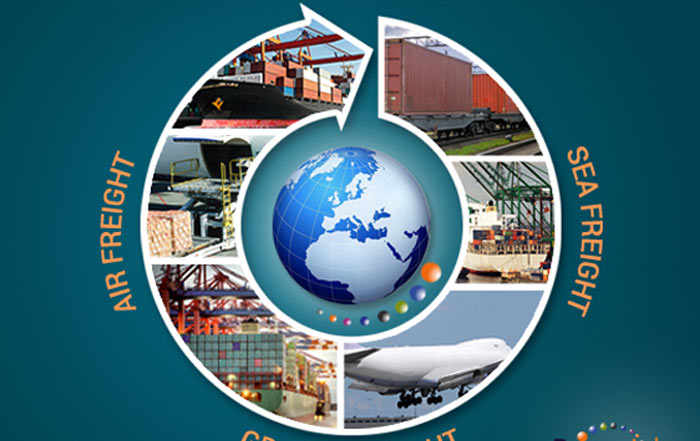
When considering shipping from China to Europe, various methods exist beyond FCL. Understanding the alternatives is crucial for making an informed decision about your logistics strategy. Each option presents unique trade-offs in terms of cost, speed, and suitability.
For instance, while FCL is cost-effective for large volumes, smaller shipments might benefit from other solutions. Therefore, evaluating your cargo size, budget, and urgency is essential. This comparison highlights the strengths and weaknesses of each shipping mode.
| Shipping Method | Cost Range (2024-2025) | Transit Time | Best For |
|---|---|---|---|
| FCL Sea Freight | USD 2,800-4,200 (40GP/HQ) | 28-38 days | Large volumes, cost-effectiveness, heavy/bulky goods |
| LCL Sea Freight | USD 80-150 per CBM | 35-45 days | Small to medium shipments, flexible volume |
| Air Freight | USD 4-8 per kg | 5-10 days | Urgent, high-value, perishable goods, small volumes |
| Rail Freight | USD 0.8-1.5 per kg | 18-25 days | Time-sensitive but not urgent, mid-sized volumes, eco-friendly |
Understanding FCL Shipping Costs and Factors Affecting Them
The overall cost of door-to-door trusted FCL shipping from China to France comprises several components. These typically include ocean freight charges, origin charges (e.g., terminal handling, documentation), destination charges, and customs duties and taxes. Understanding each element is key to budgeting effectively.
Indeed, various factors influence FCL freight rates. These include the type and size of the container (20GP, 40GP, 40HQ), the specific route, fuel surcharges (Bunker Adjustment Factor – BAF), and currency exchange rates. Furthermore, seasonal demand significantly impacts pricing, with peak seasons like August-October often seeing 15-25% increases.
Moreover, port congestion, global supply chain disruptions, and carrier capacity also play a crucial role in determining current market rates. For example, recent Red Sea disruptions in Q1 2025 led to longer transit times and higher costs for many European routes. Always obtain a current quote for accurate pricing.
Note: Freight rates are subject to change based on fuel costs, carrier capacity, and seasonal demand. Contact us for a current quote tailored to your specific shipment.
Case Study 1: Electronics Importer to Paris
This case illustrates a typical FCL shipment for consumer electronics, highlighting cost and timeline efficiency.
| Detail | Description |
|---|---|
| Route | Shenzhen, China Le Havre, France |
| Cargo | Consumer Electronics, 60 CBM, 12,000 kg |
| Container | 1 x 40HQ |
| Shipping Details | Carrier: Major carrier; Port of Loading: Shenzhen; Port of Discharge: Le Havre; Route Type: Direct |
| Cost Breakdown (Estimated Q4 2024) | Ocean Freight: $3,850; Origin Charges: $450; Destination Charges: $550; Customs & Duties (est): $1,200; Total Landed Cost: $6,050 |
| Timeline | Booking to Loading: 5 days; Sea Transit: 30 days; Customs Clearance: 3 days; Total Door-to-Door: 38 days |
| Key Insight | Direct route ensured minimal delays, and a 40HQ container maximized cost efficiency for the volume of goods. |
Customs Clearance and Documentation for France Imports
Successful import to France requires meticulous attention to customs clearance and documentation. Indeed, proper preparation is critical to avoid costly delays and penalties. Your freight forwarder plays a vital role in this process.
Essential documents typically include the Commercial Invoice, Packing List, Bill of Lading (BL), Certificate of Origin, and any necessary permits or licenses. For example, certain products may require specific certifications for import into the EU.
Furthermore, France, as an EU member, adheres to strict import regulations. Therefore, ensuring compliance with VAT, EORI numbers, and product-specific standards (e.g., CE marking) is paramount. A proficient customs brokerage service can navigate these complexities seamlessly.
Choosing a Trusted FCL Freight Forwarder: What to Look For
Selecting the right freight forwarder is arguably the most critical decision for trusted FCL shipping from China to France. A reliable partner ensures smooth operations, competitive rates, and peace of mind.
Look for a forwarder with extensive experience on the China-Europe trade lane. Their network of carriers and local agents in both China and France is invaluable. Furthermore, transparent communication and proactive problem-solving are key indicators of a quality service provider.
Moreover, consider their range of services. Do they offer Amazon FBA delivery, express service for urgent needs, or comprehensive cargo insurance? A full-service provider can handle all aspects of your shipment, from factory pickup to final delivery. Always check their reputation and client testimonials.
Case Study 2: Furniture Shipment to Lyon
This case highlights how a well-managed FCL shipment for bulky goods can optimize costs and delivery.
| Detail | Description |
|---|---|
| Route | Ningbo, China Marseille-Fos, France |
| Cargo | Flat-pack Furniture, 68 CBM, 9,500 kg |
| Container | 1 x 40HQ |
| Shipping Details | Carrier: COSCO; Port of Loading: Ningbo; Port of Discharge: Marseille-Fos; Route Type: Transshipment via Singapore |
| Cost Breakdown (Estimated Q3 2024) | Ocean Freight: $3,050; Origin Charges: $400; Destination Charges: $500; Customs & Duties (est): $1,050; Total Landed Cost: $5,000 |
| Timeline | Booking to Loading: 7 days; Sea Transit: 35 days; Customs Clearance: 4 days; Total Door-to-Door: 46 days |
| Key Insight | Opting for transshipment offered a more competitive rate, balancing cost savings with slightly extended transit time for non-urgent goods. |
Which Option Should You Choose? A Decision Framework
Deciding on the best shipping method for your goods from China to France requires a clear decision framework. Your priorities and cargo characteristics will dictate the most suitable approach.
If budget is your primary concern, and your cargo is large or bulky, FCL sea freight is almost always the most economical choice. However, be prepared for longer transit times.
Conversely, if speed is paramount, air freight is the undisputed winner. It is ideal for high-value, time-sensitive, or perishable goods, despite its higher cost.
For a balance between speed and cost, rail freight offers a compelling alternative. It is faster than sea freight and more affordable than air, suitable for mid-sized, non-urgent shipments.
Consider cargo type: fragile items benefit from FCL’s dedicated space, while small, durable goods might be suitable for LCL. Volume thresholds are also critical: typically, if your shipment exceeds 15-20 CBM, FCL becomes more cost-effective than LCL. Ultimately, a hybrid solution, such as sea-air for certain parts of the journey, might also be explored for unique supply chain needs.
Case Study 3: Machinery Parts to Nantes
This example demonstrates an FCL shipment for industrial goods, highlighting the importance of specialized handling.
| Detail | Description |
|---|---|
| Route | Qingdao, China Le Havre, France |
| Cargo | Industrial Machinery Parts, 35 CBM, 18,000 kg |
| Container | 1 x 20GP (Heavy Cargo) |
| Shipping Details | Carrier: MSC; Port of Loading: Qingdao; Port of Discharge: Le Havre; Route Type: Direct |
| Cost Breakdown (Estimated Q1 2025) | Ocean Freight: $2,400; Origin Charges: $380; Destination Charges: $480; Customs & Duties (est): $950; Total Landed Cost: $4,210 |
| Timeline | Booking to Loading: 6 days; Sea Transit: 32 days; Customs Clearance: 3 days; Total Door-to-Door: 41 days |
| Key Insight | Choosing a 20GP for heavy machinery optimized weight distribution and kept costs manageable, despite the higher per-CBM rate than a 40GP/HQ. |
Conclusion: Your Partner for Trusted FCL Shipping to France
In conclusion, securing trusted FCL shipping from China to France is a strategic move for businesses aiming for efficiency, security, and cost-effectiveness. Understanding the nuances of FCL, comparing it with other modes, and navigating customs requirements are all essential steps.
Partnering with an experienced and reputable freight forwarder simplifies this complex process. They provide the expertise and network needed to ensure your goods reach their destination smoothly and on time. Ultimately, a well-executed FCL strategy enhances your supply chain’s reliability and contributes to your business’s success.
Start Your Shipment
Ready to streamline your imports with trusted FCL shipping from China to France? Our team of experts is prepared to offer tailored solutions and competitive quotes for your specific cargo needs. Contact us today to discuss your next shipment and experience seamless logistics.
Request Quote