

- By carlie tj
- October 29, 2025
- Tips or Guide, Transport
When businesses look for trusted LCL shipping from China to France, choosing the right logistics partner is essential. At China Top Freight, we provide affordable, reliable, and professional sea freight solutions that help importers save costs, simplify customs, and ensure timely deliveries.
1. What Is Trusted LCL Shipping from China to France?
LCL (Less than Container Load) shipping allows shippers to share container space when their cargo volume doesn’t justify a full container. Trusted LCL shipping services ensure that goods are consolidated efficiently, handled carefully, and delivered on time. This method benefits small-to-medium enterprises that prioritize both affordability and reliability.
📌2. How Long Does LCL Shipping from China to France Take?
Transit times vary by departure port, destination port, and consolidation schedules.
- Shanghai → Le Havre: 30–35 days
- Shenzhen → Marseille: 28–32 days
- Ningbo → Fos-sur-Mer: 32–38 days
Moreover, customs clearance efficiency and seasonal congestion may slightly impact delivery schedules.
3.What Are the Pros and Cons of LCL vs Other Modes?
| Mode | Pros | Cons |
|---|---|---|
| LCL Sea Freight | Affordable, scalable, efficient | Slightly slower than FCL |
| FCL Sea Freight | Exclusive use, secure, faster | Higher cost unless container is full |
| Air Freight | Very fast (5–7 days), reliable | Expensive for heavy or bulky shipments |
| Rail Freight | 15–22 days, eco-friendly | Limited access, higher than sea freight |
Therefore, for businesses seeking balance, trusted LCL shipping from China to France offers the best cost-efficiency.
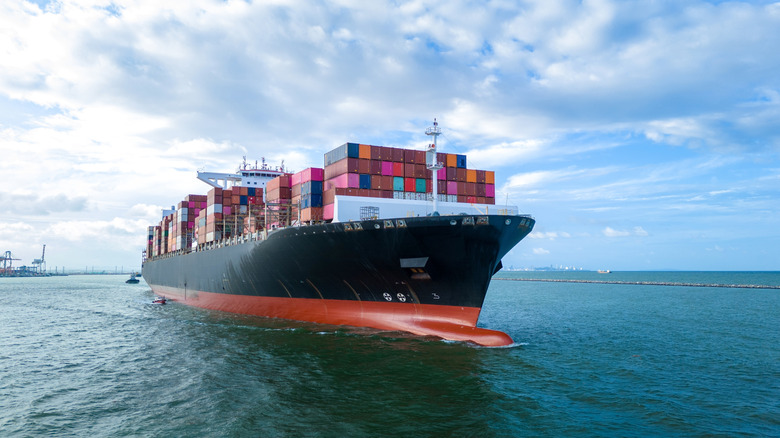
4. How Much Does LCL Shipping to France Cost?
Costs depend on cargo size, weight, and route. Typically, LCL rates are based on CBM.
| Cargo Volume (CBM) | Estimated Cost (USD) | Transit Time | Best For |
|---|---|---|---|
| 1–3 CBM | $150–$270 | 30–35 days | Small importers, trial shipments |
| 4–10 CBM | $250–$800 | 28–33 days | SMEs with growing import needs |
| 11+ CBM | $800+ | 30–38 days | Larger loads still below FCL threshold |
Trusted LCL providers ensure transparent pricing, avoiding hidden charges that can impact overall costs.
5. What Documents Are Required for LCL Imports into France?
Accurate documentation ensures smooth customs clearance. Importers should prepare:
- Bill of Lading (B/L)
- Commercial Invoice
- Packing List
- Certificate of Origin
- Import Declaration (EU-compliant)
- Licenses for restricted goods (if required)
Additionally, experienced freight forwarders assist with verification to prevent clearance delays.
6.How to Ensure Trusted LCL Shipping from China to France?
To guarantee smooth operations, importers should:
- Book early during peak seasons
- Work with reputable freight forwarders
- Double-check packaging and labeling standards
- Submit accurate customs documentation
- Use shipment tracking platforms
When you need trusted LCL shipping from China to France, China Top Freight offers affordable solutions, transparent pricing, and end-to-end customs support. Contact us today for a tailored logistics plan that helps your business grow.
7.Conclusion
In summary, trusted LCL shipping from China to France is the most efficient option for businesses looking to balance cost savings with reliable delivery. With professional freight forwarders, importers benefit from transparent rates, smooth customs clearance, and dependable transit times. For SMEs and growing companies, LCL shipping is a trusted solution to connect Chinese suppliers with the French market.
8. Request a Quote
China Top Freight offers:
- ✅ Origin and Destination Countries
- ✅ Cargo Type and Volume
- ✅ Preferred Transport Method (Air, Sea, Rail, Road)
- ✅ Delivery Timeline
- ✅ Special Handling Requirements (if any)
9. FAQ
1. What is the minimum volume for LCL shipments to France?
Most forwarders accept a minimum of 1 CBM, making it suitable for small orders and trial shipments with lower upfront costs.
2. Can fragile goods be shipped via LCL to France?
Fragile items can be shipped if packaged securely with padding, strong cartons, and clear labels to ensure safe handling during transit.
3. Are LCL shipping rates stable year-round?
Rates fluctuate based on fuel costs, shipping demand, and seasonal congestion. Forwarders help importers plan ahead to avoid unexpected surcharges.
4. Can refrigerated goods be shipped using LCL freight?
Certain forwarders offer reefer LCL options for food and pharmaceuticals, but space is limited and requires advance reservations for availability.
5. Which Incoterms are most common for LCL to France?
FOB, CIF, and EXW are widely used. CIF includes freight and insurance, while FOB shifts responsibility to the buyer after port loading.