

- By kelly
- October 30, 2025
- Logistics, Tips or Guide
Trusted LCL Shipping from Shenzhen to Germany
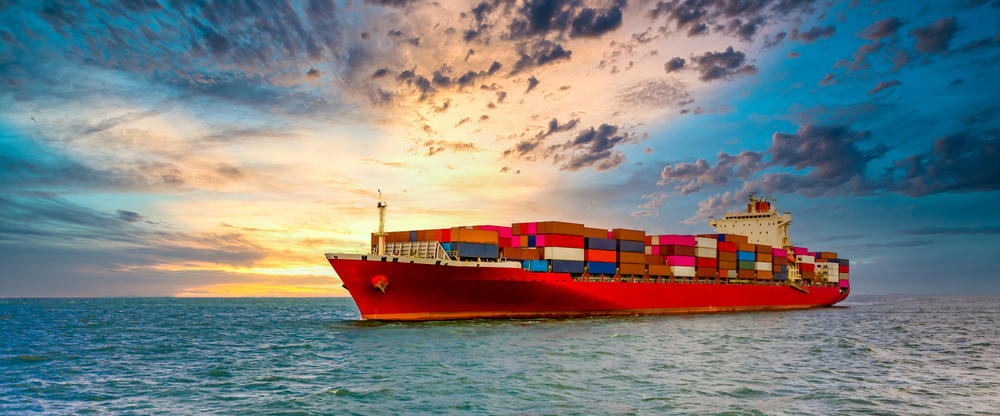
When businesses move cargo from China to Europe, container choices often determine overall costs and delivery schedules. Many companies cannot always fill a full container, making trusted LCL shipping from Shenzhen to Germany an efficient and economical solution. With professional support, LCL shipping ensures compliance with customs, predictable transit times, and reduced risks in international trade.
1. What Is LCL Shipping and Why Does It Benefit Businesses?
Less than Container Load (LCL) allows shippers to share container space with others, paying only for the volume used.
Key benefits include:
- Lower shipping costs for smaller cargo.
- Greater flexibility for seasonal or trial shipments.
- Access to global markets without high capital investment.
- Easier integration with e-commerce and SME supply chains.
2. How Long Does LCL Shipping from Shenzhen to Germany Take?
Transit time depends on carrier schedules, consolidation, and customs clearance.
| Route | Transit Time (Shenzhen → Germany) | Customs Clearance | Notes |
|---|---|---|---|
| Sea Freight (LCL) → Hamburg | 32–40 days | 3–6 days | Main entry for Asia–Europe trade |
| Sea Freight (LCL) → Bremerhaven | 33–42 days | 3–6 days | Automotive and industrial hub |
| Sea Freight (LCL) → Wilhelmshaven | 34–43 days | 3–6 days | Less congestion, newer facilities |
| Air Freight (LCL, ref.) | 5–8 days | 1–2 days | Expensive but fast |
| Rail Freight (Yiwu–Duisburg) | 18–22 days | 2–4 days | Eco-friendly, growing option |
3. What Documents Are Required for Germany Customs?
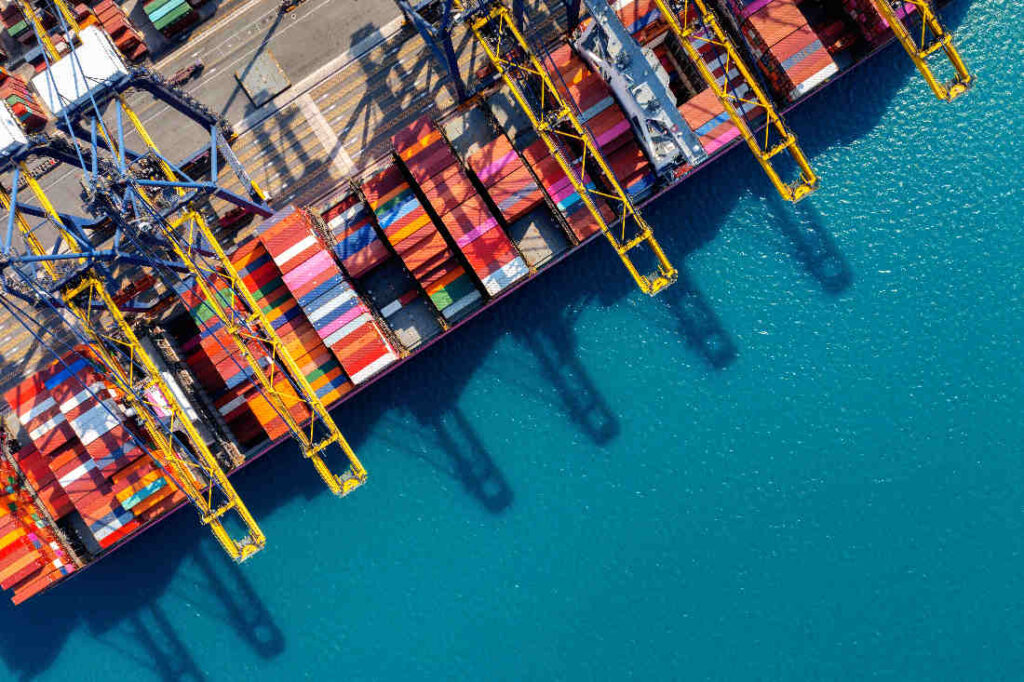
Proper paperwork ensures smooth customs clearance. Missing documents are the top reason for LCL cargo delays.
| Document | Purpose |
|---|---|
| Commercial Invoice | Declares product details, HS codes, and values. |
| Packing List | Provides weights, measurements, and package details. |
| Bill of Lading (B/L) | Legal proof of shipment ownership. |
| Certificate of Origin | Useful for preferential tariff treatment. |
| Import Licenses (if needed) | Required for controlled goods (chemicals, food, medical devices). |
| EUR.1 Certificate | Supports tariff reductions under EU trade deals. |
4. What Duties and Taxes Apply in Germany?
Germany applies common EU tariffs and VAT.
| Charge Type | Typical Rate | Notes |
|---|---|---|
| Import Duties | 0–12% depending on HS classification | Electronics often lower duty rates |
| VAT (MwSt) | 19% standard, 7% reduced | Applied on CIF + duty value |
| Customs Fees | €50–150 per entry | Broker or handling agent charges |
| Port Handling | €100–250 per container share | Varies by port terminal |
5. Why Choose Shenzhen for Germany-Bound LCL?
- Top ports: Yantian, Shekou, and Chiwan handle Europe trade efficiently.
- Manufacturing hub: Electronics, textiles, auto parts dominate exports.
- Competitive rates: High volume drives lower costs.
- Flexible logistics: Access to sea, air, and rail options.
6. How Do You Pick a Trusted LCL Shipping Partner?
When evaluating freight forwarders:
- Look for experience in EU-bound shipments.
- Ensure transparency in LCL pricing per CBM.
- Verify digital tracking and real-time updates.
- Confirm customs expertise for German ports.
- Choose providers with strong consolidation networks.
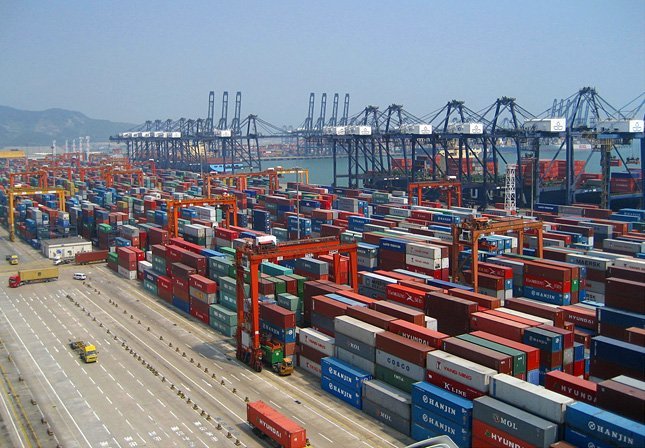
7. How Does LCL Compare with Other Shipping Methods?
| Mode | Cost Estimate | Transit Time | Pros | Cons |
|---|---|---|---|---|
| LCL Sea Freight | USD 40–70/cbm | 32–40 days | Cost-efficient, flexible | Longer transit, more handling |
| FCL Sea Freight | $1,800–3,200 | 28–35 days | Faster loading, less handling | Costly for small loads |
| Air Freight | $5–9/kg | 5–8 days | Fast, reliable | Expensive for bulk |
| Rail Freight | $4–7/kg | 18–22 days | Greener, faster than sea | Limited frequency |
| Express Courier | $8–15/kg | 3–5 days | Easiest, door-to-door | Costly for large shipments |
8. What Are the Challenges with LCL Shipping?
- Consolidation delays if waiting for full container.
- Higher handling risks due to multiple cargoes in one container.
- Complex customs clearance because one error affects the whole container.
- Longer lead times compared with FCL or air freight.
9. How Can You Ensure Smooth Customs Clearance?
- Classify HS codes correctly.
- Double-check invoices and packing lists.
- Use professional freight forwarders with EU experience.
- Pre-pay duties and VAT to avoid clearance delays.
- Ensure packaging withstands multiple handling points.
10. Should You Choose LCL, FCL, or Air Freight?
- LCL: Best for smaller volumes under 15 CBM.
- FCL: Suitable for bulk and high-volume shipments.
- Air Freight: Ideal for urgent, high-value goods.
- Rail: Balanced option for eco-conscious shippers.
📦Get a Free Quote
Shipping smaller volumes shouldn’t mean higher costs or unpredictable delays. With trusted LCL shipping from Shenzhen to Germany, you gain flexibility, cost savings, and reliable customs clearance. Partner with professionals who specialize in EU trade lanes and ensure your cargo arrives on time. Contact us today for competitive quotes.
❓ Frequently Asked Questions
1. How much does LCL shipping from Shenzhen to Germany cost?
Typically USD 40–70 per CBM. Prices vary with season, port of entry, and cargo type.
2. How long does LCL shipping usually take?
Around 32–40 days by sea, including consolidation and customs clearance in Germany.
3. Can I ship fragile goods by LCL?
Yes, with strong packaging. Extra care reduces risks of damage during consolidation and deconsolidation.
4. Do I need a customs broker in Germany?
Highly recommended. Brokers handle EU compliance, VAT, and inspections, avoiding delays.
5. Which products are best suited for LCL?
Consumer goods, electronics, clothing, furniture, and non-perishable items.
Conclusion
The trusted LCL shipping from Shenzhen to Germany route offers businesses flexibility, lower costs, and dependable customs support. By preparing accurate documentation, working with experienced freight forwarders, and choosing the right transport mode, businesses can strengthen supply chains and avoid costly delays. With professional guidance, your cargo moves efficiently and arrives safely at German destinations.