

When it comes to trusted rail freight from China to Germany, businesses seek an ideal balance between cost, speed, and reliability. ChinaTopFreight delivers tailored solutions that ensure your cargo moves swiftly through the heart of Eurasia. With increasing pressure on global supply chains, rail freight is emerging as a preferred logistics strategy for European importers.
1. Why Is Rail Freight from China to Germany So Popular?
In recent years, the demand for rail freight between China and Germany has soared. This route forms a major segment of the Belt and Road Initiative, linking key Chinese industrial hubs with European markets.
Moreover, rail freight offers a middle-ground solution—faster than ocean shipping and cheaper than air freight—making it perfect for medium-value, time-sensitive goods such as electronics, machinery, textiles, and automotive parts.
2. What Are the Benefits of Trusted Rail Freight from China to Germany?
Choosing rail freight offers numerous logistical and operational advantages:
- Cost Efficiency: Significantly cheaper than air freight for large shipments.
- Faster Transit Times: Average delivery in 15–18 days.
- Sustainability: Lower carbon emissions compared to air and road transport.
- Reliability: Consistent schedules with fewer delays than sea shipping.
- Customs Integration: Many services offer DDP (Delivered Duty Paid), handling customs at both ends.
3. How Does the Rail Freight Process from China to Germany Work?
Here’s how shipments are typically handled door-to-door:
- Pickup in China: Freight is collected from your factory or supplier.
- Rail Hub Consolidation: Goods are grouped at key departure cities like Xi’an, Chengdu, or Zhengzhou.
- Transit via Eurasian Corridor: Cargo moves through Kazakhstan, Russia, Belarus, and Poland into Germany.
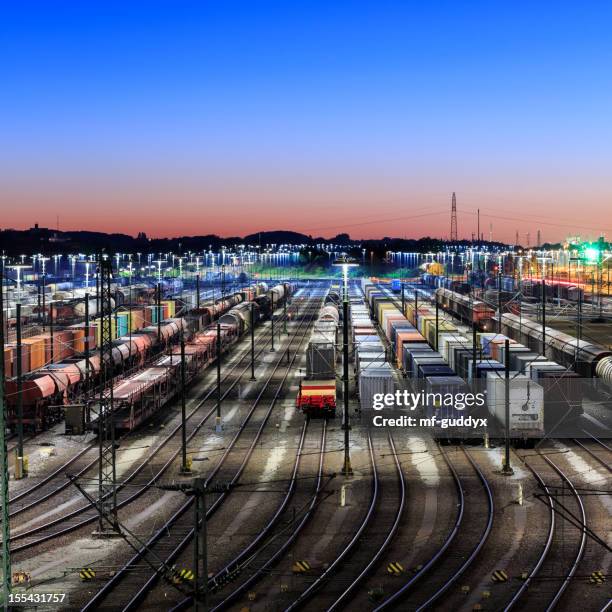
- Arrival at German Hub: Typically Duisburg or Hamburg, the major rail terminals in Germany.
- Last-Mile Delivery: Final delivery is made by truck to the consignee.
4. Which Goods Are Suitable for Rail Freight to Germany?
The rail freight mode best suits:
- Consumer electronics
- Automotive components
- Machinery and industrial parts
- Textiles and fashion items
- Medical equipment
- E-commerce parcels
However, goods such as hazardous materials, liquids, or oversized cargo might require special handling or alternate shipping methods.
5. How Do Costs and Transit Times Compare Across Shipping Modes?
| Shipping Mode | Estimated Cost (USD/CBM) | Transit Time | Use Case | Cons |
|---|---|---|---|---|
| Rail Freight | $120–$180 | 15–18 days | Medium-value goods, mid-urgency | Route-dependent availability |
| Sea Freight | $60–$90 | 30–40 days | Non-urgent bulk shipments | Long lead times, port delays |
| Air Freight | $450–$800 | 5–7 days | High-value, urgent cargo | Expensive, weight limitations |
As shown, rail freight provides the ideal compromise between speed and cost.
6. What Documents Are Required for Rail Shipments to Germany?
Efficient customs clearance depends on proper documentation. Here’s what you’ll need:
| Document | Purpose |
|---|---|
| Commercial Invoice | Details product value and transaction specifics |
| Packing List | Describes cargo dimensions and packaging info |
| Rail Waybill | Acts as the transport contract |
| Certificate of Origin | Identifies the product’s country of manufacture |
| Export/Import Declaration | Required for both Chinese and German customs |
| EORI Number (EU Importer) | Mandatory for importers within the European Union |
7.Conclusion
Choosing trusted rail freight from China to Germany offers the ideal combination of speed, reliability, and affordability. Whether you’re shipping electronics, industrial parts, or fashion goods, this logistics option keeps your supply chain moving efficiently.
With growing demand for sustainable and streamlined transport, rail is no longer just an alternative—it’s a strategic advantage. Partner with ChinaTopFreight to ensure your shipments arrive on time and on budget.
8. Request a Quote
China Top Freight offers:
- ✅ Origin and Destination Countries
- ✅ Cargo Type and Volume
- ✅ Preferred Transport Method (Air, Sea, Rail, Road)
- ✅ Delivery Timeline
- ✅ Special Handling Requirements (if any)
9. FAQ
How frequently do trains run from China to Germany?
Freight trains typically run several times a week from major Chinese rail hubs to German cities like Duisburg and Hamburg.
Can I ship partial cargo loads via rail?
LCL (Less-than-Container Load) rail services allow businesses to ship even small cargo volumes cost-effectively alongside other consignments.
Are there size or weight limits for rail shipments?
Standard container limits apply—typically 28–30 tons per container—though heavy or bulky cargo may require special coordination.
What Incoterms are used for rail freight?
Common Incoterms include EXW, FOB, and especially DDP, where the freight forwarder handles duties and delivery in Germany.
Is cargo insured during rail transport?
Freight insurance is optional but recommended. It covers loss, damage, or delay due to unforeseen events during transit.