

- By kelly
- October 14, 2025
- Logistics, Tips or Guide
Trusted Sea Freight from China to Netherlands: Cost-Effective & Reliable Solutions
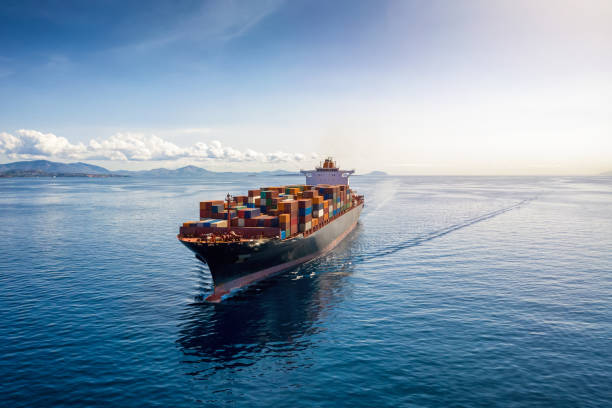
Shipping goods across continents requires careful planning, competitive pricing, and reliable partners. When businesses look for trusted sea freight from China to Netherlands, they seek a balance of cost efficiency, timely deliveries, and smooth customs clearance. With expert freight forwarding solutions, companies can streamline logistics and enhance supply chain performance while reducing risks.
1. Why Choose Trusted Sea Freight from China to Netherlands?
Sea freight remains the most widely used shipping method for heavy and bulk goods. Compared to air freight, it offers significantly lower shipping costs, especially for large volumes. Moreover, container shipping enables secure and scalable transport across international trade routes.
Advantages of Choosing Sea Freight
- Cost-effective for bulk shipments.
- Reliable container schedules.
- Flexibility in full container load (FCL) and less-than-container load (LCL).
- Better suited for heavy or oversized cargo.
2. How Does Sea Freight Work Between China and the Netherlands?
The logistics chain involves several steps:
- Cargo consolidation (for LCL shipments).
- Transport from supplier’s warehouse to Chinese port.
- Ocean shipping from China to Dutch ports such as Rotterdam or Amsterdam.
- Customs clearance and inland distribution within the EU.
Additionally, freight forwarders ensure documentation accuracy, compliance with regulations, and timely tracking updates.
3. What Are the Main Ports for Sea Freight from China to Netherlands?

Major Chinese Ports of Origin
- Shanghai Port – Asia’s largest container hub.
- Shenzhen (Yantian/Shekou) – Strong for electronics and e-commerce cargo.
- Ningbo-Zhoushan – Popular for industrial goods.
- Qingdao & Tianjin – Preferred for northern Chinese exports.
Key Dutch Destination Ports
- Port of Rotterdam – Europe’s largest logistics gateway.
- Port of Amsterdam – Excellent for FMCG and consumer goods.
4. What Are the Shipping Methods Available?
Sea freight between China and Netherlands can be categorized into FCL (Full Container Load) and LCL (Less than Container Load).
| Shipping Method | Cost Efficiency | Transit Time | Pros | Cons |
|---|---|---|---|---|
| FCL (20ft/40ft) | High for large volumes | 30–40 days | Exclusive use, secure | Higher cost if container not filled |
| LCL | Flexible for small cargo | 35–45 days | Pay only for space used | Consolidation delays possible |
| Air Freight | Expensive | 5–10 days | Fast delivery | High cost, limited capacity |
| Rail Freight (China-EU) | Moderate | 18–25 days | Faster than sea, eco-friendly | Limited routes, higher than sea freight |
5. How Much Does Sea Freight from China to Netherlands Cost?
Sea freight costs depend on container size, volume, incoterms, and seasonal demand.
| Container Size | Average Cost (USD) | Cargo Type |
|---|---|---|
| 20ft FCL | $1,200 – $2,200 | General cargo |
| 40ft FCL | $2,200 – $4,000 | Electronics, machinery |
| LCL (per CBM) | $30 – $60 | Small shipments |
Note: Rates fluctuate due to fuel charges, port congestion, and carrier availability.
6. How Long Does It Take? Transit Time Comparison
Transit times vary depending on port pairings, vessel schedules, and customs processing.
| Origin Port (China) | Destination Port (Netherlands) | Average Transit Time |
|---|---|---|
| Shanghai | Rotterdam | 32–36 days |
| Shenzhen | Rotterdam | 34–38 days |
| Ningbo | Rotterdam | 30–35 days |
| Qingdao | Amsterdam | 35–40 days |

7. What Customs Documents Are Required for Sea Freight?
Proper documentation ensures smooth customs clearance.
| Document | Purpose |
|---|---|
| Bill of Lading (B/L) | Proof of shipment and title of goods |
| Commercial Invoice | Declares product value and terms |
| Packing List | Details cargo contents |
| Certificate of Origin | Identifies country of manufacture |
| Import License | Required for restricted goods |
| Customs Declaration | Mandatory entry filing in EU |
8. How to Save Costs on Sea Freight from China to Netherlands?
- Choose LCL for small volumes to avoid paying for unused container space.
- Book early to secure competitive carrier rates.
- Work with a freight forwarder for consolidated shipments.
- Use major ports like Shanghai or Shenzhen for lower freight charges.
- Ensure correct documentation to avoid penalties or delays
9. Should You Choose Sea Freight or Alternatives?
When comparing logistics options, businesses often weigh sea freight against air and rail transport.
| Method | Cost | Transit Time | Ideal For |
|---|---|---|---|
| Sea Freight | Lowest | 30–40 days | Bulk shipments, non-urgent cargo |
| Air Freight | Highest | 5–10 days | Urgent goods, perishable cargo |
| Rail Freight | Moderate | 18–25 days | Medium urgency, eco-friendly cargo |
📦Get a Free Quote
Partnering with the right logistics provider ensures your cargo moves efficiently and securely. If you are looking for trusted sea freight from China to Netherlands, our team provides competitive rates, smooth customs clearance, and end-to-end visibility. Contact us today for a tailored freight solution.
❓ Frequently Asked Questions
Q1: How much does sea freight from China to Netherlands usually cost?
Sea freight costs vary by container size, cargo type, and season. On average, 20ft containers cost $1,200–$2,200, while 40ft containers range from $2,200–$4,000. LCL shipments are billed per CBM, typically $30–$60.
Q2: What is the average shipping time from China to Netherlands by sea?
Transit times typically range between 30 and 40 days depending on the origin port, destination, and vessel schedule. Shanghai and Ningbo routes are usually faster, while northern Chinese ports may take longer.
Q3: Can I ship small cargo using sea freight?
Yes. With LCL (Less than Container Load) shipping, you only pay for the space your cargo occupies. This makes sea freight cost-effective for smaller shipments that don’t fill a full container.
Q4: What documents are needed for customs clearance?
Key documents include Bill of Lading, commercial invoice, packing list, certificate of origin, and customs declaration. For regulated goods, an import license may also be required.
Conclusion
Choosing trusted sea freight from China to Netherlands offers businesses a cost-effective, scalable, and reliable logistics solution. With proper planning, accurate documentation, and professional freight partners, companies can minimize delays, streamline customs, and ensure timely deliveries. Whether shipping bulk FCL cargo or smaller LCL consignments, sea freight remains the backbone of international trade between Asia and Europe.