

When importing goods, businesses need trusted sea freight from China to USA to ensure reliability, cost savings, and compliance. With global competition increasing, choosing a dependable logistics partner can make the difference between profit and costly delays. This guide explores everything importers should know to move goods smoothly.

1. Why Is Trusted Sea Freight from China to USA Important?
Sea freight dominates international trade because it balances affordability with capacity. While air freight is faster, sea freight offers scalable solutions for bulk shipments.
Moreover, with professional support, importers minimize risks, gain transparent cost structures, and secure reliable transit schedules. Therefore, trusted sea freight providers are essential for businesses seeking consistency and long-term supply chain success.
2. How Long Does Sea Freight Take from China to USA?
Transit times vary by port of departure and arrival.
| Route (Port-to-Port) | Average Transit (Days) | Notes |
|---|---|---|
| Shanghai – Los Angeles | 13–16 | Fastest West Coast route |
| Shenzhen – New York | 28–35 | Long route via Panama Canal |
| Ningbo – Houston | 26–30 | Strong option for Gulf Coast distribution |
| Qingdao – Seattle | 15–18 | Efficient for Northern Pacific destinations |
3. What Are the Typical Costs for Sea Freight to the USA?
Costs depend on container type, fuel surcharges, and seasonal demand.
| Container Size | Estimated Cost (USD) | Best Use Case |
|---|---|---|
| 20ft FCL | $1,800–$2,600 | Small-medium volume shipments |
| 40ft FCL | $3,000–$4,200 | Most common for bulk cargo |
| 40ft HQ | $3,300–$4,600 | Ideal for light but voluminous products |
| LCL (per CBM) | $50–$80 | Shipments under 15 CBM, flexible option |
Therefore, importers should factor in customs clearance, terminal handling, and trucking to calculate the total landed cost.
What are you waiting for?
Contact chinatopfreight for a fast, free quote.
Are you ready to book?
Access live instant freight quotes
4. Should You Choose FCL or LCL?
| Method | Advantages | Disadvantages |
|---|---|---|
| FCL | Faster transit, lower unit costs | Requires larger shipment volume |
| LCL | Lower entry costs, good for small loads | Consolidation delays, higher handling risks |
In most cases, regular shippers benefit from FCL, while occasional importers may find LCL more economical.
5. What Customs Documents Are Required for Sea Freight?
Reliable sea freight providers ensure proper documentation.
| Document | Purpose |
|---|---|
| Bill of Lading (B/L) | Legal proof of shipment and cargo ownership |
| Commercial Invoice | Declares product value for customs duties |
| Packing List | Specifies cargo details and packaging information |
| Importer Security Filing | Required by U.S. Customs (10+2 rule) |
6. How Does Sea Freight Compare to Air and Rail Options?
Therefore, sea freight remains the dominant choice for balancing price and shipment capacity.
7. Which U.S. Ports Handle Most Chinese Imports?
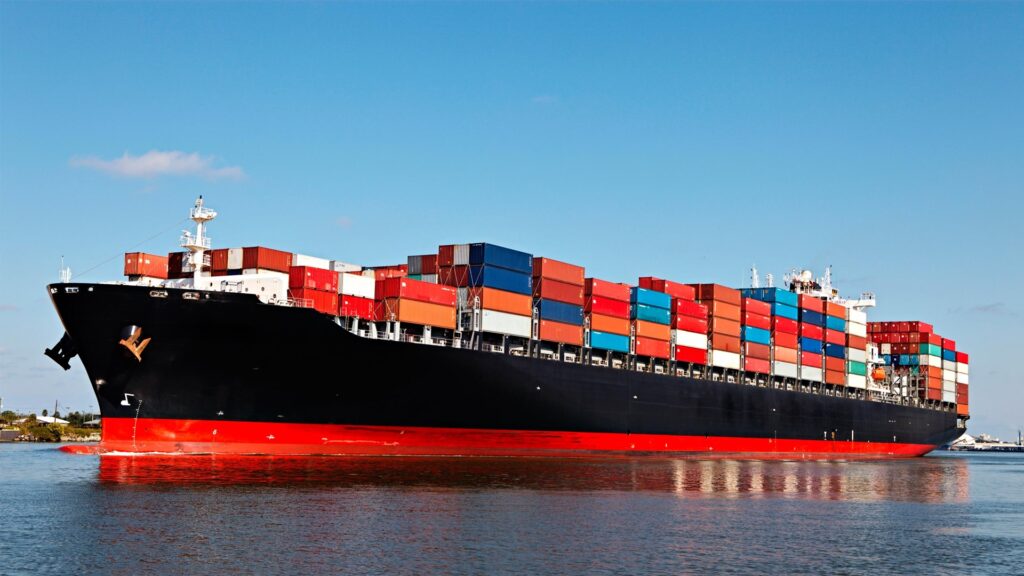
Several major U.S. ports process Chinese sea freight:
- Los Angeles & Long Beach – Largest gateways for West Coast and nationwide rail connections.
- New York/New Jersey – Main hub for East Coast demand.
- Savannah – Rising hub in the Southeast, strong inland connectivity.
- Houston – Excellent for Gulf Coast and Midwest distribution.
Choosing the correct destination port can significantly reduce inland trucking costs.
8. What Role Do Freight Forwarders Play in Trusted Sea Freight?
A trusted freight forwarder provides:
- Carrier booking with reliable shipping lines (Maersk, COSCO, MSC, OOCL).
- Negotiated contract rates for cost savings.
- Customs clearance and duty management.
- Cargo tracking and real-time updates.
- End-to-end logistics support, including trucking and warehousing.
Moreover, forwarders ensure compliance with regulations, preventing penalties and delays.
9. How Can Importers Reduce Delays and Extra Costs?
Importers can minimize risks by:
- Booking containers 2–3 weeks in advance, especially during peak seasons.
- Preparing accurate commercial invoices and HS codes.
- Using trusted sea freight forwarders with U.S. brokerage partners.
- Considering bonded warehouses for flexible duty payment.
- Monitoring carrier performance to avoid congested routes.
Additionally, working with providers offering digital tracking increases visibility and control.
10. What Are the Future Trends in Sea Freight Logistics?
Industry shifts to expect include:
- Sustainability: Growth in low-emission ships and carbon-neutral logistics.
- Digital Transformation: AI-driven supply chain optimization and blockchain documents.
- Resilience: Port diversification to reduce congestion risks.
- End-to-End Integration: Enhanced visibility across ocean, port, and inland trucking.
Therefore, businesses must stay informed to keep their logistics competitive.
Conclusion
In summary, trusted sea freight from China to USA is the cornerstone of efficient international logistics. It provides cost savings, reliability, and compliance for bulk shipments. With the right freight forwarder, businesses can ensure smooth transit, avoid customs delays, and secure a dependable supply chain.
FAQ
Q1: Can I insure my cargo when shipping by sea from China to the USA?
Yes, marine cargo insurance is highly recommended to protect against loss, theft, or damage during international transit.
Q2: Do customs duties vary by product type?
Yes, duties depend on product classification under the U.S. Harmonized Tariff Schedule (HTS). Consulting a broker ensures correct categorization.
Q3: How early should I book trusted sea freight services?
Booking 2–4 weeks before departure is ideal, especially during peak shipping seasons such as pre-holiday surges.
Q4: Can perishable goods be shipped via sea freight?
Yes, but they require refrigerated containers (reefers) to maintain temperature and comply with FDA and USDA regulations.
Q5: What happens if my shipment is held for customs inspection?
Customs may request additional documentation or physical inspection. Delays vary, but working with an experienced broker minimizes issues.