

- By kelly
- October 28, 2025
- Logistics, Tips or Guide
Trusted Sea Freight from Shenzhen to France: Complete Guide
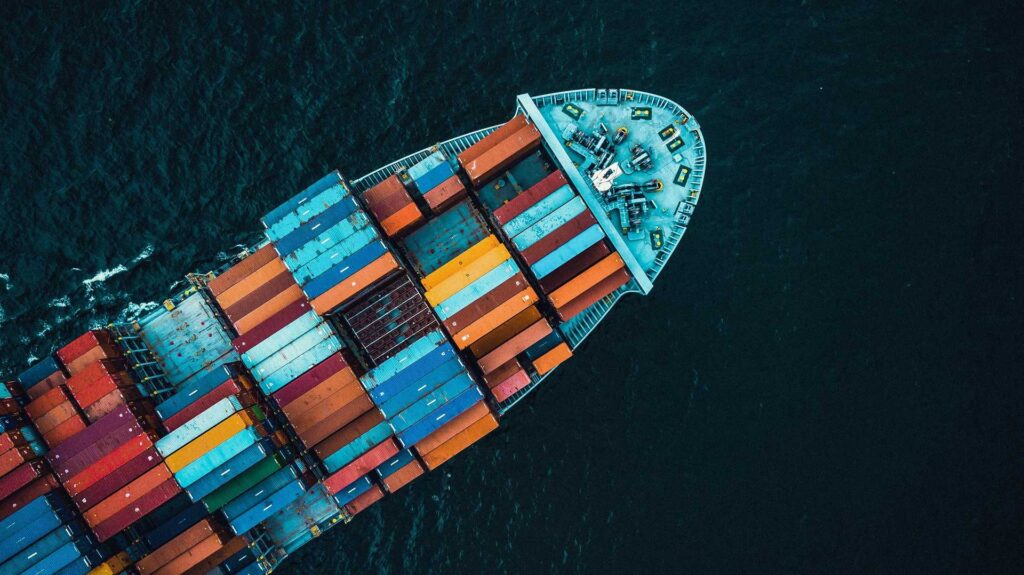
When shipping from China to Europe, finding trusted sea freight from Shenzhen to France is critical for importers who want affordable logistics, predictable transit times, and smooth customs clearance. France, with ports like Le Havre and Marseille, is a vital European gateway, and Shenzhen is one of China’s busiest export hubs. This guide covers costs, documentation, transit schedules, and strategies to ensure reliable shipping between Shenzhen and France.
1. What Is Sea Freight and Why Is It Trusted for Shenzhen–France Trade?
Sea freight involves transporting cargo by container ships. It’s the most common method for global trade because:
- Cost-effectiveness: Lower per-unit cost than air freight.
- High capacity: Ideal for large or bulk shipments.
- Sustainability: Lower carbon footprint compared to air transport.
- Accessibility: Links Shenzhen ports (Yantian, Shekou) with French ports.
For businesses importing electronics, textiles, machinery, or furniture, sea freight ensures both affordability and reliability.
2. How Does Trusted Sea Freight from Shenzhen to France Work?
The process includes multiple steps:
- Goods collected from Shenzhen suppliers.
- Cargo delivered to port terminals (Yantian, Shekou, Chiwan).
- Export customs clearance in China.
- Ocean transport to France (Le Havre, Marseille, Dunkirk).
- Import customs clearance under EU regulations.
- Final inland delivery by truck or rail to French destinations.
With professional freight forwarders, this supply chain becomes seamless and predictable.
3. What Are the Costs of Sea Freight from Shenzhen to France?
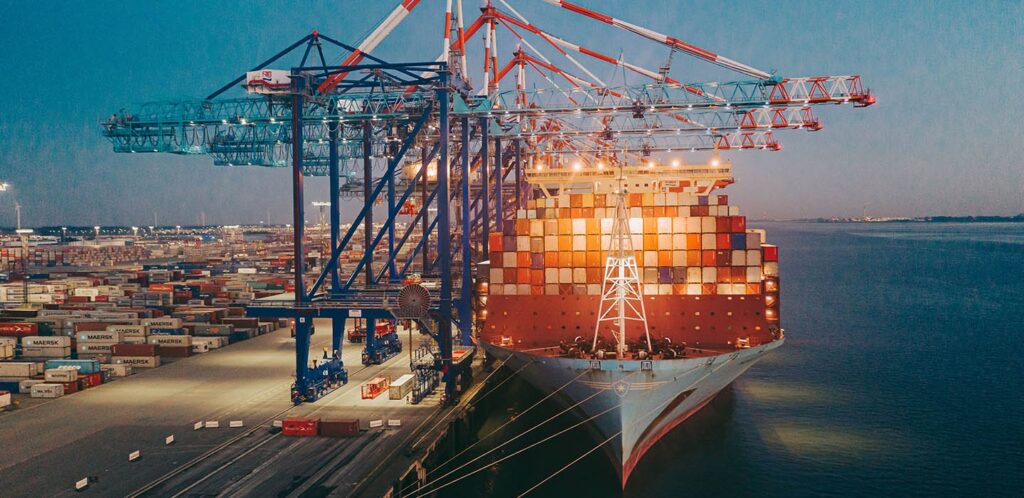
Costs depend on container size, cargo volume, and seasonal demand.
Estimated Container Pricing
| Container Type | Avg. Cost | Capacity | Transit Time |
|---|---|---|---|
| 20ft FCL | $1,200–$1,600 | 25–28 CBM | 28–33 days |
| 40ft FCL | $2,000–$2,600 | 55–58 CBM | 28–33 days |
| 40ft HC | $2,300–$2,900 | 60–65 CBM | 28–35 days |
| LCL (per CBM) | $45–70 | Based on volume | 30–38 days |
Note: Rates fluctuate during peak seasons (Christmas, Chinese New Year).
4. How Long Does Sea Freight Take from Shenzhen to France?
Transit times vary based on routes, port congestion, and customs inspections.
Transit Time by Destination Port
| Destination Port | Estimated Transit Time |
|---|---|
| Le Havre | 28–32 days |
| Marseille | 30–35 days |
| Dunkirk | 31–36 days |
5. What Documents Are Required for Customs Clearance?
Proper paperwork ensures compliance with EU and French regulations.
Customs Documents Checklist
| Document | Required | Notes |
|---|---|---|
| Bill of Lading | Yes | Issued by carrier |
| Commercial Invoice | Yes | With HS codes & value |
| Packing List | Yes | Detailed breakdown |
| Import Declaration (DAU) | Yes | Filed in EU system |
| CE Certificate | Conditional | Electronics, toys, machinery |
| EUR.1 Certificate | Conditional | Preferential tariff benefits |
| Import License | Conditional | For restricted goods |
6. Why Choose Trusted Sea Freight over Air or Rail?
Comparison Table: Shipping Methods (Shenzhen–France)
| Mode | Cost | Transit | Pros | Cons |
|---|---|---|---|---|
| Sea Freight | Low ($1,200–2,900/container) | 28–35 days | Affordable, bulk capacity | Slower |
| Air Freight | High ($6–9/kg) | 5–8 days | Fast, secure | Expensive |
| Rail Freight | Medium ($160–200/CBM) | 20–25 days | Faster than sea | Limited routes to France |

7. Should You Choose FCL or LCL?
- FCL (Full Container Load): Best for large shipments over 15 CBM. Exclusive use, lower risk, faster clearance.
- LCL (Less-than-Container Load): Suitable for smaller shipments. Shared container reduces costs but increases handling risks.
8. How Do Customs Duties and VAT Work in France?
France applies EU customs rules:
- Duties: 0–12% depending on HS codes.
- VAT: 20% standard rate, applied to CIF value (Cost + Insurance + Freight).
- Preferential tariffs: Available with EUR.1 certificates or under GSP schemes.
9. What Are the Common Challenges in Sea Freight?
Importers often face:
- Port congestion causing delays.
- Seasonal rate increases during peak demand.
- Documentation errors leading to customs holds.
- Demurrage and detention charges if containers are not returned on time.
10. How to Ensure Trusted Sea Freight from Shenzhen to France?
- Work with experienced freight forwarders.
- Book early in peak seasons.
- Ensure accurate documentation.
- Use cargo insurance.
- Choose FCL for high volumes to reduce risk.
📦Get a Free Quote
If you need trusted sea freight from Shenzhen to France, our expert team ensures transparent pricing, reliable scheduling, and professional customs clearance. Contact us today for a tailored quote to simplify your supply chain.
❓ Frequently Asked Questions
Q1: How much does trusted sea freight from Shenzhen to France cost?
Costs range from $1,200 for a 20ft container to $2,900 for a 40ft HC. LCL averages $45–70/CBM.
Q2: How long does sea freight shipping to France take?
Transit typically takes 28–35 days, depending on port choice, shipping line, and seasonal congestion.
Q3: Which French ports handle imports from Shenzhen?
Le Havre, Marseille, and Dunkirk are the primary entry points for containerized goods arriving from Shenzhen.
Q4: What documents are needed for customs clearance in France?
Essential documents include Bill of Lading, Commercial Invoice, Packing List, and Import Declaration. CE certificates may apply.
Q5: Is FCL better than LCL for sea freight?
Yes. FCL is faster, safer, and more cost-effective for shipments over 15 CBM, while LCL is best for smaller volumes.
Conclusion
For businesses importing in bulk, trusted sea freight from Shenzhen to France offers the ideal balance of cost, reliability, and efficiency. With accurate documentation, experienced freight partners, and strong port infrastructure in both Shenzhen and France, sea freight ensures a smooth supply chain.
By selecting the right freight forwarder, importers benefit from transparent pricing, professional customs support, and timely delivery—making sea freight the most strategic choice for large-scale trade between China and France.