

- By kelly
- October 1, 2025
- Logistics, Tips or Guide
Trusted Sea Freight from Shenzhen to Netherlands: Complete Shipping Guide
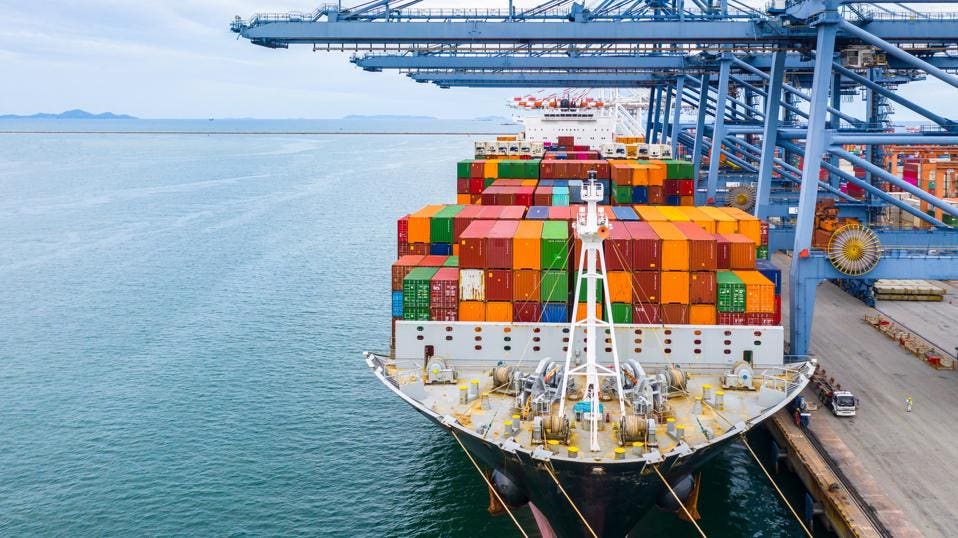
For companies importing goods to Europe, choosing trusted sea freight from Shenzhen to Netherlands ensures cost savings, secure delivery, and dependable supply chains. With Shenzhen as one of China’s busiest ports and the Netherlands as a strategic logistics hub, this shipping route offers efficiency and competitive advantages for international businesses.
1. Why Choose Sea Freight from Shenzhen to the Netherlands?
Sea freight is the most cost-effective option for bulk shipments. Moreover, the Netherlands—home to Rotterdam, one of the largest ports in Europe—provides excellent connectivity to the EU market. Therefore, importers benefit from reduced logistics costs, smooth customs clearance, and easy onward distribution to Germany, Belgium, France, and beyond.
2. How Long Does Sea Freight from Shenzhen to the Netherlands Take?
Transit time depends on the route, carrier schedules, and port operations.
| Destination Port (NL) | Average Transit Time | Notes |
|---|---|---|
| Rotterdam | 28–32 days | Main European gateway |
| Amsterdam | 30–34 days | Smaller but efficient port |
| Eemshaven | 32–36 days | Suitable for northern EU cargo |
Delays may occur during peak shipping seasons or customs inspections, but sea freight remains predictable for planning inventory and supply chains.
3. How Does Sea Freight Compare with Air and Rail Transport?
| Method | Transit Time | Cost Level | Pros | Cons |
|---|---|---|---|---|
| Sea Freight | 28–36 days | Low | Cost-effective, ideal for bulk | Longer transit |
| Air Freight | 5–7 days | High | Fastest delivery, reliable | Expensive for heavy cargo |
| Rail Freight | 18–22 days | Medium | Quicker than sea, eco-friendly | Limited availability |
While air freight is faster, sea freight provides significant savings, making it the most popular choice for importers moving large volumes.
4. What Are the Costs of Sea Freight from Shenzhen to Netherlands?
Costs are influenced by container size, cargo type, and shipping season.
| Container Size | Average Cost (USD) | Best Use |
|---|---|---|
| 20ft Standard | $1,800–$2,300 | Medium cargo volumes |
| 40ft Standard | $2,900–$3,600 | Larger shipments |
| 40ft High Cube | $3,200–$3,900 | Light but high-volume goods |
Importers must also budget for port handling, customs duties, and inland trucking in the Netherlands.
5. What Documents Are Required for Customs Clearance in the Netherlands?
| Document | Purpose |
|---|---|
| Bill of Lading | Proof of shipment |
| Commercial Invoice | Declares cargo value |
| Packing List | Identifies contents |
| Certificate of Origin | Confirms production country |
| Import License (if needed) | Required for restricted goods |
Accurate paperwork is vital for avoiding clearance delays and penalties.
6. Can All Types of Goods Be Shipped by Sea Freight?
Sea freight is highly versatile. It can handle electronics, textiles, machinery, chemicals, and perishable items using reefer containers. However, dangerous goods require compliance with IMDG (International Maritime Dangerous Goods) regulations and special permits.
7. How to Reduce Sea Freight Costs from Shenzhen to Netherlands?
- Plan shipments early to avoid peak season surcharges.
- Consolidate goods into FCL (Full Container Load) to maximize space.
- Use Rotterdam for faster clearance and distribution efficiency.
- Partner with experienced freight forwarders for better carrier contracts.
8. Should You Choose FCL or LCL Shipping?
| Shipping Type | Best For | Advantages | Limitations |
|---|---|---|---|
| FCL | Large volumes | Secure, faster clearance | Higher upfront cost |
| LCL | Small volumes | Flexible, share costs | Longer handling time |
FCL is ideal for big shipments, while LCL is suitable for smaller loads or startups.
9. What Are the Pros and Cons of Sea Freight?
| Pros | Cons |
|---|---|
| Lowest cost per unit | Longest transit time |
| Handles all cargo types | Risk of port congestion |
| Reliable and scalable | Requires accurate documentation |
| Eco-friendly option | Sensitive to global trade disruptions |
10. How Does the Netherlands Strengthen Supply Chains?
The Netherlands is a logistics powerhouse. With Rotterdam as a central hub, shipments quickly connect to inland European markets. Moreover, advanced customs procedures, bonded warehouses, and efficient rail/truck links ensure faster clearance and distribution.
📦Get a Free Quote
Choosing trusted sea freight from Shenzhen to Netherlands provides the ideal balance of cost, reliability, and access to Europe’s strongest logistics hub. If you need competitive rates, transparent processes, and professional support, our team is ready to provide tailored solutions for your cargo. Contact us today to request a free quote.
❓ Frequently Asked Questions
Q1: What is the average sea freight transit time from Shenzhen to Rotterdam?
Transit usually takes 28–32 days depending on carrier schedule and port efficiency.
Q2: Can small businesses use sea freight for imports?
Yes, LCL services let small businesses share container space at affordable rates.
Q3: What factors influence shipping costs to the Netherlands?
Container size, cargo type, seasonal demand, and carrier availability affect final freight rates.
Q4: Are reefer containers available for perishable goods?
Yes, refrigerated containers can transport food, medicine, and temperature-sensitive cargo safely.
Q5: Do I need a freight forwarder for sea shipping?
Working with a forwarder simplifies booking, customs clearance, and inland delivery.
Conclusion
In conclusion, trusted sea freight from Shenzhen to Netherlands is the most efficient option for bulk shipments entering Europe. With competitive pricing, secure handling, and Rotterdam’s gateway to EU markets, importers can optimize supply chains and reduce costs. Partnering with a reliable forwarder ensures smooth customs clearance and timely delivery.