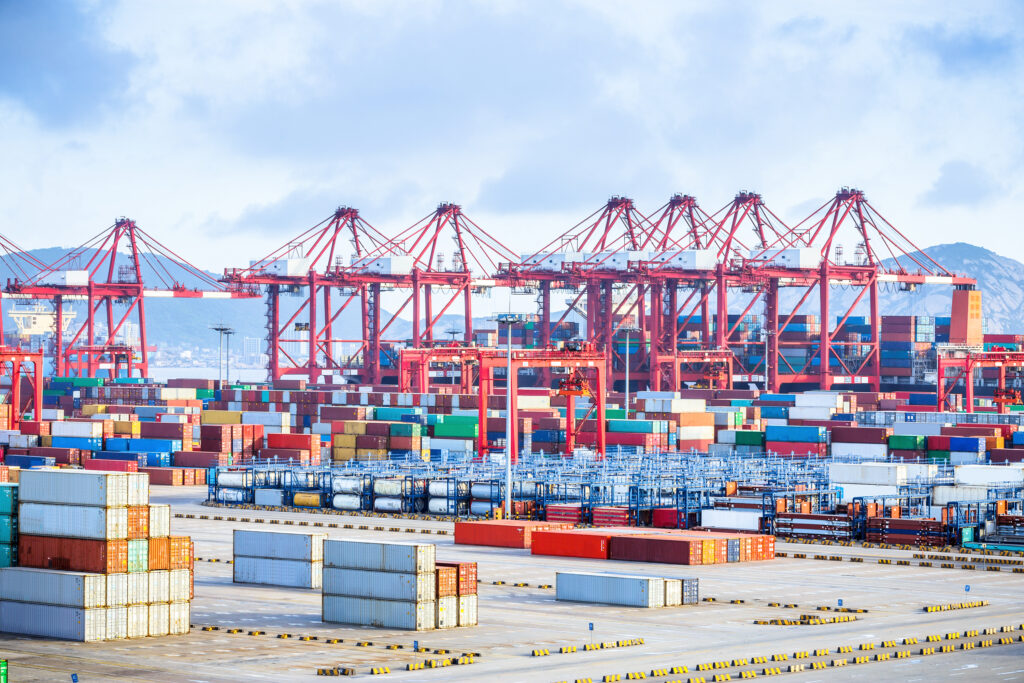
Understanding China import tariffs is essential for businesses involved in international trade with China. Import tariffs impact the overall cost of goods, influence pricing strategies, and affect supply chain decisions. Whether you are importing raw materials, finished products, or machinery, knowing how tariffs are calculated and applied can save your business money and prevent unexpected delays. China’s complex tariff system includes standard customs duties, value-added tax (VAT), and other fees that vary by product category and country of origin.
China import tariffs are taxes imposed by the Chinese government on goods brought into the country from abroad. These tariffs serve multiple purposes:
Protecting domestic industries from foreign competition
Generating government revenue
Regulating trade flows
Tariffs are generally calculated as a percentage of the goods’ customs value, which includes the cost of the product, insurance, and freight (CIF).
Key Types of Import Tariffs in China
Customs Duty
The primary tariff charged on most imported goods, varying widely by product. For example, consumer electronics often have lower duties, while textiles and agricultural products may face higher rates.
Value-Added Tax (VAT)
Most imports are subject to VAT in China, typically ranging from 9% to 13%, calculated on the value plus customs duty.
Consumption Tax
Applied to luxury items such as alcohol, tobacco, and high-end vehicles.
How China Import Tariffs Affect Your Shipping Costs
When importing goods into China, tariffs are a crucial part of the landed cost. This means your freight charges, customs duties, VAT, and any additional fees together determine the final expense of getting your products into Chinese markets. Understanding China import tariffs helps you:
Accurately budget your total import costs
Decide between different suppliers or sourcing countries
Choose appropriate shipping methods (air, sea, rail) to balance cost and timing
Common Goods and Their Tariff Rates
Product Category
Typical Import Tariff Rate
Remarks
Electronics
0% – 10%
Generally low due to tech focus
Textiles & Apparel
10% – 25%
Higher tariffs apply
Automobiles
15% – 25%
Also subject to consumption tax
Machinery & Equipment
5% – 10%
Moderate tariffs
Agricultural Products
10% – 50%
High tariffs to protect farmers
Impact of Free Trade Agreements (FTAs)
China has signed multiple FTAs that reduce or eliminate tariffs with partner countries, such as ASEAN nations, Australia, and Switzerland. These agreements can significantly lower your China import tariffs if your goods meet rules of origin requirements.
How to Calculate China Import Tariffs
Determine the product’s HS code (Harmonized System code).
Find the applicable customs duty rate for that HS code.
We ensure your agent Chinais handled with maximum care and transparency.
ndustries We Serve
We’ve handled agent China for:
Amazon Sellers (FBA)
E-commerce businesses
Industrial equipment
Apparel and textiles
Consumer electronics
Automotive parts
Final Thoughts
Understanding China import tariffs is vital for any business importing goods into China. By knowing the tariff structure, relevant rates, and how to calculate duties and taxes, importers can better manage costs and streamline customs clearance. Partnering with experienced freight forwarders and customs brokers ensures compliance and helps optimize your overall supply chain efficiency.
FAQ
1: Can tariffs be reduced by declaring a different HS code?
No, HS codes must accurately reflect the product.
2: Are import tariffs refundable?
Usually not, unless goods are re-exported.
3: Does China charge tariffs on all imports?
Some goods are duty-free under special policies.
4: How often do tariff rates change?
Tariffs can change annually or with new trade policies.
5: Do tariffs apply to gifts or samples?
Small-value gifts or samples may be exempt or taxed at lower rates.