

When businesses face tight deadlines, urgent delivery China to Middle East becomes a top priority. Whether it’s critical medical supplies, automotive parts, or e-commerce goods, delays can disrupt supply chains and hurt profitability. Fortunately, multiple shipping options—air, express, sea, and multimodal—allow importers to balance cost and speed while ensuring cargo arrives on schedule. This guide explains costs, transit times, customs requirements, and practical strategies for meeting urgent shipping needs.
1. What Makes Urgent Delivery from China to the Middle East Challenging?
Urgent shipments often involve stricter timelines, complex customs clearance, and unpredictable logistics conditions. Factors such as distance, port congestion, and varying infrastructure in Middle Eastern countries can cause unexpected delays. Moreover, balancing fast transit time with reasonable shipping costs is often difficult. Businesses must evaluate multiple freight options to determine the best fit for urgent deliveries.
2. Which Shipping Methods Are Best for Urgent Delivery China to Middle East?
| Shipping Method | Transit Time | Average Cost | Pros | Cons |
|---|---|---|---|---|
| Express Courier (DHL/UPS/FedEx) | 2 – 5 days | $7 – $12 per kg | Fastest, door-to-door, tracking included | High cost, limited by weight/size |
| Air Freight | 3 – 7 days | $4 – $8 per kg | Fast, ideal for high-value urgent shipments | Requires customs handling on both sides |
| Sea Freight (Expedited LCL/FCL) | 15 – 25 days | $35 – $60 per CBM | Economical for larger urgent loads | Slower compared to air or courier |
| Multimodal (Air + Truck) | 7 – 12 days | Varies | Combines air and ground transport for balance | Requires complex coordination |
3. How Much Does Urgent Shipping Cost from China to the Middle East?
Costs vary by method, cargo weight, and destination.
| Destination Country | Express Courier (per kg) | Air Freight (per kg) | Sea Freight (per CBM) |
|---|---|---|---|
| UAE (Dubai) | $7 – $10 | $4 – $6 | $40 – $55 |
| Saudi Arabia | $8 – $12 | $5 – $7 | $45 – $60 |
| Qatar | $7 – $11 | $5 – $7 | $42 – $58 |
| Kuwait | $8 – $12 | $6 – $8 | $40 – $55 |
| Oman | $7 – $11 | $5 – $7 | $38 – $52 |
Note: Rates increase during peak shipping seasons such as Ramadan, Eid, and year-end holidays.
What are you waiting for?
Contact chinatopfreight for a fast, free quote.
Are you ready to book?
Access live instant freight quotes
4. How Long Does Urgent Delivery Take from China to the Middle East?
| Route (China Origin – Middle East Destination) | Express Courier | Air Freight | Sea Freight (Fast Service) |
|---|---|---|---|
| Shanghai – Dubai | 2 – 3 days | 4 – 6 days | 18 – 22 days |
| Shenzhen – Riyadh | 3 – 4 days | 5 – 7 days | 20 – 25 days |
| Guangzhou – Doha | 2 – 4 days | 4 – 6 days | 17 – 23 days |
| Ningbo – Jeddah | 3 – 5 days | 6 – 7 days | 19 – 24 days |
5. What Documents Are Needed for Customs Clearance?
| Document | Purpose |
|---|---|
| Commercial Invoice | Declares value and details of goods |
| Packing List | Specifies cargo dimensions and weight |
| Air Waybill (AWB) / Bill of Lading (B/L) | Transport contract, proof of shipment |
| Certificate of Origin | Required for preferential tariffs under trade agreements |
| Import Permit (for restricted goods) | Needed for items like electronics, pharma, chemicals |
| HS Code Classification | Ensures correct duties and taxes |
6. Why Is Air Freight Often the Best Choice for Urgent Delivery?
Air freight balances speed and cost more effectively than other methods. While not as fast as courier, it accommodates heavier shipments at lower per-unit cost. Additionally, major Middle Eastern hubs like Dubai, Doha, and Riyadh have strong infrastructure, making customs clearance faster compared to smaller airports.
7. Can Sea Freight Work for Urgent Delivery Needs?
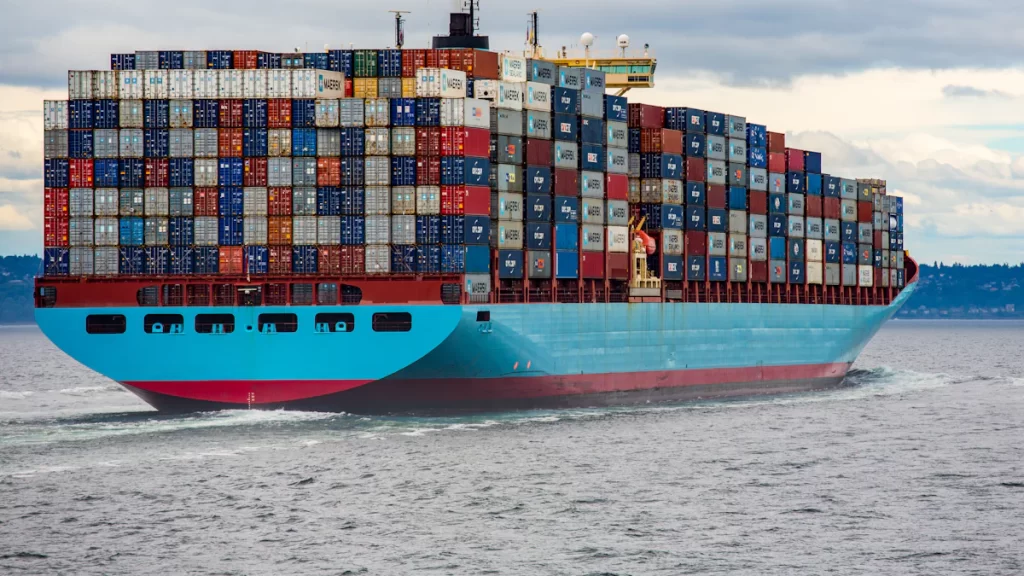
Although sea freight is slower, expedited LCL/FCL services are sometimes used for larger urgent shipments. Many importers combine sea and air freight (sea-air multimodal) for cost control while maintaining quicker transit.
8. What Are the Pros and Cons of Shipping Methods?
| Mode | Pros | Cons |
|---|---|---|
| Express Courier | Fastest, reliable, door-to-door | Expensive, weight restrictions |
| Air Freight | Balanced cost/speed, suitable for heavier cargo | Requires customs clearance on both ends |
| Sea Freight | Economical for bulky cargo | Too slow for strict deadlines |
| Multimodal | Flexible, combines strengths of different modes | More complex coordination |
9. Which Products Commonly Require Urgent Delivery?
- Pharmaceuticals and medical equipment
- Automotive spare parts
- Electronics and semiconductors
- Fashion and apparel for retail deadlines
- E-commerce shipments during sales campaigns
10. How Do Customs Duties and Taxes Affect Urgent Shipments?
Middle Eastern countries apply import duties and VAT (ranging 5–15%) depending on product category. HS codes determine applicable tariffs. Delays often occur if HS codes are misclassified, so importers should ensure accuracy to avoid extra clearance time.
11. Should Businesses Use Freight Forwarders for Urgent Shipping?
Yes. Experienced freight forwarders streamline the process by coordinating with carriers, preparing documents, and ensuring smooth clearance. For urgent delivery, having a professional handle logistics reduces delays and increases reliability.
Conclusion
In global trade, timing is everything. Urgent delivery China to Middle East allows businesses to meet deadlines, maintain supply chain stability, and satisfy customer demands. With air freight, express courier, multimodal, and even expedited sea services available, importers have flexible choices depending on urgency and budget. By preparing documents correctly and partnering with reliable freight forwarders, companies can minimize risks and ensure smooth, fast deliveries.
FAQ
Q1: What is the fastest way to send goods from China to the Middle East?
The fastest option is express courier (2–5 days), ideal for small, urgent shipments such as samples, documents, or lightweight commercial goods.
Q2: Can urgent shipments be consolidated with other cargo?
Yes, but consolidation may delay departure. For time-sensitive cargo, dedicated air freight or courier services are recommended to avoid additional waiting time.
Q3: How can I reduce customs delays in urgent deliveries?
Ensure accurate HS codes, provide all required documents, and pre-clear shipments when possible. Partnering with a freight forwarder also speeds up clearance.
Q4: Do airlines prioritize urgent shipments?
Yes, airlines offer “priority cargo” services with guaranteed space allocation, faster handling, and preferential loading, though these services come at a premium.
Q5: Is multimodal shipping reliable for urgent cargo?
Yes, combining air and ground or sea-air solutions balances cost and transit time, making it a practical alternative for large but time-sensitive shipments.