

Shipping auto parts from China to Europe requires strict documentation, compliance, and logistics precision. Knowing exactly what documents needed for auto parts from China to Europe helps avoid costly customs delays and ensures your shipment reaches its destination smoothly. At ChinaTopFreight, we provide full-service logistics support, handling documentation, customs clearance, and delivery for automotive exporters and importers worldwide.
1. Why Are Documents Crucial When Shipping Auto Parts Internationally?
Proper documentation is essential for customs clearance and legal compliance. Moreover, the right paperwork ensures tax accuracy, product traceability, and smooth transportation across borders.
Key benefits of accurate documentation:
- Prevents customs detention and penalties.
- Ensures correct duty calculation.
- Confirms product authenticity and origin.
- Enables seamless insurance claims in case of damage or loss.
Without complete documentation, shipments can face long delays or even confiscation by European customs authorities.
2. What Are the Essential Documents Needed for Auto Parts from China to Europe?
| Document | Purpose | Issued By | Required For |
|---|---|---|---|
| Commercial Invoice | Declares goods value, description, and seller/buyer info | Exporter | Customs clearance & tax calculation |
| Packing List | Details package quantity, weight, and dimensions | Exporter | Physical inspection verification |
| Bill of Lading (B/L) | Confirms shipment ownership & transport contract | Carrier | Proof of shipment |
| Certificate of Origin (CO) | Verifies manufacturing origin of goods | Chamber of Commerce | Determines tariff rates |
| CE Compliance Certificate | Confirms EU product safety compliance | Manufacturer | EU market entry |
| Insurance Certificate | Covers potential loss or damage | Insurer | Risk management |
| Customs Declaration | Details goods classification and value | Exporter or Broker | Export approval |
| Import License (if applicable) | Required for restricted vehicle parts | EU Importer | Specific import control items |
Ensuring these documents are accurate and consistent across all paperwork is critical to prevent
3.What Are the Best Shipping Methods for Auto Parts from China to Europe?
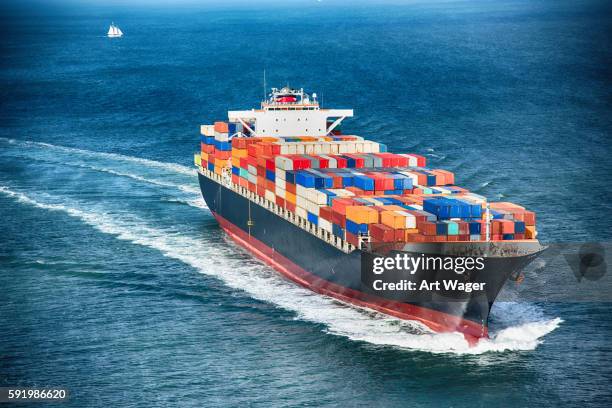
Different shipping methods offer varying advantages depending on urgency, volume, and budget.
| Method | Cost Level | Transit Time | Suitable Cargo | Advantages | Disadvantages |
|---|---|---|---|---|---|
| Sea Freight | Low | 25–40 days | Bulk shipments | Cost-effective, large volume | Long transit time |
| Rail Freight | Medium | 18–25 days | Medium to large | Faster, eco-friendly | Limited routes |
| Air Freight | High | 5–10 days | Urgent small parts | Fast, reliable | Expensive |
| Courier (DHL, UPS) | Very High | 3–7 days | Samples, spare parts | Convenient | High cost |
Therefore, sea or rail freight is ideal for large-volume auto parts, while air freight suits urgent or valuable components.
📌4. What Is the Role of the Commercial Invoice in Auto Parts Shipping?
The Commercial Invoice serves as the foundation for your shipment. It provides financial and product information used for tax and duty assessment.
It must include:
- Seller and buyer details
- Invoice number and date
- Product description and HS codes
- Unit and total price
- Country of origin
- Incoterms (FOB, CIF, DAP, etc.)
- Payment terms
Incorrect invoice data can lead to under- or over-valuation penalties. Therefore, exporters must ensure the invoice matches the packing list and bill of lading exactly.
5.Why Is the Certificate of Origin Important for Auto Parts Exports?
The Certificate of Origin (CO) verifies the product’s country of manufacture and determines applicable tariffs or preferential duties.
Under the EU–China trade arrangements, a CO can reduce or eliminate import duties for qualifying products.
It should include:
- Exporter and importer information
- Detailed product description
- Country of manufacture
- Certifying authority seal
This document is crucial for importers to claim preferential trade treatment.
6.How to Avoid Delays in Auto Parts Shipping from China to Europe?
To prevent delays, focus on compliance, coordination, and timing.
Tips:
- Submit complete documents before departure.
- Use harmonized HS codes.
- Schedule shipments early during peak seasons.
- Work with an experienced freight forwarder.
- Verify CE and REACH compliance before export.
7.Conclusion
Understanding what documents needed for auto parts from China to Europe is essential for avoiding customs complications and ensuring efficient delivery. From commercial invoices to CE certifications, every detail matters. With accurate paperwork, proper compliance, and a trusted freight partner like ChinaTopFreight, your shipments can move seamlessly across borders — saving time, money, and effort while ensuring your auto parts reach European markets securely and on schedule.
8. Request a Quote
China Top Freight offers:
- ✅ Origin and Destination Countries
- ✅ Cargo Type and Volume
- ✅ Preferred Transport Method (Air, Sea, Rail, Road)
- ✅ Delivery Timeline
- ✅ Special Handling Requirements (if any)
9. FAQ
1. Do I need CE certification for all auto parts exported to Europe?
All automotive parts that affect safety or contain electronics must carry CE or equivalent EU compliance certificates before import.
2. What is the difference between a Bill of Lading and a Commercial Invoice?
A Bill of Lading proves shipment ownership, while a Commercial Invoice details product value for customs and tax calculations.
3. How long does customs clearance take in Europe for auto parts?
Typically, clearance takes 1–3 days if all documentation is accurate, but inspections may extend it to 5 days.
4. Can I ship used auto parts from China to Europe?
Used parts require additional inspection and must comply with EU environmental and safety standards to prevent entry rejection.
5. What taxes apply when importing auto parts into Europe?
Import duty (2–6%) plus local VAT (5–25%) depending on the EU country’s tax system and product classification.