

- By kelly
- October 20, 2025
- Logistics, Tips or Guide
What Documents Needed for Clothing from China to UK – Complete Trade Guide
When importing apparel, knowing what documents needed for clothing from China to UK is essential for smooth customs clearance. Missing or incorrect paperwork can lead to delays, penalties, or cargo rejection. This guide outlines the required export and import documents, shipping methods, customs regulations, and cost-saving strategies for the clothing supply chain.
1. What Documents Are Required to Import Clothing from China to the UK?
To legally import textiles and apparel into the UK, you must prepare:
| Document | Purpose |
|---|---|
| Commercial Invoice | States buyer/seller details, HS code, product value. |
| Packing List | Lists number of cartons, sizes, and weights. |
| Bill of Lading / Airway Bill | Proof of transport by sea or air. |
| Certificate of Origin (CO) | Required for preferential tariffs and origin verification. |
| Export Declaration (China) | Filed electronically with Chinese customs. |
| UK EORI Number | Needed for import clearance into the UK. |
| Import License | Required if clothing contains restricted textiles or materials. |
| Insurance Certificate | Protects against transit risks. |
2. Why Is Documentation Important in China–UK Clothing Trade?
Proper documentation:
- Ensures compliance with both Chinese export and UK import laws.
- Prevents long clearance delays at ports such as Felixstowe, Southampton, and London Gateway.
- Reduces financial risks from demurrage or fines.
- Allows importers to claim preferential duty rates under trade agreements.
3. How Much Does It Cost to Ship Clothing from China to the UK?
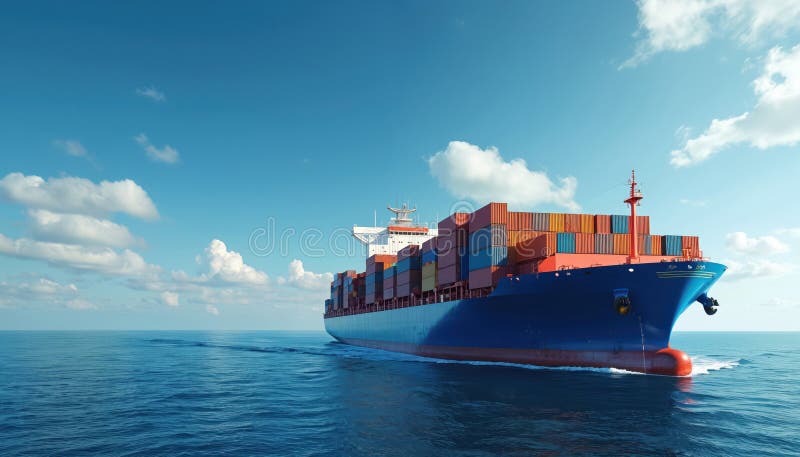
Shipping costs vary depending on method, cargo type, and delivery terms.
| Shipping Mode | Avg. Cost (USD) | Transit Time | Best For |
|---|---|---|---|
| Sea Freight (FCL 20FT) | $1,900 – $2,800 | 30–35 days | Bulk apparel |
| Sea Freight (FCL 40FT) | $3,200 – $4,800 | 30–35 days | Large clothing orders |
| LCL (per CBM) | $100 – $150 | 32–40 days | Small or mixed loads |
| Air Freight | $5 – $7/kg | 5–9 days | High-value or urgent orders |
| Courier / Express | $7 – $10/kg | 3–5 days | Small packages, samples |
4. What Are the Transit Times from China to UK for Clothing?
| Origin Port | UK Port | Sea Transit | Air Transit |
|---|---|---|---|
| Shanghai | Felixstowe | 30–33 days | 5–7 days |
| Shenzhen | Southampton | 28–32 days | 5–7 days |
| Ningbo | London Gateway | 31–35 days | 6–8 days |
| Qingdao | Manchester (via air) | 33–36 days | 6–9 days |
5. Do You Need a Certificate of Origin for Clothing?
Yes. The UK requires a Certificate of Origin for clothing imports. It:
- Confirms goods were manufactured in China.
- Allows duty reductions under trade agreements.
- Helps classify textile imports under HS codes.
6. How Should You Prepare a Commercial Invoice for UK Customs?
The invoice must include:
- Seller/exporter and buyer/importer details.
- Product description and HS codes.
- Quantity, unit value, and total value.
- Incoterms (FOB, CIF, DDP).
- Country of origin: China.
- Signature and official stamp.
7. What Are the Pros and Cons of Different Freight Modes for Clothing?
| Mode | Pros | Cons |
|---|---|---|
| Sea Freight | Cheapest, best for bulk | Long transit times |
| Air Freight | Fast and reliable | High cost |
| Courier/Express | Convenient door-to-door | Limited for bulk cargo |
| Rail Freight (via EU hubs) | Balanced cost and speed | Extra customs steps post-Brexit |
8. What Customs Duties and Taxes Apply on Clothing in the UK?
- Import Duty: 8–12% on apparel depending on material.
- VAT (Value Added Tax): 20% standard rate applied on CIF value + duty.
- Additional Fees: May apply for textile quota or restricted materials.
9. What Common Mistakes Happen in Clothing Import Documentation?
- Incorrect HS codes for textiles.
- Missing EORI number for UK importer.
- Not including size and fabric details in invoices.
- Lack of CE/UKCA labeling for children’s wear or protective clothing.
- Shipping under wrong Incoterms, causing cost disputes.
10. Which Shipping Method Is Best for Clothing?
- Large retailers prefer sea freight for cost efficiency.
- Fast fashion brands often use air freight to shorten supply chain cycles.
- Online sellers rely on courier services for small batch delivery.
11. Customs Documents Checklist for Clothing
| Required Document | Verified By |
|---|---|
| Commercial Invoice | UK Customs |
| Packing List | Freight Forwarder & Customs |
| Bill of Lading / AWB | Carrier |
| Certificate of Origin | Chamber of Commerce |
| Insurance Certificate | Importer/Bank |
| EORI Number | HMRC |
12. How Do Incoterms Affect Clothing Documentation?
- FOB (Free on Board): Exporter handles Chinese customs; buyer handles UK import.
- CIF (Cost, Insurance, Freight): Exporter arranges sea freight and insurance.
- DDP (Delivered Duty Paid): Exporter manages all paperwork until delivery in the UK.
13. What Special Requirements Apply to Clothing Shipments?
- Labeling: Must comply with UK textile labeling regulations (fabric composition, care instructions).
- Restricted Items: Fur, leather, or flame-retardant textiles may require additional permits.
- Product Safety: Children’s clothing must meet strict fire safety and choking hazard standards.
📦Get a Free Quote
If you are planning to import apparel, our experts handle what documents needed for clothing from China to UK with accuracy, ensuring compliance, avoiding delays, and reducing costs. Contact us today for a tailored logistics solution.
❓ Frequently Asked Questions
1. What is the average cost of a 20ft container from China to UK?
Yes. UK importers must have an EORI number issued by HMRC for customs clearance.
2. Can I import small clothing shipments without a Certificate of Origin?
Yes, but larger shipments often require one to prove origin and apply correct duty rates.
3. How long does customs clearance take for clothing in the UK?
Typically 1–3 days if paperwork is correct, but errors may cause longer delays.
4. What Incoterm is best for UK clothing imports?
FOB is most common, but DDP is convenient if you want suppliers to manage all documentation.
5. Are special certificates needed for certain clothing types?
Children’s wear, leather, or restricted textiles may require additional safety or labeling certificates.
Conclusion
Knowing what documents needed for clothing from China to UK ensures smooth customs clearance, timely delivery, and cost efficiency. From invoices and packing lists to Certificates of Origin and EORI registration, each document plays a critical role. Choosing the right shipping method and Incoterms further streamlines the process. Working with professional freight forwarders minimizes risks, saves money, and keeps your fashion supply chain competitive.