

What Documents Needed for Clothing from China to USA: Your Complete Guide
“Importing clothing from China to the USA involves a complex web of regulations and documentation. Navigating these requirements can be daunting, leading to potential delays, fines, or even seizure of goods if not handled correctly. This comprehensive guide details precisely what documents needed for clothing from China to USA, helping you ensure a smooth and compliant import process. For reliable logistics support, visit China Top Freight.”

Understanding the Basics of Importing Clothing to the USA
❖Before delving into specific paperwork, it is crucial to grasp the fundamental aspects of importing textiles and apparel. This includes understanding the roles of various parties involved and the regulatory landscape. Consequently, proper preparation can significantly reduce potential complications.
Firstly, the United States Customs and Border Protection (CBP) strictly regulates all imports. They enforce numerous laws on behalf of other government agencies, such as the Food and Drug Administration (FDA) and the Consumer Product Safety Commission (CPSC). Therefore, compliance is paramount for any importer of record.
What Documents Needed for Clothing from China to USA: The Essential Checklist
❖Successfully importing clothing from China to the USA requires a precise set of documents. Each piece of paperwork serves a specific purpose, verifying the cargo’s origin, value, and compliance with US regulations. Indeed, missing or incorrect documentation is a common cause of customs delays and penalties.
Below is a comprehensive checklist of the primary documents you will need. Furthermore, understanding the function of each document will empower you to manage your import process more effectively.
| Document Name | Purpose | Provided By |
|---|---|---|
| Commercial Invoice | Details of goods, value, buyer/seller. Basis for customs valuation and duties. | Seller/Exporter |
| Packing List | Describes contents of each package, weight, dimensions, and marks. Assists with cargo handling and inspection. | Seller/Exporter |
| Bill of Lading (BOL) or Air Waybill (AWB) | Contract of carriage, receipt for goods, and document of title. Essential for picking up cargo. | Carrier/Freight Forwarder |
| Customs Bond | Guarantees payment of duties, taxes, and fees to CBP. Required for commercial imports over $2,500. | Importer/Customs Broker |
| Entry Summary (CBP Form 7501) | Official declaration to CBP, detailing imported goods, their classification, value, and duties owed. | Customs Broker |
| Certificate of Origin (COO) | Verifies the country where goods were manufactured. Important for trade agreements and duty rates. | Seller/Exporter |
| Importer Security Filing (ISF 10+2) | Pre-arrival cargo information submitted to CBP for ocean shipments. Prevents ‘Do Not Load’ messages. | Importer/Agent |
| Textile and Apparel Declaration (TAD) | Specific declaration for textile and apparel products, including fiber content, fabric construction, and country of origin. | Importer/Customs Broker |
| Power of Attorney (POA) | Authorizes a customs broker to act on behalf of the importer. | Importer |

Detailed Explanation of Key Import Documents for Apparel
❖Let’s explore some of these critical documents in more detail. Each plays a pivotal role in the customs clearance process and ensuring compliance. Therefore, meticulous preparation is non-negotiable.
The Commercial Invoice, for example, is more than just a bill. It must accurately reflect the true value of the goods, which directly impacts the calculation of import duties. Any discrepancy here can lead to significant issues and delays. Accordingly, ensure all details match the purchase order precisely.
Understanding the Bill of Lading (BOL) and Air Waybill (AWB)
For ocean freight, the Bill of Lading serves as a crucial legal document. It acts as a contract between the shipper and the carrier, a receipt for the goods, and a document of title. Without a proper BOL, you cannot claim your shipment upon arrival. Similarly, an Air Waybill fulfills this role for air freight shipments.
Moreover, the BOL or AWB contains vital information such as the shipper’s name, consignee’s name, cargo description, and port of loading/discharge. Consequently, accuracy is paramount for smooth cargo handling and delivery schedule management.
The Importance of the Customs Bond
A Customs Bond is essentially an insurance policy guaranteeing that the importer will pay all duties, taxes, and fees owed to CBP. For commercial imports valued over $2,500, it is mandatory. Without a valid bond, your goods cannot clear customs.
Furthermore, bonds can be single-entry (for one shipment) or continuous (for multiple shipments over a year). Many importers opt for a continuous bond for ongoing supply chain needs, offering greater convenience and efficiency.
Navigating the Textile and Apparel Declaration (TAD)
The TAD is a specific requirement for clothing imports, providing CBP with detailed information about the textile products. This includes fiber composition, fabric construction, and precise country of origin. This declaration helps CBP enforce quotas, anti-dumping duties, and other trade restrictions.
Indeed, accurate completion of the TAD is vital. Misdeclarations can lead to severe penalties and extensive delays, impacting your entire import/export operation. Therefore, ensure your supplier provides all necessary details correctly.
Customs Clearance Process and Regulatory Compliance
❖Beyond just documentation, understanding the customs clearance process is equally important. This involves several steps, from cargo arrival to final release. Timely submission of accurate documents is key to preventing bottlenecks.
Upon arrival, your customs broker will submit the Entry Summary (CBP Form 7501) and supporting documents to CBP. Subsequently, CBP reviews these documents, assesses duties, and may conduct inspections. This is where proper preparation truly pays off.
Harmonized System (HS) Codes for Clothing
Assigning the correct Harmonized System (HS) code to your clothing items is critical. These international codes classify products and determine the applicable duty rates. An incorrect HS code can result in overpaying duties or, worse, underpaying, leading to fines and reclassification.
For example, a cotton t-shirt will have a different HS code and duty rate than a silk blouse or a wool coat. Therefore, meticulous classification is a cornerstone of compliant importing. Your customs broker can assist with this complex task.
Moreover, accurate HS codes are essential for managing shipping costs effectively. They directly influence the tariffs applied, which can vary significantly depending on the garment type and material. This impacts your overall freight rates and landed cost.
Understanding Import Duties and Taxes
Import duties on clothing can vary widely based on the fabric, garment type, and country of origin. These duties are calculated based on the declared value of the goods. Additionally, some products may be subject to anti-dumping or countervailing duties.
It’s important to factor these costs into your overall supply chain budget. A reputable customs broker can provide estimates and help you navigate potential duty reduction programs. This ensures transparency in your shipping costs.
How Does Sea Freight Compare to Other Shipping Options for Clothing?
❖Choosing the right shipping method is a critical decision that impacts transit time, cost, and overall logistics trends. For clothing from China to USA, several options exist, each with distinct advantages and limitations. Making an informed choice is vital for efficient supply chain management.
Consider the volume, urgency, and value of your clothing shipment when selecting a method. Different scenarios call for different approaches, influencing your freight rates and delivery schedule. Here is a comparison of the primary options.
| Shipping Method | Cost Range (per 40HQ/CBM) | Transit Time (China to USA) | Best For | Limitations |
|---|---|---|---|---|
| Sea Freight (FCL) | $2,500-$5,500 (40HQ) | 30-35 days (East Coast), 14-18 days (West Coast) | Large volumes, non-urgent, cost-sensitive goods (e.g., seasonal apparel, bulk textiles) | Slow, potential port congestion, longer lead times |
| Sea Freight (LCL) | $60-$100 (per CBM) | 35-45 days | Smaller volumes (under 15 CBM), less urgent, cost-effective for smaller businesses | Slower than FCL due to consolidation, more handling, higher risk of damage |
| Air Freight | $5-$10 (per kg) | 5-7 days | High-value, urgent, small volume, fashion samples, fast-moving trends | Very expensive, limited capacity for very large shipments, higher carbon footprint |
| Express Service | $8-$15 (per kg) | 2-5 days | Samples, very urgent small packages, e-commerce direct to consumer for premium items | Highest cost, weight/size restrictions, not suitable for bulk cargo |
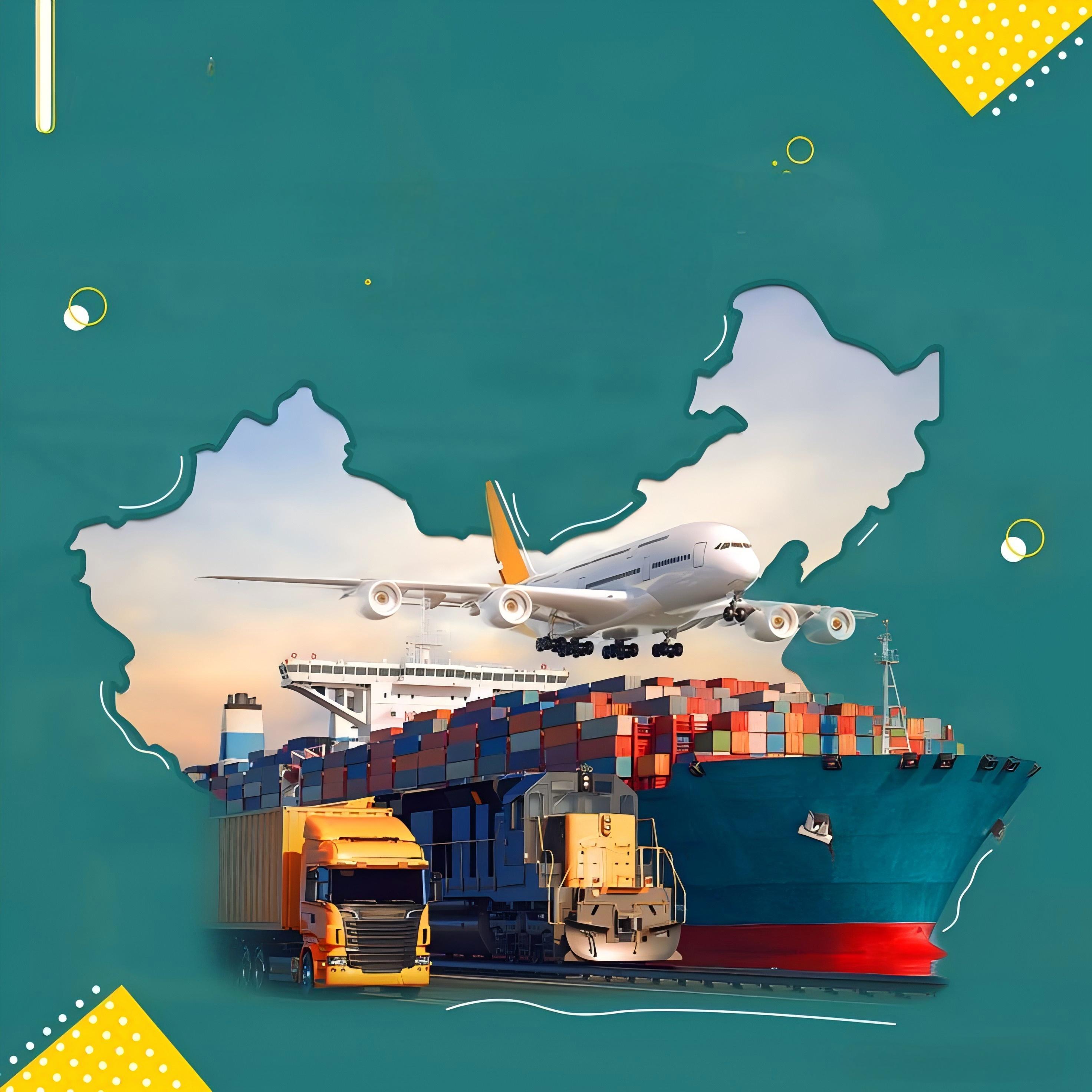
Which Shipping Option Should You Choose for Your Clothing Imports?
❖Selecting the optimal shipping method depends heavily on your specific business priorities and cargo handling requirements. A strategic approach to logistics trends can save both time and money. Therefore, carefully evaluate your needs.
Your budget, desired speed, and the type of clothing you are importing all play a significant role in this decision. Furthermore, consider the overall impact on your inventory management and delivery schedule.
Budget Priority: Cost-Saving Strategies
If cost is your primary concern, sea freight is almost always the most economical choice for bulk clothing shipments. For quantities under 15 CBM, LCL (Less than Container Load) can be more cost-effective than FCL (Full Container Load). However, for larger volumes, FCL offers better per-unit pricing.
Consider optimizing packaging to reduce volumetric weight and maximize container space. This directly impacts freight rates. Additionally, planning well in advance avoids costly expedited shipping. Explore customs brokerage services to ensure accurate duty calculations and avoid unexpected fees.
Speed Priority: Expedited Delivery Solutions
When speed is paramount, express service or air freight is indispensable. This is ideal for time-sensitive fashion collections, samples, or urgent replenishment of popular items. While significantly more expensive, it ensures quicker market entry and responsiveness.
For slightly less urgent but still fast delivery, a combination of sea and air (sea-air hybrid) might be considered, though less common for clothing to the USA. This balances cost and speed, offering a middle-ground solution for certain logistics trends.
Cargo Type and Volume Considerations
Small, high-value items like designer accessories or small batches of samples are best suited for air freight or express. Bulky, low-value items like basic t-shirts or denim are typically shipped via sea freight to keep shipping costs manageable. This helps optimize overall cargo handling.
For e-commerce businesses utilizing Amazon FBA, a reliable Amazon FBA service provider can manage both sea and air shipments, ensuring goods arrive at Amazon warehouses efficiently. This specialized service streamlines the process for online retailers.
Real-World Case Studies: Importing Clothing from China to USA
❖Examining actual shipping scenarios provides valuable insights into the complexities and solutions involved in importing apparel. These case studies highlight the practical application of documentation and shipping method choices. They demonstrate how different strategies impact overall shipping costs and transit time.
These examples reflect typical rates and challenges encountered in the logistics industry as of early 2025. Please note that freight rates are subject to change based on fuel costs, carrier capacity, and seasonal demand. Always contact us for a current quote tailored to your specific shipment.
Case Study 1: Small E-commerce Boutique’s Seasonal Collection
| Detail | Description |
|---|---|
| Route | Shanghai, China Los Angeles, USA |
| Cargo | Women’s fashion tops & dresses, 8 CBM, 1200 kg |
| Container | LCL 8 CBM |
| Shipping Method | Sea Freight (LCL) |
| Carrier/Service | Major LCL consolidator |
| Port of Loading | Shanghai |
| Port of Discharge | Los Angeles |
| Route Type | Direct |
| Ocean Freight | $640 (8 CBM x $80/CBM) |
| Origin Charges (THC, documentation) | $150 |
| Destination Charges | $250 |
| Customs & Duties (estimated) | $400 (based on 16% duty rate on $2500 value) |
| Total Landed Cost | $1440 |
| Booking to Loading | 5 days |
| Sea Transit | 16 days |
| Customs Clearance | 3 days |
| Total Door-to-Door | 28 days |
| Key Insight | LCL was cost-effective for this smaller volume. Pre-clearance with accurate TAD avoided delays. Q1 2025 rates were stable. |
Case Study 2: Mid-Size Retailer’s Bulk Winter Apparel Order
| Detail | Description |
|---|---|
| Route | Ningbo, China New York, USA |
| Cargo | Men’s winter jackets & sweaters, 55 CBM, 9500 kg |
| Container | 1 x 40HQ |
| Shipping Method | Sea Freight (FCL) |
| Carrier/Service | COSCO |
| Port of Loading | Ningbo |
| Port of Discharge | New York |
| Route Type | Transshipment via Panama Canal |
| Ocean Freight | $4800 (Q4 2024 peak season rates) |
| Origin Charges (THC, documentation) | $300 |
| Destination Charges | $450 |
| Customs & Duties (estimated) | $2500 (based on 14% duty rate on $18000 value) |
| Total Landed Cost | $8050 |
| Booking to Loading | 7 days |
| Sea Transit | 32 days |
| Customs Clearance | 4 days |
| Total Door-to-Door | 45 days (including inland transit to warehouse) |
| Key Insight | FCL was essential for volume. Early booking mitigated Q4 peak season rate hikes. Customs bond and accurate HS codes were critical for smooth clearance. |
Case Study 3: Urgent Fashion Samples for a Design House
| Detail | Description |
|---|---|
| Route | Shenzhen, China Los Angeles, USA |
| Cargo | Prototype garments, 0.5 CBM, 150 kg |
| Container | N/A (Air cargo) |
| Shipping Method | Air Freight |
| Carrier/Service | Major Air Cargo Carrier |
| Airport of Loading | Shenzhen (SZX) |
| Airport of Discharge | Los Angeles (LAX) |
| Route Type | Direct Flight |
| Air Freight | $1200 (150 kg x $8/kg) |
| Origin Charges (documentation, handling) | $80 |
| Destination Charges | $120 |
| Customs & Duties (estimated) | $100 (low value, samples) |
| Total Landed Cost | $1500 |
| Booking to Loading | 1 day |
| Air Transit | 3 days |
| Customs Clearance | 1 day |
| Total Door-to-Door | 6 days |
| Key Insight | Air freight delivered critical samples rapidly. Despite higher per-kg cost, speed justified the expense for time-sensitive design decisions. Pre-lodged customs entry expedited clearance. |
Partnering for Smooth Clothing Imports: What Documents Needed for Clothing from China to USA
❖Navigating the complexities of international shipping, especially with specific goods like clothing, can be overwhelming. A seasoned freight forwarder acts as your logistics partner, streamlining the entire process. They possess expertise in customs procedures, documentation, and various shipping methods. This significantly eases your burden.
A good freight forwarder can assist with everything from finding competitive freight rates to managing cargo handling and ensuring all what documents needed for clothing from China to USA are correctly prepared. They also help in optimizing your delivery schedule and mitigating potential risks. Consider a partner offering comprehensive door-to-door services for maximum convenience.
Conclusion: Streamlining Your Clothing Imports
Importing clothing from China to the USA requires meticulous attention to detail, particularly concerning documentation and regulatory compliance. By understanding what documents needed for clothing from China to USA, selecting appropriate shipping methods, and partnering with experienced logistics providers, you can ensure a smooth and efficient supply chain. Proactive planning and accurate paperwork are your best defense against delays and unexpected costs.
Indeed, mastering the import process for apparel not only ensures compliance but also contributes to predictable shipping costs and improved delivery schedules. This ultimately strengthens your business’s ability to compete effectively in the US market. Focus on these critical elements for success.

Ready to streamline your logistics?
Ready to simplify your clothing imports from China to the USA? Don’t let complex documentation and logistics slow down your supply chain. Contact us today for a personalized quote and expert guidance on what documents needed for clothing from China to USA. Our team is prepared to assist you every step of the way.
Request Quote