

Shipping medical equipment from China to USA requires strict documentation and regulatory compliance. Partnering with experts like China Top Freight ensures your shipments meet all customs and FDA requirements, avoiding costly delays. This guide covers what documents needed for medical equipment from China to USA, along with freight options, costs, and compliance checklists.
1. Why Are Documents Important for Shipping Medical Equipment?
Medical devices are strictly controlled. Without the right paperwork, shipments risk:
- Customs delays
- FDA seizures
- Penalties and fines
- Supply chain disruptions
Therefore, preparing complete and accurate documentation is essential to ensure smooth delivery.
2. What Documents Needed for Medical Equipment from China to USA?
The most important documents include:
- Commercial Invoice
- Packing List
- Bill of Lading / Air Waybill
- FDA Entry Number
- 510(k) Clearance (if required)
- Medical Device Listing
- Importer’s EORI / DUNS
- Certificate of Origin
- Insurance Certificate
- Customs Bond
3. What Is the Role of FDA in Importing Medical Equipment?
The U.S. Food and Drug Administration (FDA) ensures all medical devices meet safety standards. Importers must:
- Register their facility with FDA
- List each medical device type
- Provide 510(k) clearance for regulated devices
- Submit Prior Notice and Entry Filing
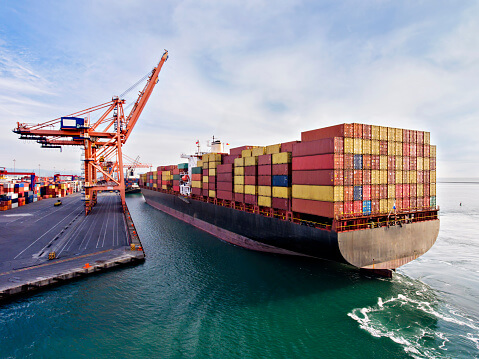
4. How Much Does It Cost to Ship Medical Equipment from China to USA?
| Shipping Method | Avg. Transit Time | Cost Estimate | Pros | Cons |
|---|---|---|---|---|
| Sea Freight (FCL) | 25–35 days | $2,000–$3,500 per container | Low cost, large volumes | Slow, longer customs checks |
| Sea Freight (LCL) | 28–40 days | $150–$300 per CBM | Flexible, shared cost | Handling delays possible |
| Air Freight | 5–9 days | $6–$9 per kg | Fast, secure | Expensive for heavy loads |
| Express Courier | 3–6 days | $9–$15 per kg | Door-to-door, simple | High price, limited size |
5. Can Importers Handle Documentation Without a Freight Forwarder?
It is possible but risky. Professional freight forwarders provide:
- Customs clearance expertise
- FDA compliance support
- Efficient delivery schedules
- Error-free paperwork preparation
6.What Are the Risks of Incomplete Documentation?
- Seizure of goods by U.S. Customs or FDA
- Additional storage fees at ports
- Return of shipment to China
- Heavy penalties for non-compliance
By preparing what documents needed for medical equipment from China to USA carefully, importers save costs, reduce risks, and improve supply chain efficiency.
Working with an experienced forwarder like China Top Freight ensures your medical equipment shipments from China to USA clear customs smoothly, meet FDA standards, and arrive on time. Contact our team to get tailored solutions for your logistics needs today.
7.Conclusion
Importing medical equipment from China to USA requires meticulous preparation of customs and FDA documents. Key paperwork includes commercial invoices, packing lists, certificates of origin, and FDA entry filings. High-risk devices may also require 510(k) clearance. Choosing the right freight forwarder ensures compliance, reduces risks, and speeds up delivery. By working with an experienced partner, businesses can safeguard their supply chains and focus on providing reliable healthcare products to the U.S. market.
8. Request a Quote
China Top Freight offers:
- ✅ Origin and Destination Countries
- ✅ Cargo Type and Volume
- ✅ Preferred Transport Method (Air, Sea, Rail, Road)
- ✅ Delivery Timeline
- ✅ Special Handling Requirements (if any)
💬9. FAQ
Q1: What is the first step to import medical devices into the USA?
The first step is FDA registration of the importer and listing each medical device type before starting customs clearance procedures.
Q2: Can small medical devices be shipped by courier to the USA?
Courier services like DHL and FedEx can deliver small devices quickly, provided all FDA paperwork and customs entries are correctly filed.
Q3: Do all shipments require an FDA entry number?
Every medical device shipment entering the USA must include an FDA entry number to confirm compliance with import regulations.
Q4: How do I know if my product needs 510(k) clearance?
Check the FDA device classification database. Medium- and high-risk devices require 510(k), while low-risk products may be exempt.
Q5: What role does a customs bond play in medical imports?
A customs bond ensures payment of duties and compliance with regulations, allowing shipments to clear U.S. customs smoothly and efficiently.