

Understanding the ground shipping meaning is crucial for businesses looking to optimize their logistics. This guide explains what ground shipping means, how it works, and why it’s a cost-effective choice for transporting goods overland.
1. What is Ground Shipping Meaning?
Understanding this shipping method is essential for businesses looking to optimize their logistics. Simply put, it refers to the transportation of freight over land, typically using trucks, through cost-effective, non-expedited services. This method suits bulky, palletized, or full and partial truckloads that do not require urgent delivery. It emphasizes balancing affordability with reliability, making it an ideal option for many industries.
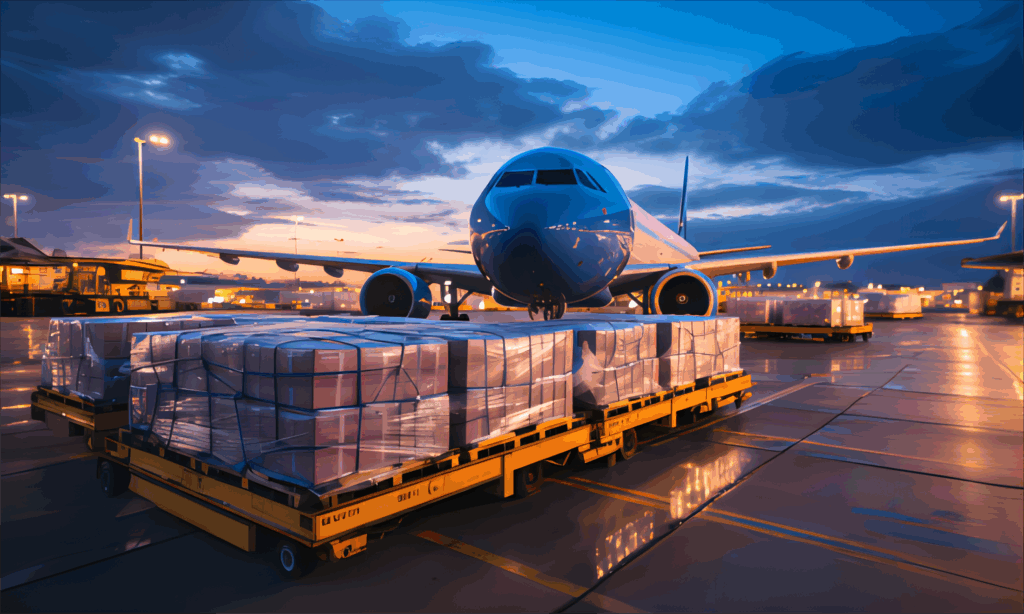
📌2. Key Transportation Factors in Ground Shipping
Several factors play a vital role in the success of ground shipping:
- Distance and Geographic Region: The length and location of the route significantly affect transit times and costs. Efficient routing minimizes delays and maximizes resources.
- Freight Density (Weight vs. Volume): Pricing often depends on whether weight or volume is higher, affecting charges based on dimensional weight.
- Routing Options: Choosing between direct routes or hub-and-spoke networks impacts delivery speed and cost efficiency.
- Carrier Seasonality and Demand Trends: High demand seasons can reduce available capacity and increase rates, while off-peak times often offer better prices.
- Fuel Surcharges and Terminal Fees: Additional fees related to fuel costs and terminal handling must be considered in budgeting
3. Why Choose Ground Shipping?
The ground shipping meaning is not just about road transport—it integrates seamlessly with other modes like sea, air, and rail. This multimodal approach allows businesses to:
- Ship bulky or less time-sensitive goods cost-effectively.
- Maintain predictable delivery schedules across various transport networks.
- Optimize routes and resources using shared assets and standard carrier lanes.
Ground shipping provides a reliable, cost-efficient solution for shipments that don’t require urgent delivery but need dependable transit.
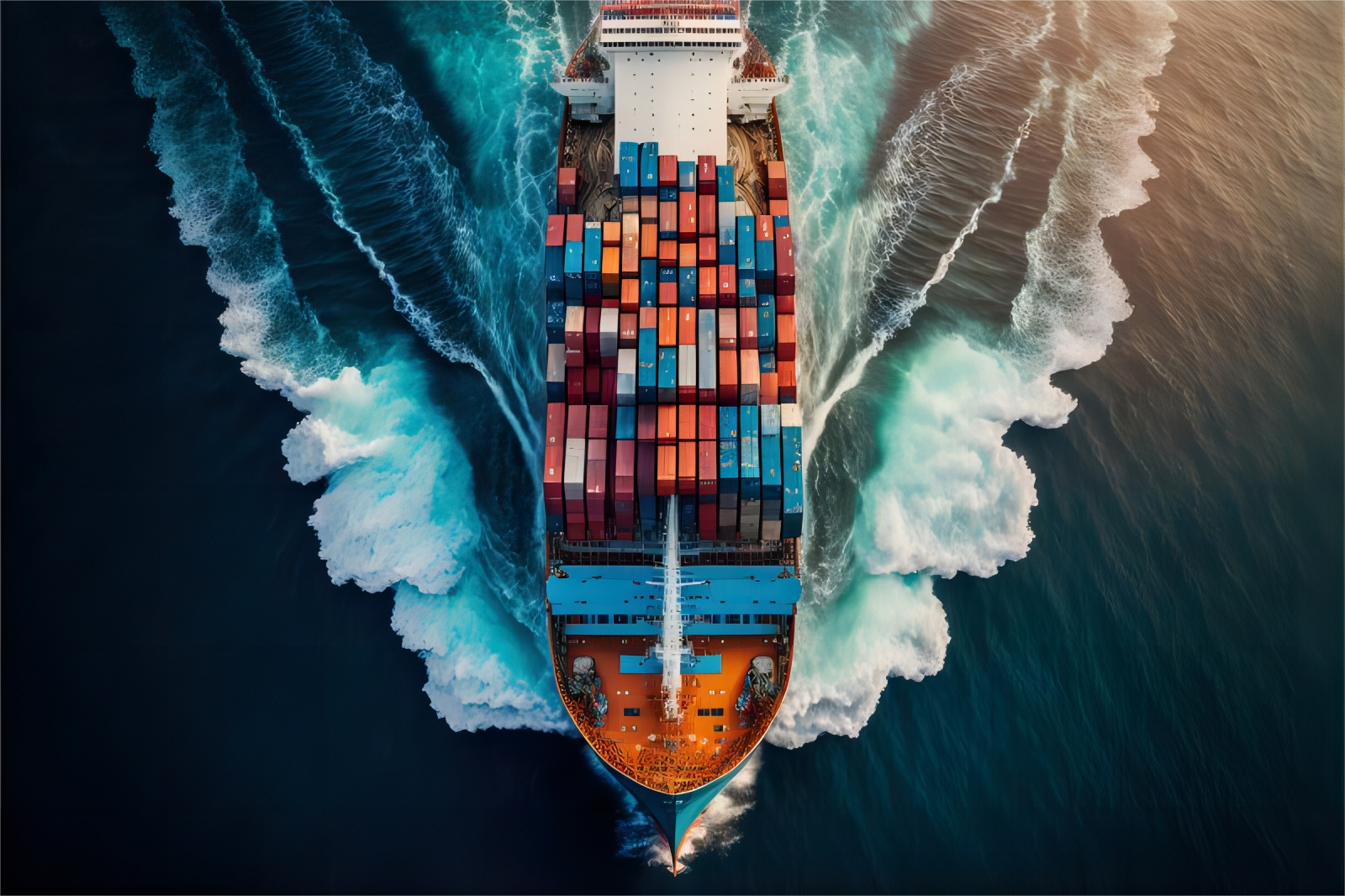
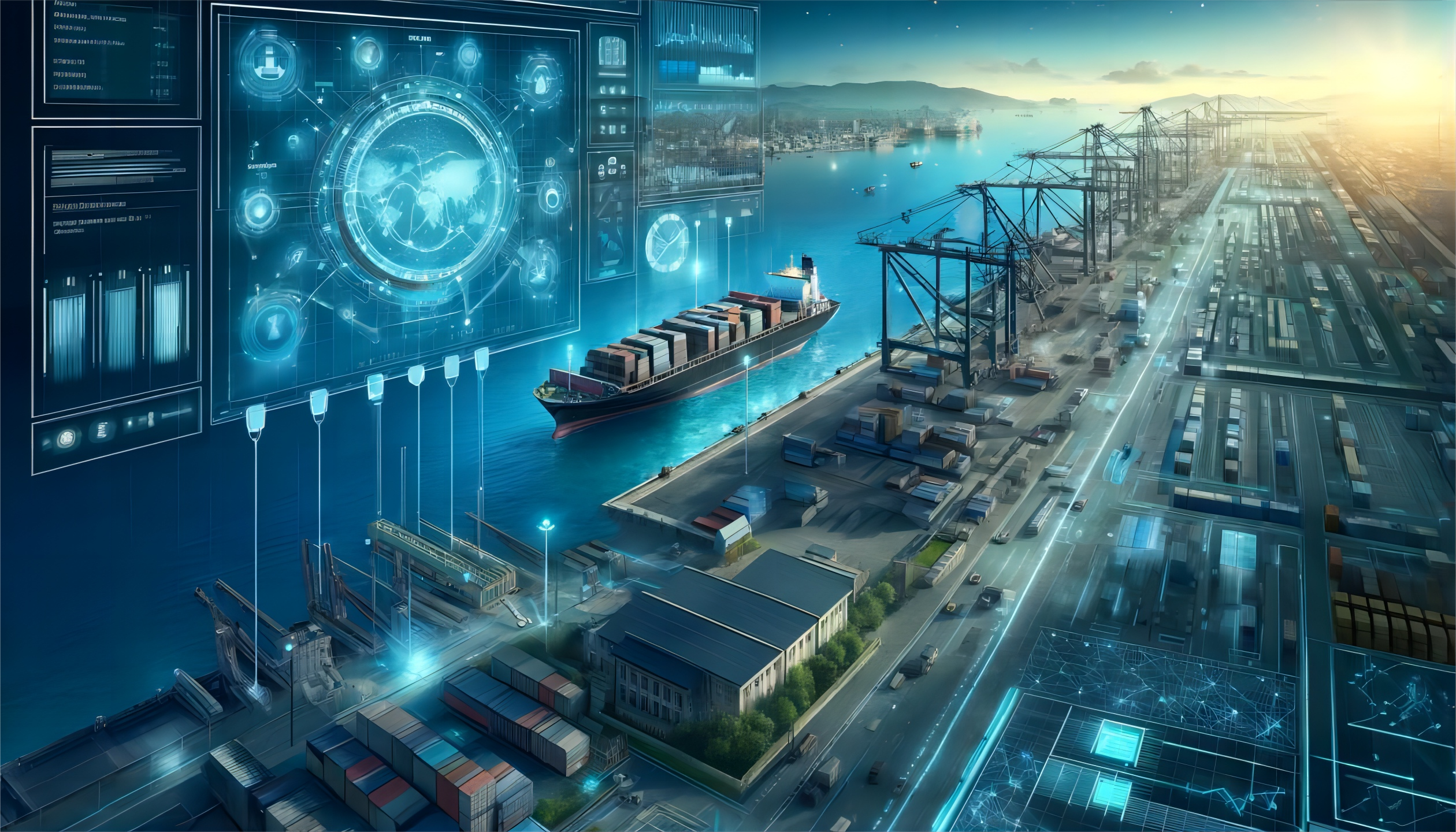


📌4. Transportation and Packaging Best Practices
Proper handling is key to successful ground shipping. Here are important considerations:
- Use stackable, uniform pallets to maximize truck space.
- Apply shrink-wrap and strapping to secure cargo during transit.
- Avoid irregularly shaped items to reduce dimensional surcharges.
- Clearly label shipments with IDs and handling instructions to facilitate terminal processing.
- Coordinate tightly between origin, transit, and delivery points to minimize delays.
By focusing on these practices, businesses enhance delivery reliability and reduce risks during ground transportation.
5. Ground Shipping vs. Other Transportation Modes
| Mode | Best For | Pros | Cons |
|---|---|---|---|
| Ground Shipping | Domestic and regional shipments | Cost-effective, flexible | Slower transit times |
| Air Freight | International, urgent deliveries | Fast delivery | Higher costs |
| Sea Freight | Large, international shipments | Economical for bulk cargo | Long transit times |
6. Request a Quote
China Top Freight offers:
- ✅ Origin and Destination Countries
- ✅ Cargo Type and Volume
- ✅ Preferred Transport Method (Air, Sea, Rail, Road)
- ✅ Delivery Timeline
- ✅ Special Handling Requirements (if any)
7. FAQ
Q1: How do I determine if ground shipping is suitable for my shipment?
A1: Consider factors such as the size and weight of your cargo, delivery time requirements, and destination. Ground shipping is ideal for non-urgent, bulk, or regional shipments.
Q2: Are there weight limits for ground shipping?
A2: Yes, ground shipping has weight limits that vary depending on the carrier and vehicle type. It’s essential to check with your service provider for specific restrictions.
Q3: Can I track my ground shipment?
A3: Most ground shipping services offer tracking options, allowing you to monitor your shipment’s progress in real-time.
Q4: Is ground shipping environmentally friendly?
A4: Ground shipping generally has a lower carbon footprint compared to air freight, especially when utilizing rail transport.