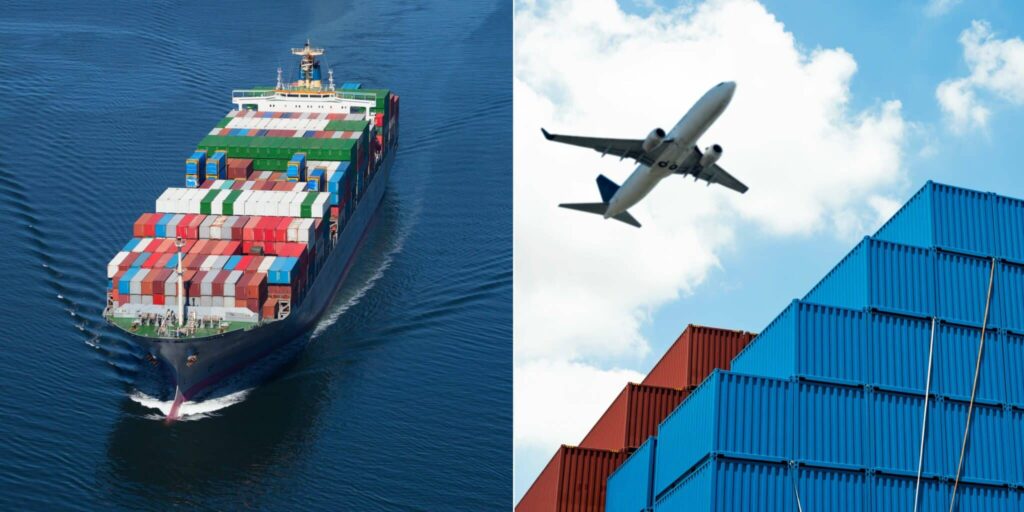
Many importers are asking: why freight price from China raised so much? Over the past few years, shipping costs have surged due to global supply chain disruptions, port congestion, and rising demand. Reliable Chinese freight forwardersoffering sea freight, air freight, and multimodal logistics play a vital role in helping businesses stabilize costs and ensure timely deliveries.
1. What Caused the Sudden Spike in Freight Prices from China?
Several interconnected factors explain the sharp rise in shipping costs.
Global container shortages
Port congestion in Los Angeles, Rotterdam, and Shanghai
Higher fuel prices and carrier surcharges
Labor shortages and stricter customs protocols
2. How Did the Pandemic Affect Freight Pricing?
COVID-19 reshaped the logistics industry:
Reduced manufacturing output created sudden supply shocks
Consumer e-commerce demand soared globally
Flight cancellations cut air cargo capacity
Quarantine policies delayed cargo handling
3. Are Rising Fuel Costs Impacting Freight Rates?
Yes. Fuel surcharges account for 30–40% of total freight rates. When oil prices rise, carriers adjust pricing to cover increased operating expenses.
4. How Do Container Shortages Influence Freight Costs?
Factor
Impact on Costs
Limited container availability
Prices surged up to 4x normal
Imbalanced trade flows
Containers stuck in US & Europe
Leasing shortages
Raised rental fees per container
5. Why Is Sea Freight from China So Expensive Compared to Before?
Method
Pros
Cons
Sea Freight
Best for bulk, affordable long-term
Slower, subject to congestion
Air Freight
Fast, secure, reliable
High per-kg rates
Courier
Door-to-door convenience
Costly for heavy shipments
6. What Role Does Port Congestion Play in Pricing?
Congested ports increase waiting times, fuel costs, and handling fees. For example, delays at Los Angeles and Long Beach ports added weeks to delivery schedules.
7. Do Customs and Tariffs Raise Freight Prices?
Yes. Import duties, anti-dumping tariffs, and stricter customs inspections in the US and EU increase total landed costs, impacting both sea and air freight.
8. How Much Did Freight Rates Rise from China to the USA?
9. Can Freight Forwarders Help Reduce Rising Costs?
Yes. Forwarders negotiate better rates, offer consolidation services, manage customs clearance, and provide multimodal options like rail-sea or sea-air shipping to reduce expenses.
10. What Strategies Can Importers Use to Control Freight Spending?
Book shipments earlier to avoid peak surcharges
Consolidate small shipments into FCL (full container load)
Choose alternative routes or ports
Partner with experienced freight forwarders
Final Thoughts
The answer to why freight price from China raised so much lies in a mix of pandemic disruptions, container shortages, port congestion, tariffs, and rising fuel costs. While prices may not return to old levels, importers can manage expenses through consolidation, flexible shipping methods, and partnerships with reliable Chinese freight forwarders. Ultimately, adapting to these logistics trends ensures businesses remain competitive in a volatile global market.
FAQ
Q1: Can freight prices from China drop back to pre-2019 levels?
Unlikely. Rates may stabilize, but structural supply chain changes keep costs above pre-pandemic averages.
Q2: What shipping method is cheapest when prices rise?
Sea freight remains cheapest for bulk, though slower. Air freight is better for urgent high-value cargo despite higher cost.
Q3: Do Chinese holidays affect freight pricing?
Yes, Golden Week and Chinese New Year spike demand, raising rates. Booking 4–6 weeks early avoids peak surcharges.
Q4: How can small businesses manage high freight costs?
Use LCL consolidation, flexible timelines, and work with forwarders offering negotiated rates.
Q5: Does currency exchange impact freight rates?
Yes. Stronger US dollar can make freight slightly cheaper, while weaker dollar raises effective import costs.