

- By kelly
- September 8, 2025
- Logistics, Tips or Guide
Why Is Shipping from China So Expensive in 2025?
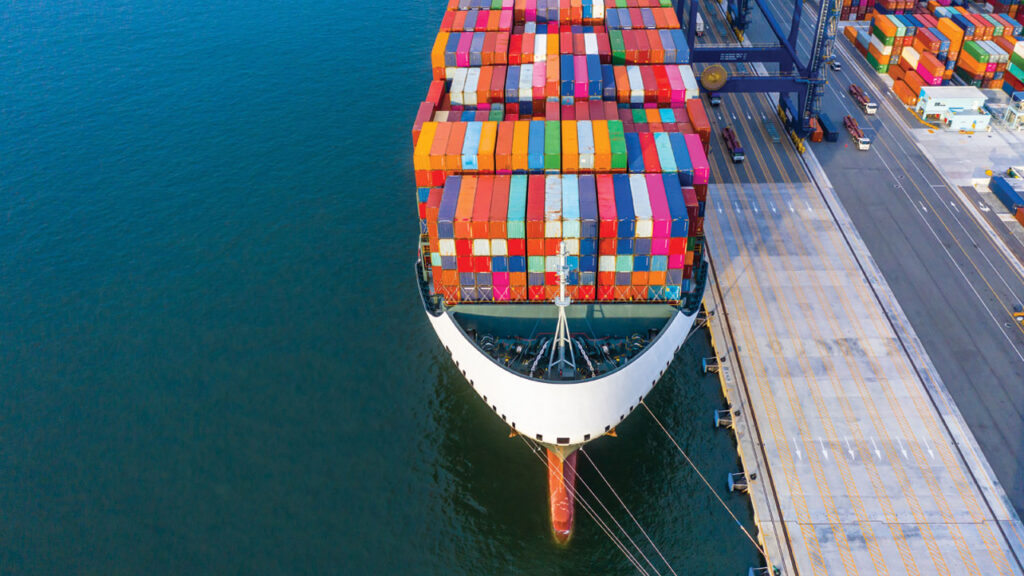
Shipping goods across continents is never simple, but in recent years many importers and e-commerce sellers have asked the same question: why is shipping from China so expensive? Costs have surged due to fuel price fluctuations, global inflation, supply chain disruptions, and increased customs regulations. However, understanding these factors helps businesses budget better and explore ways to optimize logistics.
1. What Drives High Shipping Costs from China?
Several elements influence freight pricing, and most of them are interconnected. Rising oil prices, port congestion, and labor shortages have made global shipping more expensive than before. Additionally, geopolitical tensions and stricter customs compliance increase operational costs.
2. How Do Shipping Methods Affect the Price?
Not all transportation methods are equal. Each option—air, sea, rail, or courier—has a unique cost structure.
| Shipping Method | Average Cost (per kg/CBM) | Transit Time | Pros | Cons |
|---|---|---|---|---|
| Air Freight | $5–$10/kg | 5–10 days | Fast, reliable | Expensive for bulk cargo |
| Sea Freight (FCL) | $2000–$4000 per 40ft | 25–40 days | Best for bulk | Slower, subject to port delays |
| Sea Freight (LCL) | $50–$90 per CBM | 30–45 days | Flexible for small loads | Consolidation delays |
| Rail Freight | $1.5–$3/kg | 20–30 days | Balanced cost/time | Limited destinations |
| Courier (DHL/UPS/FedEx) | $7–$15/kg | 3–7 days | Fastest door-to-door | High cost for heavy cargo |
3. Why Do Fuel Prices Matter So Much?
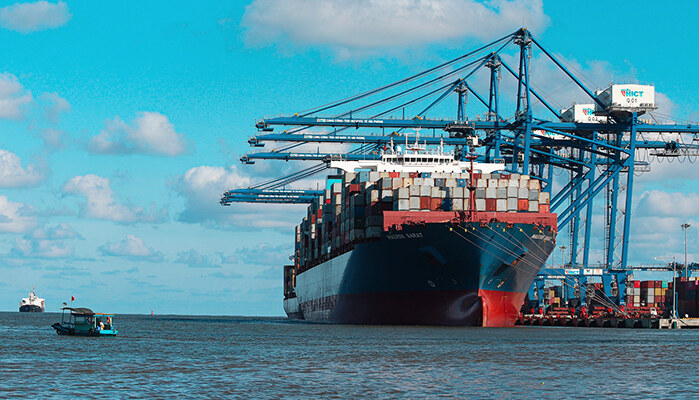
Fuel accounts for a major portion of shipping costs. When oil prices spike, freight carriers apply bunker adjustment factors (BAFs), directly increasing shipping rates. Therefore, even minor fuel increases can significantly impact total logistics expenses.
4. How Do Container Shortages Raise Prices?
5. Can Customs and Tariffs Increase Expenses?
Yes, customs duties, tariffs, and compliance costs add hidden layers to freight charges. Importers shipping into countries like the U.S., Canada, or Europe must also factor in anti-dumping duties, VAT, and documentation fees.
Typical Customs Documents Checklist
| Document | Purpose |
|---|---|
| Commercial Invoice | Declares value of goods |
| Packing List | Details contents of shipment |
| Bill of Lading / Air Waybill | Transport contract |
| Certificate of Origin | Confirms manufacturing country |
| Import Licenses (if required) | Compliance for restricted items |
6. Why Do Transit Times Impact Final Costs?
7. How Do Global Supply Chain Issues Influence Costs?
8. Should Businesses Choose Air vs. Sea Freight?
Both methods have trade-offs.
| Factor | Air Freight | Sea Freight |
|---|---|---|
| Speed | Fast (5–10 days) | Slow (25–40 days) |
| Cost | High | Lower per unit |
| Reliability | Less affected by port congestion | Vulnerable to port strikes & delays |
| Best for | Electronics, urgent goods | Furniture, machinery, bulk cargo |
9. Do E-Commerce Sellers Face Higher Costs?
Small and medium-sized online sellers often rely on couriers or express shipping. While convenient, express shipping is more expensive per unit compared to consolidated freight.
10. What Strategies Can Reduce Costs?
Businesses can lower shipping expenses by:
- Consolidating shipments (LCL instead of multiple small parcels).
- Negotiating long-term contracts with freight forwarders.
- Shipping during off-peak seasons.
- Using multimodal transport (e.g., rail + sea).
11. Is Technology Helping to Cut Costs?
Yes, digital freight platforms and AI-powered logistics tools optimize container loading, forecast delays, and recommend cost-efficient routes. Consequently, shippers gain better visibility and avoid unnecessary surcharges.
12. Why Are Peak Seasons Always More Expensive?
Demand spikes during holidays like Golden Week, Christmas, and Black Friday. Carriers increase rates, knowing importers urgently need goods on shelves. Planning shipments months ahead reduces exposure to peak surcharges.
13. How Much Does It Really Cost to Ship from China?
While costs vary, here’s a 2025 overview for common trade lanes:
| Destination | Sea Freight (FCL 40ft) | Air Freight (per kg) | Courier (per kg) | Transit Time |
|---|---|---|---|---|
| USA | $2500–$4500 | $6–$9 | $8–$15 | 5–40 days |
| Canada | $2300–$4200 | $5–$8 | $7–$12 | 6–35 days |
| Europe | $2700–$4800 | $6–$10 | $9–$16 | 7–42 days |
| Australia | $2000–$3800 | $5–$7 | $7–$11 | 8–30 days |
14. Can Partnering with a Freight Forwarder Help?
Absolutely. Experienced forwarders provide competitive quotes, navigate customs, and consolidate cargo efficiently. Moreover, they help businesses plan shipments strategically to avoid unnecessary surcharges.
Before moving to the FAQ, here’s a quick takeaway: Shipping from China is expensive due to global fuel costs, port congestion, and logistics disruptions. However, with smart planning and the right partner, businesses can save significantly.
📦Get a Free Quote
We can help reduce your freight expenses. Whether you’re importing bulk containers or e-commerce parcels, our expert team can guide you on the most cost-effective solution. Contact us today for a tailored shipping quote and start optimizing your supply chain.
❓ Frequently Asked Questions
Q1: Why is shipping from China so expensive in 2025?
Because of high fuel prices, container shortages, port congestion, and global inflation impacting supply chain operations.
Q2: Which is the cheapest method to ship from China?
Sea freight (especially FCL) remains the cheapest per unit, though it takes longer compared to air freight or courier.
Q3: How can I save money on freight costs?
Consolidate cargo, book early, use multimodal transport, and work with a reliable freight forwarder for negotiated rates.
Q4: Do customs duties affect shipping costs?
Yes, import duties, VAT, and compliance paperwork add to the total landed cost of shipping from China.
Q5: Are courier services from China cost-effective?
Couriers are fast and reliable but are more expensive per unit compared to sea or rail freight options.
Conclusion
So, why is shipping from China so expensive? It’s the result of multiple global factors—rising fuel, port congestion, container shortages, and strict customs rules. However, importers can mitigate costs by consolidating cargo, booking early, and partnering with trusted freight forwarders. Ultimately, the right strategy ensures smooth deliveries without overspending.