

Your Trusted Freight Forwarder China to UAE
Navigating international shipping can be complex, especially when moving goods from China to the bustling markets of the UAE. Businesses often face challenges like varying transit times, fluctuating freight rates, and intricate customs regulations. Selecting the right freight forwarder is crucial for a smooth and efficient supply chain. This guide explores how to streamline your logistics and ensure timely, cost-effective delivery.

Why Choose a Specialized Freight Forwarder for China to UAE Shipping?
Shipping goods from China to the UAE involves more than just booking a container. It requires a deep understanding of both countries’ logistics landscapes, including regulatory frameworks and port operations. A specialized freight forwarder acts as your crucial partner, simplifying this complex process.

Furthermore, they manage the entire journey, from origin pickup to final delivery. This includes handling documentation, customs clearance, and optimizing your shipping routes. Ultimately, choosing an expert ensures efficiency and peace of mind for your valuable cargo.
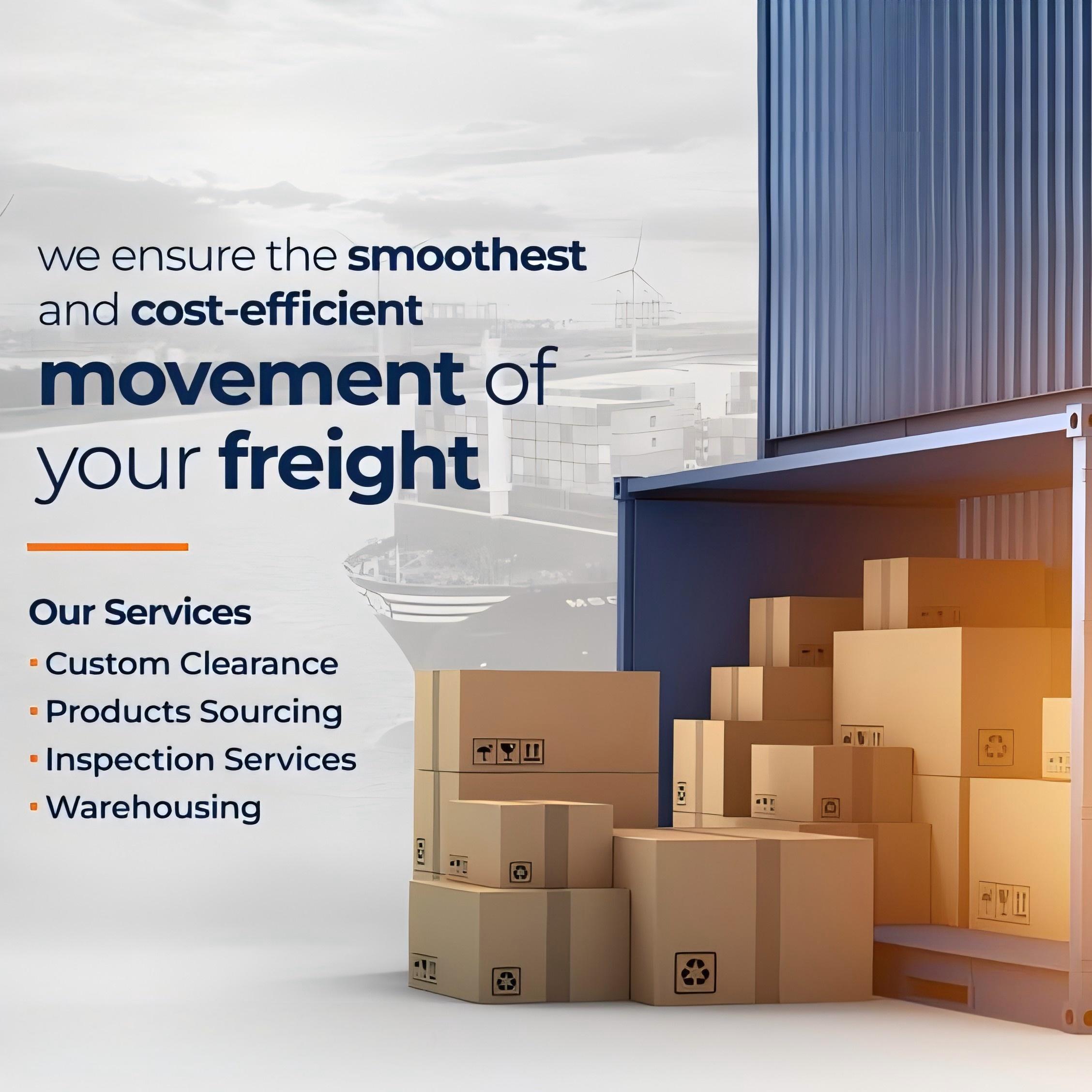
Indeed, working with an experienced freight forwarder China to UAE guarantees expertise. They possess the local knowledge and global network essential for seamless cross-border trade. Consequently, this partnership helps you avoid costly delays and unexpected challenges.
Understanding Shipping Methods from China to UAE
When planning your shipment from China to the UAE, you typically have two primary options: sea freight and air freight. Each method offers distinct advantages regarding cost, speed, and cargo capacity. Therefore, understanding these differences is vital for making an informed decision.
Moreover, selecting the optimal method depends on your specific business needs. Consider factors such as the urgency of delivery, the volume and weight of your goods, and your budget constraints. Ultimately, a balanced approach ensures both efficiency and cost-effectiveness.
| Shipping Method | Cost Range (Approx.) | Transit Time (Approx.) | Best For |
|---|---|---|---|
| Sea Freight (FCL/LCL) | Low to Medium | 20-30 Days | Large volumes, heavy cargo, non-urgent shipments, cost-sensitive goods |
| Air Freight | High | 3-7 Days | Urgent shipments, high-value goods, perishable items, smaller volumes |
| Express Service | Very High | 2-5 Days | Small parcels, documents, extremely urgent samples, e-commerce |
How Does Sea Freight Compare to Other Shipping Options?
Sea freight remains the backbone of international trade for many businesses. It offers unparalleled capacity and cost-effectiveness for bulk shipments. However, its slower transit times must be factored into your supply chain planning.
Conversely, air freight provides speed but at a significantly higher cost. Express services offer even faster delivery, typically for smaller, time-sensitive packages. Therefore, choosing between these depends heavily on your shipment’s characteristics and urgency.
For instance, while a 40HQ container via sea freight from Shanghai to Jebel Ali might cost around $2,800-$3,800, air freight for a comparable volume could easily exceed $10,000. However, the sea journey takes 20-30 days, whereas air cargo arrives in 3-7 days. This drastic difference in both cost and speed necessitates careful evaluation.
Additionally, for shipments under 15 CBM, Less than Container Load (LCL) shipping can be a cost-effective alternative to a full container. LCL rates might range from $60-$90/CBM, making it suitable for smaller consignments that don’t fill an entire container. This is a popular choice for small and medium-sized businesses importing from China to UAE.
Meanwhile, direct routes typically offer faster transit times compared to routes involving transshipment. Although direct routes might incur a slightly higher cost (around 5-10% more), they can save 3-5 days in transit, which can be critical for time-sensitive cargo.
Which Option Should You Choose?
Your decision hinges on several key criteria. Consider your budget, the required delivery speed, and the nature of your cargo. Each factor plays a vital role in determining the most suitable shipping method.
If budget is your primary concern, and you have ample lead time, sea freight is generally the most economical choice. It is ideal for bulky items, raw materials, or products with long shelf lives. This method significantly reduces shipping costs for large volumes.
Conversely, if speed is paramount, and your goods are high-value or perishable, air freight is the superior option. It ensures rapid delivery, minimizing risks associated with extended transit. This is often preferred for electronics, fashion, or urgent components.
For very small, extremely urgent packages, or e-commerce samples, an express service offers the quickest door-to-door solution. Furthermore, for specific cargo types, such as hazardous materials, specialized handling and regulatory compliance are critical, often dictating the available shipping methods.
Finally, for businesses requiring flexibility, hybrid solutions like sea-air combinations can be explored. This involves shipping by sea to a hub (e.g., Singapore or Colombo) then by air to the UAE, balancing cost and speed. Your freight forwarder can advise on these tailored logistics solutions.
Key Factors Influencing Freight Rates from China to UAE
Several dynamic factors dictate the freight rates for shipping from China to the UAE. Understanding these elements helps businesses anticipate costs and plan their budgets effectively. Market conditions, fuel prices, and seasonal demand all play significant roles.
Moreover, the type and volume of your cargo heavily influence pricing. Heavier or bulkier shipments generally incur higher costs, regardless of the method. Therefore, accurate cargo handling and dimensioning are crucial.
As of Q1 2025, freight rates from China to the UAE have largely stabilized after the volatility seen in 2024. However, global events and regional disruptions can still impact pricing. Typically, rates tend to increase by 15-25% during the August-October peak season due to higher demand for holiday inventory.
Indeed, port congestion at major hubs like Shanghai or Jebel Ali can also lead to surcharges and delays. Additionally, carrier capacity and the specific service level chosen (e.g., premium vs. standard) directly affect the final shipping costs. Always obtain a current quote for precise figures.
Note: Freight rates are subject to change based on fuel costs, carrier capacity, and seasonal demand. Contact us for a current quote tailored to your specific shipment.
Essential Documentation and Customs Clearance for UAE Imports
Navigating customs procedures is a critical step for any import into the UAE. Proper documentation ensures a smooth clearance process, preventing delays and penalties. An experienced customs brokerage service is indispensable here.
Essentially, you will need a commercial invoice, packing list, bill of lading (for sea freight) or air waybill (for air freight), and a certificate of origin. Furthermore, some goods may require additional permits or licenses, depending on their nature and intended use. This is particularly true for food, medical supplies, or electronics.
The UAE customs authorities require accurate declarations and valuations. Any discrepancies can lead to goods being held, incurring demurrage or detention charges. Therefore, precise and complete paperwork is non-negotiable for successful import from China to UAE.
Working with a freight forwarder that offers comprehensive customs brokerage ensures compliance. They can pre-clear your cargo, manage duties and taxes, and resolve any issues promptly. This expertise is vital for maintaining your delivery schedule and avoiding unforeseen expenses.
Optimizing Your Supply Chain with Door-to-Door Services
A complete door-to-door service simplifies your logistics significantly. This comprehensive solution covers every stage of the shipping process, from your supplier’s factory in China to your warehouse in the UAE. It offers unparalleled convenience and control.
Moreover, this service eliminates the need for multiple intermediaries, thereby reducing potential communication breakdowns and delays. Your freight forwarder manages pickup, international transport, customs clearance, and final delivery. Consequently, you gain a single point of contact and accountability.
For example, a door-to-door service is especially beneficial for businesses without dedicated logistics teams. It streamlines operations, allowing you to focus on core business activities. This integrated approach ensures a seamless and efficient supply chain, from sourcing to final distribution.
Real-World Scenarios: Shipping from China to UAE
Understanding real-world applications helps illustrate the complexities and solutions in shipping. These case studies highlight how different factors influence the shipping process and outcomes. They demonstrate practical strategies for various cargo types and urgency levels.
Case Study 1: E-commerce Apparel Shipment (Air Freight)
| Detail | Description |
|---|---|
| Route | Guangzhou, China -> Dubai, UAE |
| Cargo | Fashion Apparel, 3.5 CBM, 450 kg |
| Container | Air Cargo (LCL) |
| Shipping Details | Carrier: Emirates SkyCargo; Port of Loading: Guangzhou (CAN); Port of Discharge: Dubai (DXB); Route Type: Direct |
| Cost Breakdown | Air Freight: $3,200; Origin Charges: $250; Destination Charges: $180; Customs & Duties (est): $400; Total Landed Cost: $4,030 |
| Timeline | Booking to Loading: 2 days; Air Transit: 3 days; Customs Clearance: 1 day; Total Door-to-Door: 6 days |
| Key Insight | Urgent seasonal fashion required fast delivery. Air freight mitigated inventory risk for new collections. Based on Q4 2024 market rates. |
Case Study 2: Construction Materials (FCL Sea Freight)
| Detail | Description |
|---|---|
| Route | Ningbo, China -> Jebel Ali, UAE |
| Cargo | Ceramic Tiles & Sanitary Ware, 25 tons |
| Container | 1 x 20GP |
| Shipping Details | Carrier: COSCO; Port of Loading: Ningbo; Port of Discharge: Jebel Ali; Route Type: Direct |
| Cost Breakdown | Ocean Freight: $2,100; Origin Charges: $320; Destination Charges: $250; Customs & Duties (est): $600; Total Landed Cost: $3,270 |
| Timeline | Booking to Loading: 5 days; Sea Transit: 22 days; Customs Clearance: 3 days; Total Door-to-Door: 30 days |
| Key Insight | Cost-effective solution for heavy, non-urgent goods. Careful planning avoided port congestion. Typical rates as of early 2025. |
Case Study 3: Small Parts & Components (LCL Sea Freight)
| Detail | Description |
|---|---|
| Route | Shenzhen, China -> Abu Dhabi, UAE |
| Cargo | Electronics Components, 8 CBM, 2,500 kg |
| Container | LCL 8 CBM |
| Shipping Details | Carrier: Maersk (via consolidator); Port of Loading: Shenzhen; Port of Discharge: Jebel Ali (transferred to Abu Dhabi); Route Type: Transshipment via Jebel Ali |
| Cost Breakdown | Ocean Freight: $720; Origin Charges: $180; Destination Charges: $150; Inland Haulage (Jebel Ali to Abu Dhabi): $100; Customs & Duties (est): $350; Total Landed Cost: $1,500 |
| Timeline | Booking to Loading: 4 days; Sea Transit: 25 days; Customs Clearance: 2 days; Total Door-to-Door: 33 days |
| Key Insight | LCL was ideal for smaller volume. Coordination for inland transfer was critical. Market data suggests similar rates for Q1 2025. |

Partner with an Expert Freight Forwarder China to UAE
Effectively managing your supply chain from China to the UAE requires strategic partnerships and informed decisions. By understanding the various shipping methods, cost drivers, and regulatory requirements, businesses can significantly enhance their logistics efficiency.
Indeed, choosing a reliable freight forwarder China to UAE is paramount. They provide the expertise, network, and services necessary for seamless, cost-effective, and timely deliveries. Ultimately, this partnership ensures your goods reach their destination without unnecessary complications, strengthening your competitive edge.
Therefore, invest in a forwarder who prioritizes transparency, communication, and tailored solutions. This will undoubtedly lead to a more robust and responsive supply chain, supporting your business growth in the dynamic UAE market.
Get Your Shipping Quote Today
Ready to optimize your shipping from China to UAE? Contact us today for a personalized quote and expert guidance. Our team is prepared to help you navigate logistics challenges and secure competitive freight rates for your next shipment. Get a free quote now!
Request Quote