

20GP FCL Detention Prevention for Textiles: China to France
“Shipping textiles from China to France via 20GP FCL containers can be highly efficient, yet it often comes with the hidden risk of detention and demurrage charges. These unforeseen costs can significantly erode profit margins and disrupt carefully planned supply chains. Understanding and implementing proactive strategies for 20GP FCL detention prevention for textiles from China to France is therefore crucial for importers. This comprehensive guide will equip you with the knowledge to navigate these challenges successfully.”
Understanding 20GP FCL Detention and Demurrage
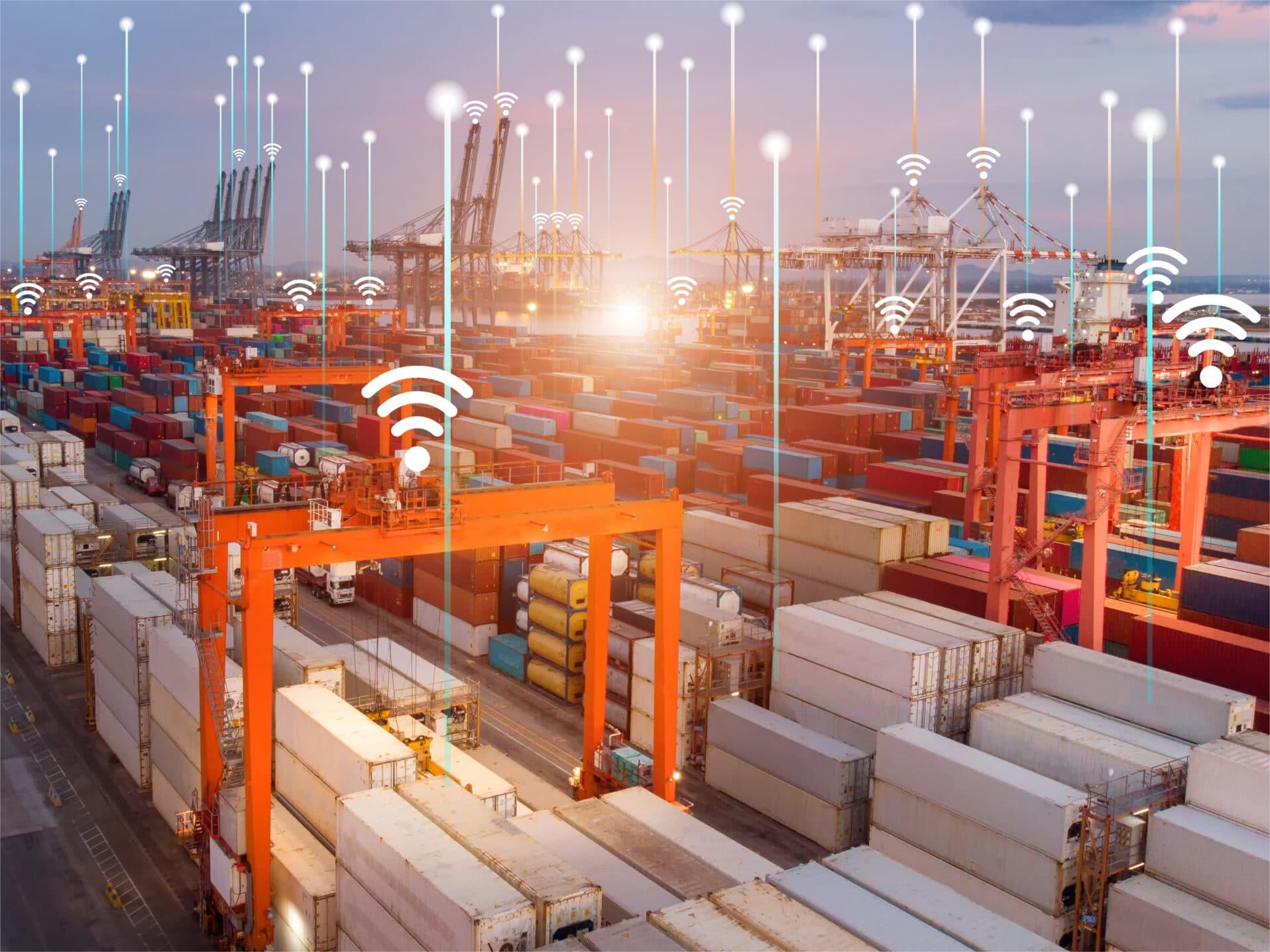
❖Detention and demurrage (D&D) charges are penalties levied by shipping lines and port authorities when containers exceed their allotted free time. Demurrage applies to containers held inside the port terminal, while detention refers to charges incurred when a container remains outside the terminal past its free time.
These fees can escalate rapidly, transforming a cost-effective shipping solution into a financial burden. For instance, textile importers from China to France must carefully manage every step of the logistics chain. This includes everything from cargo handling in China to final delivery in France.
The standard 20GP FCL (Full Container Load) is a common choice for textile shipments due to its capacity and cost-efficiency. However, its widespread use means that any delays can quickly lead to high charges. Therefore, effective management is essential for avoiding these penalties.
Specific Risks for Textile Shipments from China to France
❖Textile products, while often non-perishable, present unique challenges that can contribute to detention and demurrage risks. Firstly, they are subject to specific import regulations and quality controls in the European Union and France. This often requires meticulous documentation and sometimes physical inspections.
Secondly, the sheer volume of textile imports, especially during peak seasons like before major fashion weeks or holiday sales, can strain port infrastructure. This leads to congestion at both Chinese and French ports, extending transit time and increasing the likelihood of delays.
Furthermore, the supply chain for textiles can be complex, involving multiple suppliers, consolidation points, and diverse product lines. Any miscommunication or delay at an earlier stage can cascade, ultimately impacting the final delivery schedule in France. Therefore, robust planning is paramount.
Proactive Strategies for 20GP FCL Detention Prevention
❖Implementing a comprehensive strategy is key to mitigating detention and demurrage risks. This involves careful planning across all stages of the shipping process. From supplier coordination in China to final delivery in France, every detail matters.
Forward-thinking importers focus on optimizing their entire logistics chain. This proactive approach helps to identify potential bottlenecks before they become costly problems. Consequently, it ensures smoother operations and better cost control for their textile shipments.
Optimize Documentation and Customs Processes
Accurate and complete documentation prevents significant customs delays in France, directly increasing demurrage charges. Errors in commercial invoices, packing lists, or certificates of origin must be avoided.
Work closely with suppliers for correct, early document submission. Utilize digital platforms and engage reliable customs brokerage in both China and France. Pre-clearance procedures and having compliance certificates like REACH ready are crucial to minimize hold-ups.
| Document Type | Purpose | Key Details for Textiles | Responsibility |
|---|---|---|---|
| Commercial Invoice | Proof of sale, customs valuation | Accurate description, HS codes, unit value, currency | Shipper |
| Packing List | Details of cargo contents | Number of cartons, weight, dimensions, itemized textile goods | Shipper |
| Bill of Lading (B/L) | Contract of carriage, title to goods | Consignee details, container number, port of loading/discharge | Carrier/Freight Forwarder |
| Certificate of Origin | Country of manufacture | Determines tariffs, trade agreement eligibility | Shipper/Chamber of Commerce |
| Import License/Permit | Regulatory compliance | Specific for certain textile types or quotas (if applicable) | Importer/Consignee |
| Customs Declaration (CN/FR) | Formal declaration to authorities | Detailed goods description, value, duties, taxes | Importer/Broker |
Streamline Port Operations and Inland Transport
Negotiate sufficient free time with shipping lines, ideally 7-10 days, especially during peak seasons. This prevents rapid escalation of detention fees.
Efficient inland transport in France is vital; pre-book trucks for immediate container discharge. Consider a reputable door to door service for seamless integration of port handling, customs, and final delivery, simplifying the supply chain.
Effective Communication with All Stakeholders
Clear communication among your supplier, freight forwarder, shipping line, customs brokers, and consignee is indispensable. Regular updates on production and shipping schedules are crucial.
Establish robust communication protocols for proactive adjustments to potential delays. A single point of contact, like a dedicated account manager, improves information flow and ensures timely decision-making, mitigating detention risks.
Leveraging Technology for Supply Chain Visibility
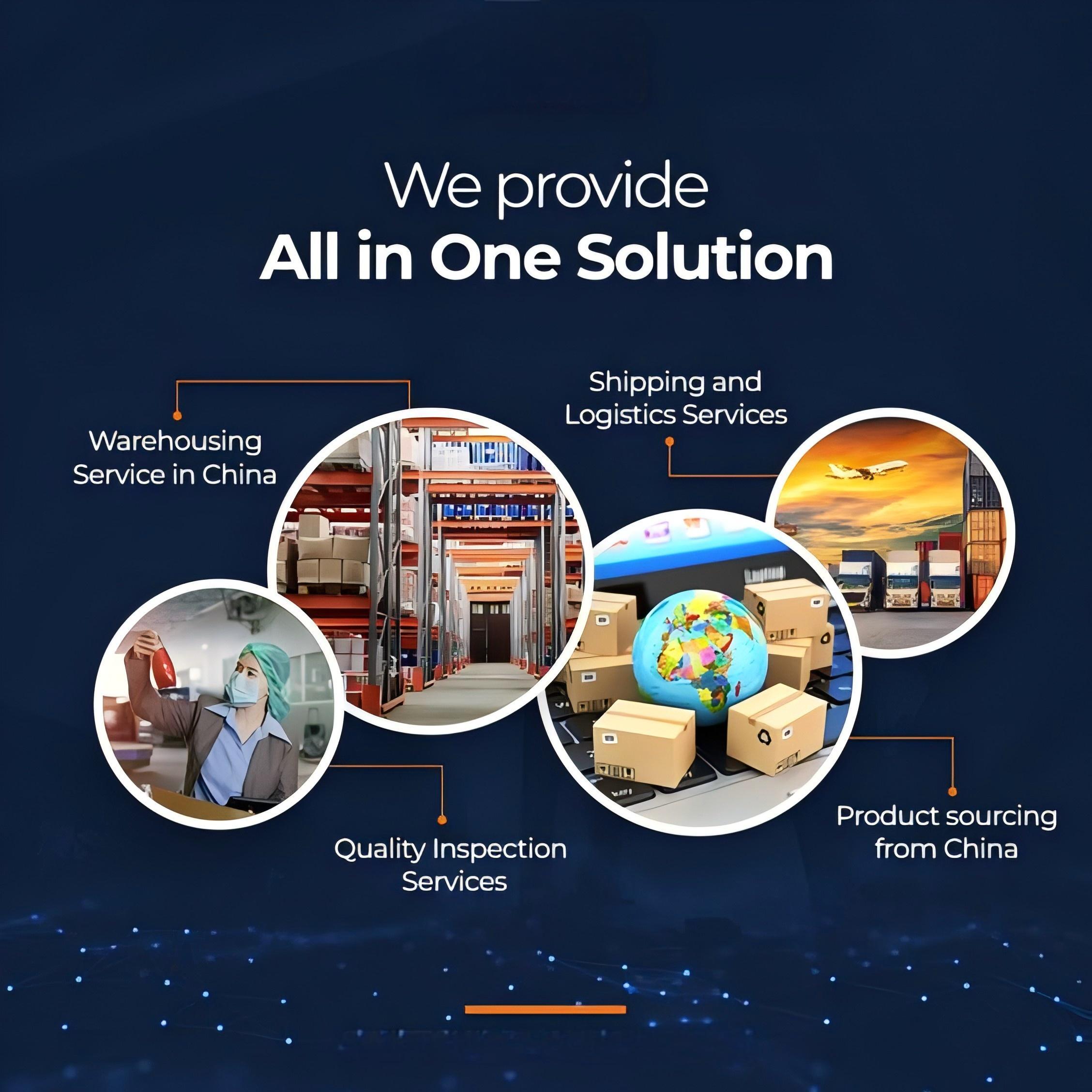
❖Modern supply chain management relies heavily on technology to provide real-time visibility and predictive analytics. Advanced tracking systems allow importers to monitor their 20GP FCL textile shipments from origin to destination. This includes detailed information on vessel location, estimated arrival times, and port status.
Furthermore, digital platforms can automate document submission and clearance processes, reducing manual errors and speeding up administrative tasks. Predictive tools can even flag potential delays based on historical data and current port congestion levels. Such insights enable businesses to take pre-emptive action.
Embracing these technological solutions helps importers maintain tighter control over their logistics. This improved oversight is invaluable for sea freight shipments. It ensures that any deviation from the planned schedule is identified early, allowing for timely intervention and thus preventing costly detention charges.
How Does Sea Freight Compare to Other Shipping Options?
❖While sea freight is primary for 20GP FCL, understanding alternatives is vital for strategic decisions. The choice depends on urgency, budget, and cargo volume for textiles from China to France.
Other methods suit specific scenarios, like urgent samples or time-sensitive fashion. Evaluating alternatives builds a resilient supply chain, ensuring flexibility for market demands.
| Shipping Method | Cost Range (20GP Est.) | Transit Time (China to France) | Best For | Limitations |
|---|---|---|---|---|
| Sea Freight (FCL) | $1,800 – $4,200 | 28 – 35 days | Large volumes, heavy goods, cost-effectiveness | Long transit times, port congestion risks |
| Rail Freight | $6,000 – $9,000 | 18 – 25 days | Medium urgency, higher value goods, balanced cost/speed | Limited routes, capacity constraints, requires specific terminals |
| Air Freight | $15,000 – $25,000+ | 5 – 7 days | Urgent, high-value, samples, small volumes | High cost, limited volume/weight, environmental impact |
Which Option Should You Choose?
Your shipping method choice for textiles should align with business priorities, balancing cost, speed, and reliability. Each option has unique advantages.
Sea freight is most economical for large, budget-sensitive textile volumes. Air freight suits urgent, new collections, while rail freight offers a middle ground.
A flexible logistics strategy often combines methods, optimizing costs for stock and using faster options for critical shipments. Consult a freight expert for tailored solutions.
Real-World Case Studies in Detention Prevention
❖Examining practical examples can illuminate the effectiveness of proactive strategies in preventing 20GP FCL detention. These case studies highlight how meticulous planning and strong partnerships translate into significant cost savings and operational efficiency for textile importers. They demonstrate the tangible benefits of a well-managed supply chain.
Case Study 1: Expediting Seasonal Fashion Collection
| Category | Details |
|---|---|
| Route | Shanghai, China Le Havre, France |
| Cargo | High-end fashion garments, 25 CBM, 4,500 kg |
| Container | 20GP FCL |
| Shipping Details | Carrier: CMA CGM, Port of Loading: Shanghai, Port of Discharge: Le Havre, Route Type: Direct |
| Cost Breakdown | Ocean Freight: $2,800, Origin Charges: $350, Destination Charges: $400, Customs & Duties (estimated): $1,200, Total Landed Cost: $4,750 (Based on Q3 2024 market rates) |
| Timeline | Booking to Loading: 3 days, Sea Transit: 30 days, Customs Clearance: 2 days (pre-cleared), Total Door-to-Door: 35 days |
| Key Insight | Early documentation and pre-arranged customs avoided 5-day demurrage, saving $600. Air freight used for urgent samples reduced overall risk. |
Case Study 2: Managing Large Volume Textile Imports
| Category | Details |
|---|---|
| Route | Ningbo, China Fos-sur-Mer, France |
| Cargo | Bulk textile fabrics, 28 CBM, 7,000 kg |
| Container | 20GP FCL |
| Shipping Details | Carrier: MSC, Port of Loading: Ningbo, Port of Discharge: Fos-sur-Mer, Route Type: Transshipment via Singapore |
| Cost Breakdown | Ocean Freight: $2,100, Origin Charges: $300, Destination Charges: $380, Customs & Duties (estimated): $900, Total Landed Cost: $3,680 (Typical rates as of early 2025) |
| Timeline | Booking to Loading: 5 days, Sea Transit: 32 days, Customs Clearance: 3 days (due to transshipment), Total Door-to-Door: 40 days |
| Key Insight | Negotiating 7 days free time proved vital during port congestion, saving $250. Rail freight considered for future urgent shipments. |
Case Study 3: Overcoming Documentation Challenges
| Category | Details |
|---|---|
| Route | Qingdao, China Dunkirk, France |
| Cargo | Home textiles, 20 CBM, 3,800 kg |
| Container | 20GP FCL |
| Shipping Details | Carrier: COSCO, Port of Loading: Qingdao, Port of Discharge: Dunkirk, Route Type: Direct |
| Cost Breakdown | Ocean Freight: $2,500, Origin Charges: $320, Destination Charges: $390, Customs & Duties (estimated): $1,100, Total Landed Cost: $4,310 (Market data suggests Q1 2025 stability) |
| Timeline | Booking to Loading: 4 days, Sea Transit: 29 days, Customs Clearance: 2 days, Total Door-to-Door: 35 days |
| Key Insight | Proactive freight forwarder corrected HS code discrepancy pre-departure. This prevented a customs hold, averting over a week of demurrage. The forwarder’s expertise ensured smooth door to door delivery. |

Best Practices for Textile Importers to France
❖Integrate several best practices for efficient, cost-effective textile imports, ensuring a robust supply chain. This minimizes risks and maximizes profitability.
Conduct thorough due diligence on suppliers and logistics partners. Invest in continuous training for internal teams on international shipping regulations and documentation.
Regularly review logistics performance to identify and address recurring issues. This iterative process is key to long-term success in sea freight logistics.
Note: Freight rates are subject to change based on fuel costs, carrier capacity, and seasonal demand. Contact us for a current quote tailored to your specific shipment.
Conclusion: Mastering 20GP FCL Detention Prevention
Preventing 20GP FCL detention for textiles from China to France is not merely about avoiding penalties; it is about optimizing your entire supply chain. Proactive planning, meticulous documentation, efficient port operations, and leveraging technology are all crucial components. Furthermore, strong communication and reliable partnerships underpin successful international shipping.
By implementing the strategies outlined in this guide, textile importers can significantly reduce their exposure to unforeseen costs and delays. This ensures a smoother, more predictable flow of goods. Ultimately, this approach enhances profitability and strengthens your competitive position in the European market.
Ready to streamline your logistics?
Are you looking to optimize your textile imports from China to France and minimize costly detention charges? Partner with China Top Freight for expert logistics solutions tailored to your needs. Contact us today for a free consultation and personalized quote.
Request Quote