

20GP FCL Shortage: Auto Parts Shipping from China to New York
The global logistics landscape is constantly evolving, presenting significant challenges for businesses. Specifically, a persistent 20GP FCL container shortage for auto parts from China to New York has created substantial hurdles for importers. This situation demands strategic solutions to ensure the uninterrupted flow of critical components. China Top Freight understands these complexities and offers comprehensive services to navigate these difficult times.
Understanding the 20GP FCL Container Shortage Impact on Auto Parts
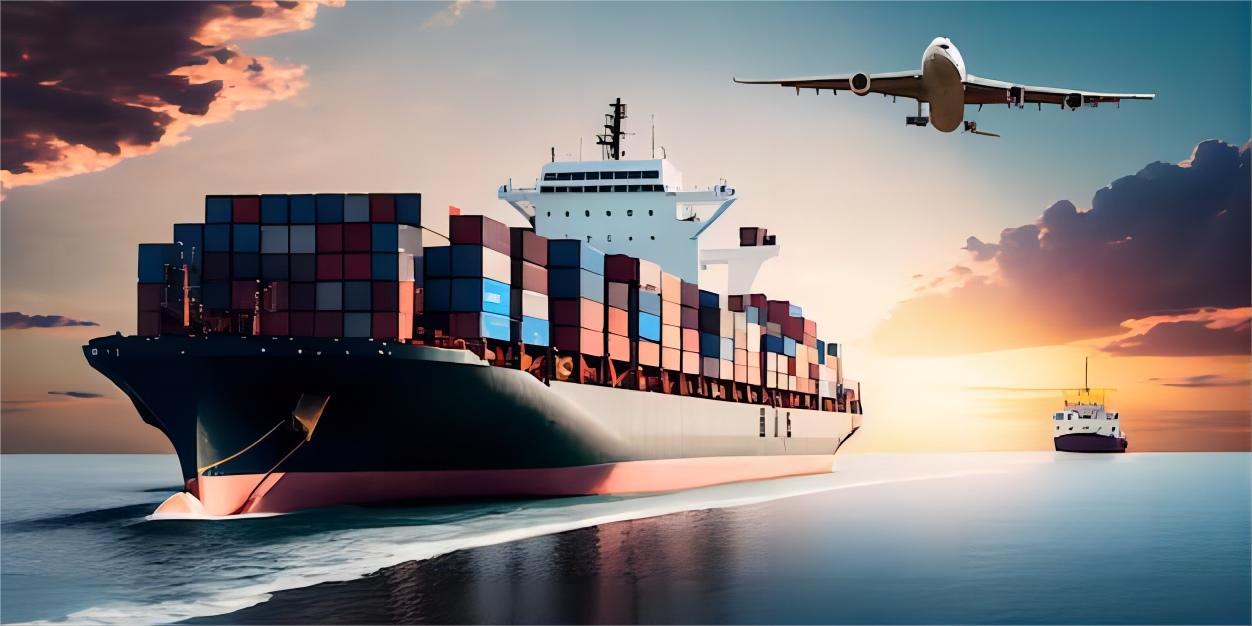
Presently, the automotive industry faces unprecedented supply chain pressures. A significant 20GP FCL container shortage from China to New York directly impacts the timely delivery of auto parts. This scarcity affects production schedules and increases overall shipping costs for many businesses.
Moreover, global events, port congestion, and imbalanced container repositioning exacerbate this issue. Consequently, finding a reliable freight forwarder and implementing proactive strategies becomes absolutely crucial. Businesses must adapt quickly to maintain operational efficiency.
Strategic Solutions for Navigating Auto Parts Shipping Challenges
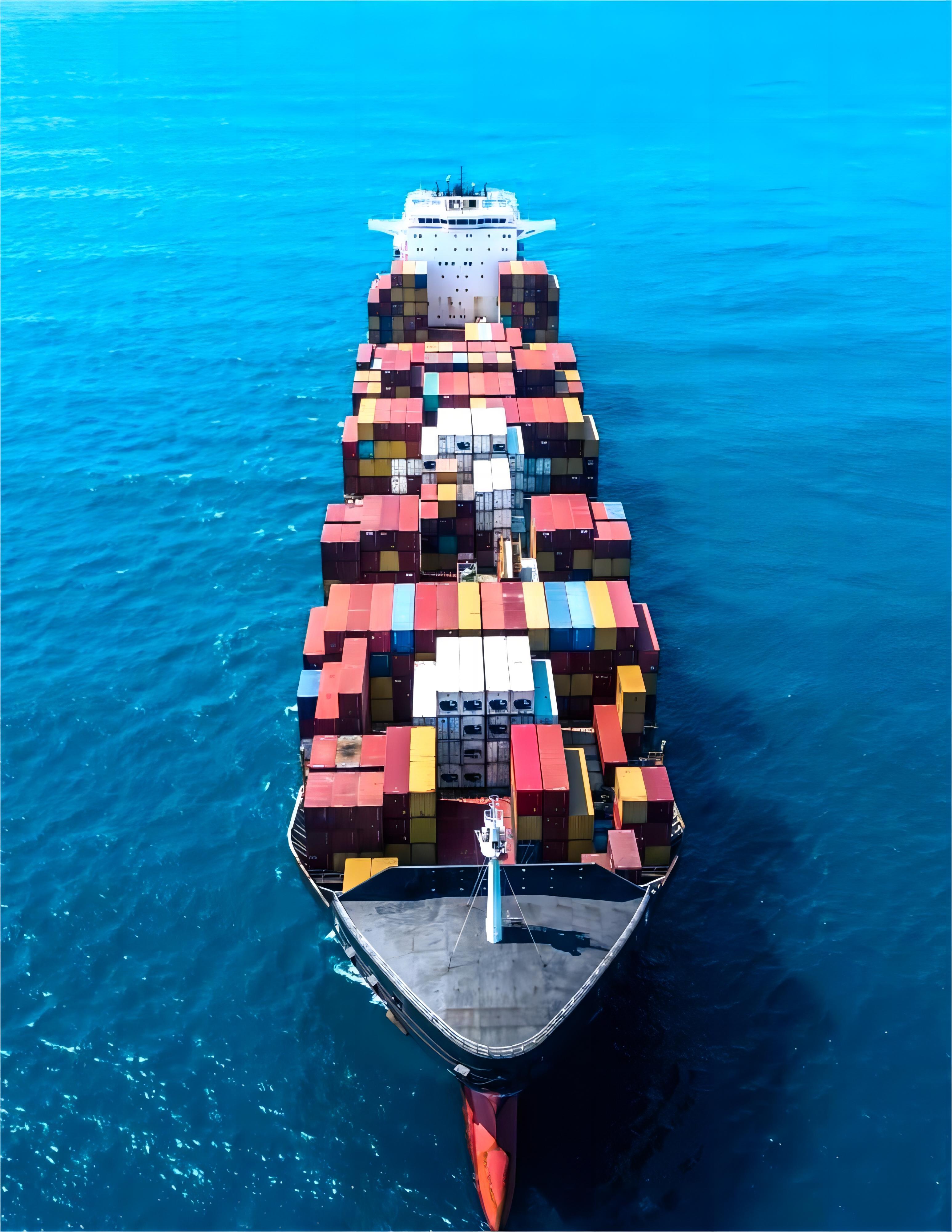
Overcoming the 20GP FCL container shortage requires a multi-faceted approach. Importers of auto parts from China to New York must explore various strategies. These include proactive planning, flexible container choices, and alternative shipping methods.

Certainly, securing your supply chain amidst these challenges is paramount. Therefore, understanding each solution’s benefits and limitations is essential for making informed decisions. This approach helps mitigate risks and maintain delivery schedules.
Proactive Booking and Demand Forecasting
Early booking is perhaps the most effective defense against container shortages. Planning your shipments well in advance allows for better allocation of resources. Furthermore, accurate demand forecasting helps your freight forwarder secure necessary space and equipment.
This forward-thinking approach significantly reduces the chances of last-minute disruptions. Consequently, it ensures a smoother shipping process for your valuable auto parts. Consider booking 4-6 weeks ahead, especially during peak seasons.
Diversifying Container Options and Consolidation
When 20GP FCL containers are scarce, exploring other container types is vital. For example, a 40GP or 40HQ might be available, albeit at a different cost. Additionally, Less than Container Load (LCL) shipping offers a viable alternative for smaller volumes.
Consolidating multiple small orders into an LCL shipment can save costs and reduce delays. This strategy is particularly effective for businesses that do not require a full 20GP container. For effective consolidation, consider our specialized door-to-door services.
Exploring Alternative Shipping Methods
Sea freight remains cost-effective, but when speed is critical, alternatives become necessary. Air freight provides significantly faster transit times, ideal for urgent or high-value auto parts. While more expensive, it can prevent costly production line stoppages.
Multimodal solutions, combining sea and rail or air and sea, also offer flexibility. For instance, a sea-air service can bridge the gap between pure air speed and pure sea cost. Explore air freight options for time-sensitive deliveries.
Optimizing Your Auto Parts Supply Chain from China to New York
An optimized supply chain is resilient to disruptions like container shortages. This involves strategic partnerships and efficient management of every logistics phase. For instance, leveraging technology provides crucial visibility and control.
Ultimately, a well-managed supply chain reduces overall shipping costs and improves delivery schedules. This comprehensive approach is essential for any business importing auto parts from China to New York. Effective customs brokerage is also a key component.
Partnering with a Reliable Freight Forwarder
A seasoned freight forwarder is your best ally during container shortages. They possess the network and expertise to source containers and negotiate favorable freight rates. Furthermore, they can offer alternative routes and shipping methods.
Selecting a partner with strong relationships with carriers and local agents is paramount. This ensures greater flexibility and responsiveness, even in challenging market conditions. They can also assist with complex documentation and compliance.
Leveraging Technology for Visibility and Control
Modern logistics platforms offer real-time tracking and supply chain analytics. This visibility helps you monitor your auto parts shipments from origin to destination. Consequently, you can anticipate delays and react proactively.
Furthermore, data-driven insights allow for continuous optimization of your logistics strategy. This includes managing inventory levels and predicting future shipping needs. Technology transforms reactive responses into proactive solutions.
How Does FCL Compare to Other Shipping Options for Auto Parts?
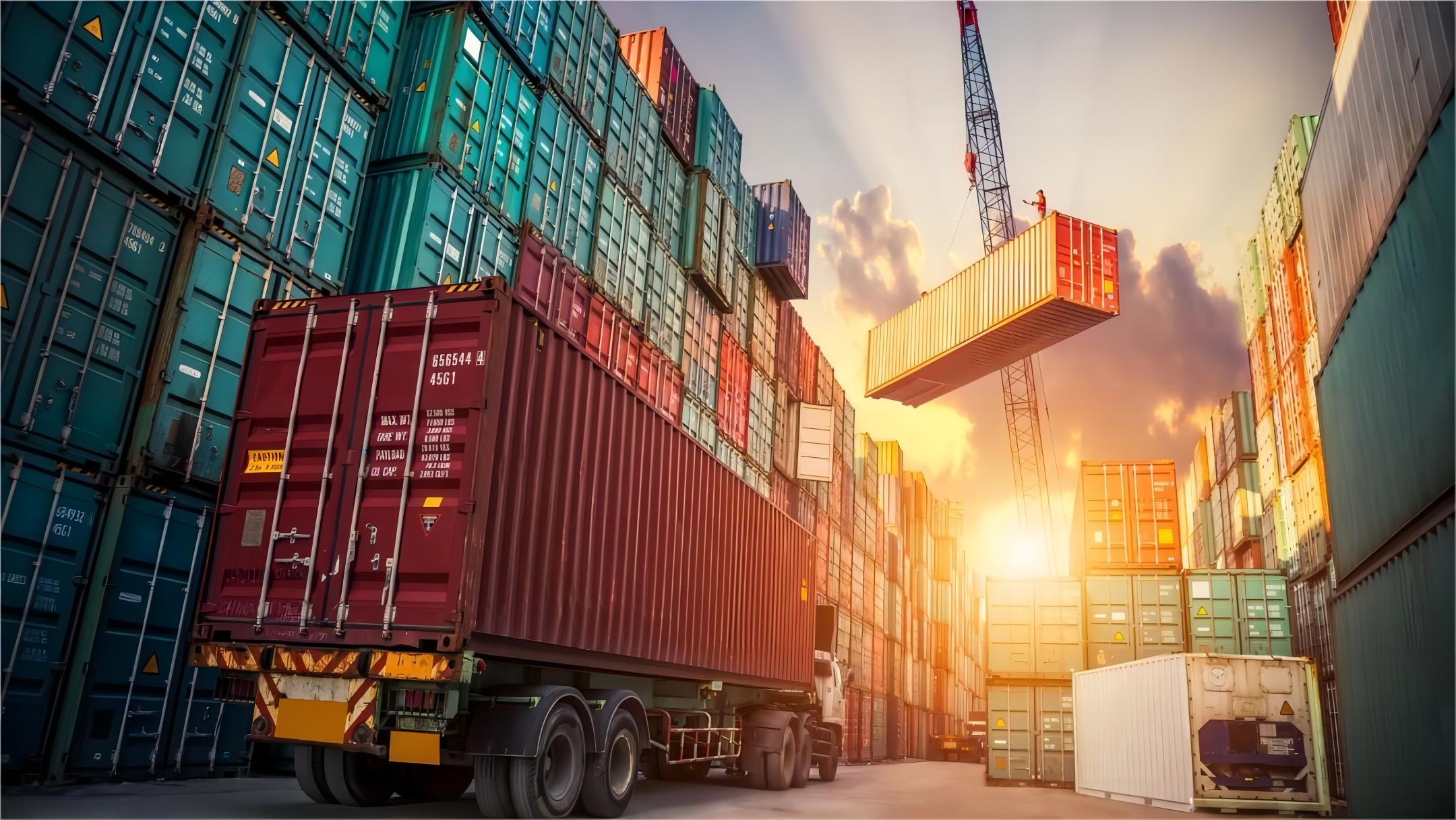
When shipping auto parts from China to New York, various methods offer distinct advantages and disadvantages. Understanding these differences is crucial for selecting the most appropriate solution. Each option balances cost, speed, and capacity.
Therefore, comparing these methods against your specific needs will guide your decision-making. This comprehensive analysis helps mitigate the impact of the 20GP FCL container shortage. Consider your budget, urgency, and cargo volume carefully.
| Shipping Method | Cost Range (20GP Equivalent) | Transit Time (China to New York) | Best For | Limitations |
|---|---|---|---|---|
| Sea Freight (FCL 20GP) | $2,500 – $3,500 | 30-35 days | Large volumes, non-urgent, cost-sensitive cargo | Slow, prone to port congestion, container shortages |
| Sea Freight (LCL) | $1,000 – $2,000 (per 10 CBM) | 35-45 days | Smaller volumes (under 15 CBM), cost-effective | Longer transit, more handling, higher risk of damage |
| Air Freight | $3,500 – $4,500 (per 1.5 CBM / 250 kg) | 5-7 days | Urgent, high-value, small volume auto parts | Very high cost, limited capacity for heavy/bulky items |
| Sea-Air Multimodal | $2,000 – $3,000 (per CBM) | 15-20 days | Medium urgency, balance of speed and cost | More complex logistics, multiple transshipment points |
Which Shipping Option Should You Choose for Your Auto Parts?
Selecting the optimal shipping method for your auto parts largely depends on your business priorities. Factors such as budget, required speed, and the nature of the cargo play a critical role. A clear decision framework helps streamline this process.
Consequently, evaluating each shipment against these criteria ensures you make the most economical and efficient choice. This approach helps overcome the ongoing 20GP FCL container shortage from China to New York. It also secures your supply chain resilience.
Budget Priority: Cost-Effective Solutions
If budget is your primary concern, standard sea freight remains the most economical option. For volumes that don’t fill a 20GP, LCL shipping can significantly reduce costs. This requires longer lead times but offers substantial savings.
Consider consolidating multiple orders to maximize container space, even for LCL. This strategy helps spread the fixed shipping costs across more goods. Always request detailed quotes to compare total landed costs effectively.
Speed Priority: Expedited Delivery
When time-to-market is critical, air freight is undoubtedly the fastest solution. It ensures your auto parts reach New York within days, not weeks. This method is ideal for preventing production delays or meeting urgent customer demands.
For a balance of speed and cost, explore sea-air multimodal options. These services offer a quicker alternative to pure sea freight without the full expense of direct air shipments. This flexibility is key during a 20GP FCL container shortage.
Cargo Type and Volume Considerations
The nature and volume of your auto parts also dictate the best shipping method. Heavy, bulky items are best suited for sea freight due to cost and capacity. Conversely, small, high-value, or fragile components might benefit from air freight’s careful handling.
For volumes between 1 CBM and 15 CBM, LCL is often more efficient than paying for an empty 20GP container. Over 15 CBM, a 20GP FCL or even a 40GP/HQ becomes more cost-effective. Always match the method to the cargo’s specific requirements.
Real-World Strategies: Case Studies for Auto Parts Shipping
These case studies illustrate practical solutions implemented by auto parts importers facing similar challenges. Each example highlights how strategic choices can overcome the 20GP FCL container shortage from China to New York. They demonstrate effective logistics planning.
Furthermore, these scenarios provide tangible insights into managing costs, transit times, and potential disruptions. They reflect current market rates and typical operational considerations as of early 2025. Note: Freight rates are subject to change based on fuel costs, carrier capacity, and seasonal demand. Contact us for a current quote tailored to your specific shipment.
Case Study 1: Urgent Small Batch for Critical Production
This case highlights a common challenge for auto parts importers facing urgent, smaller shipments. When a critical component was needed quickly, traditional sea freight was not an option. Speed was the paramount factor for this client.
| Detail | Value |
|---|---|
| Route | Shanghai, China -> New York (JFK), USA |
| Cargo | Engine sensors, 0.8 CBM, 150 kg |
| Container | Air Cargo (Consolidated) |
| Carrier/Service | Major air cargo carrier |
| Port of Loading | Shanghai Pudong International Airport (PVG) |
| Port of Discharge | John F. Kennedy International Airport (JFK) |
| Route Type | Direct Air Freight |
| Air Freight | $2,800 – $3,500 (based on Q1 2025 spot rates) |
| Origin Charges | $180 |
| Destination Charges | $120 |
| Customs & Duties (estimated) | $250 |
| Total Landed Cost | $3,350 – $4,050 |
| Booking to Loading | 1 day |
| Air Transit | 2-3 days |
| Customs Clearance | 1 day |
| Total Door-to-Door | 5-7 days |
| Key Insight | Air freight provided the necessary speed for critical parts, ensuring production lines remained operational despite higher cost. |
Case Study 2: Consolidating Multiple Suppliers via LCL
A client needed to import various auto parts from several suppliers across different Chinese cities. None of the individual orders justified a full 20GP FCL container. The solution involved strategic consolidation to optimize costs and logistics.
| Detail | Value |
|---|---|
| Route | Ningbo/Shenzhen, China -> New York, USA |
| Cargo | Assorted auto accessories and replacement parts, 12 CBM, 2,500 kg |
| Container | LCL Sea Freight |
| Carrier/Service | Major ocean carrier |
| Port of Loading | Ningbo & Shenzhen (consolidated at Shanghai) |
| Port of Discharge | Port of New York and New Jersey |
| Route Type | Transshipment via Busan |
| Ocean Freight | $1,440 – $2,160 (12 CBM @ $120-$180/CBM, Q2 2024 rates) |
| Origin Charges | $450 |
| Destination Charges | $380 |
| Customs & Duties (estimated) | $700 |
| Total Landed Cost | $2,970 – $3,690 |
| Booking to Loading | 5 days |
| Sea Transit | 35-40 days |
| Customs Clearance | 3 days |
| Total Door-to-Door | 45-50 days |
| Key Insight | LCL consolidation significantly reduced per-unit shipping costs and allowed flexible sourcing from multiple vendors. |
Case Study 3: Securing a 40HQ Amidst 20GP Shortage
A large distributor required a substantial volume of engine blocks and transmission components. Facing severe 20GP FCL container shortage, the focus shifted to alternative container sizes. This required careful planning and carrier negotiation.
| Detail | Value |
|---|---|
| Route | Qingdao, China -> New York, USA |
| Cargo | Engine blocks, transmission parts, 55 CBM, 15,000 kg |
| Container | 40HQ FCL |
| Carrier/Service | COSCO |
| Port of Loading | Qingdao |
| Port of Discharge | Port of New York and New Jersey |
| Route Type | Direct Service |
| Ocean Freight | $4,500 – $6,000 (based on Q3 2024 market rates) |
| Origin Charges | $600 |
| Destination Charges | $550 |
| Customs & Duties (estimated) | $1,200 |
| Total Landed Cost | $6,850 – $8,350 |
| Booking to Loading | 7 days |
| Sea Transit | 30-35 days |
| Customs Clearance | 2 days |
| Total Door-to-Door | 40-45 days |
| Key Insight | Flexibility in container choice (40HQ instead of 20GP) ensured timely shipment despite market scarcity, managing a large volume efficiently. |
Market Insights and Future Outlook for Auto Parts Logistics
The current logistics market for auto parts remains dynamic, influenced by various global factors. As of Q1 2025, freight rates from China to New York show some stabilization, yet volatility persists. Industry benchmarks suggest continued demand pressure on container availability.
Therefore, businesses must stay informed about evolving logistics trends and seasonal patterns. Rates typically increase 15-25% during August-October peak season, for instance. Proactive engagement with experienced logistics partners is more critical than ever. For faster shipping, consider our express service options.
Conclusion: Navigating the 20GP FCL Container Shortage Successfully
Effectively managing the 20GP FCL container shortage for auto parts from China to New York demands a proactive and adaptive strategy. By diversifying shipping methods, partnering with expert freight forwarders, and leveraging technology, businesses can mitigate disruptions. This ensures a resilient and efficient supply chain.
Ultimately, successful navigation through these challenging times relies on informed decision-making and strong logistical support. We are committed to providing the solutions you need. We help ensure your auto parts reach their destination reliably and cost-effectively.
Need a tailored shipping solution?
Are you struggling with the 20GP FCL container shortage for your auto parts shipments from China to New York? Do not let logistics challenges hinder your business growth. Contact us today for a personalized consultation and a competitive quote tailored to your specific needs.