

- By ayla tj
- November 28, 2025
- Logistics Guide
Ensuring stable 20GP FCL space availability for auto parts from China to Ireland has become increasingly challenging as global demand surges and shipping lines face frequent vessel rollovers. However, importers can still secure space reliably if they understand schedule patterns, capacity fluctuations, and carrier availability. This guide provides everything you need to plan shipments with confidence.
1. What Determines 20GP FCL Space Availability for Auto Parts from China to Ireland?

Space availability is influenced by multiple structural and seasonal factors. Moreover, global automotive supply chains are time-sensitive, meaning delays can disrupt assembly lines and impact production.
Key influences include:
- Carrier capacity allocations
- Peak-season space competition
- Port congestion at China load ports
- Unbalanced trade flows in Europe
- Equipment shortages (20GP container shortages)
- Automotive demand cycles
- Booking lead times
Additionally, global logistics volatility means importers must monitor availability weekly, especially when shipping critical components.
2. How Does the Global Container Market Impact Space Availability?
Global capacity shifts significantly impact 20GP availability. For instance, strong U.S. or EU demand may pull equipment away from China, causing shortages. Furthermore, carriers adjust vessels regularly based on profitability, which influences space and booking reliability.
Global Space Impact Factors Table
| Factor | Impact on 20GP Space | Notes |
|---|---|---|
| Peak season | High shortage risk | Aug–Nov worst period |
| Equipment repositioning | Reduces availability | Affects inland China |
| Blank sailings | Limits capacity | Common during low demand |
| Freight rate surges | Increased competition | Higher space bidding |
| Geo-political events | Sudden schedule disruption | Impacts EU routes |
Because auto parts often come in high volume with rigid deadlines, shippers must plan ahead to secure reliable loading windows.
3. What Is the Typical Transit Time for 20GP FCL from China to Ireland?
Transit times vary depending on the chosen port pair and carrier service frequency. Additionally, many China–Ireland routes require transshipment in major hubs such as Rotterdam, Antwerp, or Hamburg.
Transit Time Comparison Table
| China Port | Ireland Destination | Transit Time | Notes |
|---|---|---|---|
| Shanghai | Dublin | 34–42 days | Transshipment at Rotterdam |
| Ningbo | Cork | 36–45 days | Stable feeder connections |
| Shenzhen/Yantian | Dublin | 38–48 days | Strong export volume |
| Qingdao | Dublin | 40–52 days | May involve 2 transshipments |
| Xiamen | Dublin | 37–46 days | Fewer carrier options |
Transit time affects space management because limited feeder capacity in EU ports can create bottlenecks, reducing available slots for Ireland-bound cargo.
What are you waiting for?
Contact chinatopfreight for a fast, free quote.
Are you ready to book?
Access live instant freight quotes
4. Why Is Space Tight for 20GP Containers When Shipping Auto Parts?
20GP containers are preferred for heavy automotive components such as:
- Engine parts
- Gearbox assemblies
- Brake systems
- Crankshafts
- Metal components
- Bearings
- Drive shafts
Since these items are weight-intensive but not bulky, the 20GP container is the ideal choice, leading to recurrent shortages.
Additional Reasons Why 20GP Is in High Demand
- Balanced weight distribution
- Lower cost per ton compared to 40GP
- Easier handling at Ireland ports
- Preferred by manufacturers for heavy commodities
Therefore, securing 20GP space requires proactive booking, especially during periods of strong auto manufacturing demand.
5. How Do Freight Rates Affect 20GP FCL Space Availability?
Higher rates can incentivize carriers to reposition containers or add extra loaders, thus improving space conditions. However, during volatile market cycles, high rates may create competition among shippers.
Rate Impact Overview
| Freight Rate Trend | Impact on Space Availability |
|---|---|
| Rising rates | More carriers add capacity |
| Falling rates | Reduced services, stricter space control |
| Stable rates | Predictable weekly availability |
Even though auto part shipments prioritize stability over cheap rates, importers must watch weekly price movements.
6. What Documents Are Required for Auto Parts Shipping from China to Ireland?
Documentation consistency ensures smooth export and import procedures. Moreover, Irish customs regulations require accurate classification of automotive goods.
Documents Checklist Table
| Document | Purpose |
|---|---|
| Commercial Invoice | Valuation + import duties |
| Packing List | Weight + container space planning |
| Bill of Lading | Proof of shipment |
| Export Declaration (China) | Export compliance |
| Import Declaration (Ireland) | Customs entry |
| HS Code Classification | Defines tariff application |
| CE/Technical Certificates | Auto component requirements |
Accurate paperwork reduces inspection risks and protects sailing schedules.
7. How Can Importers Secure 20GP FCL Space During Peak Seasons?
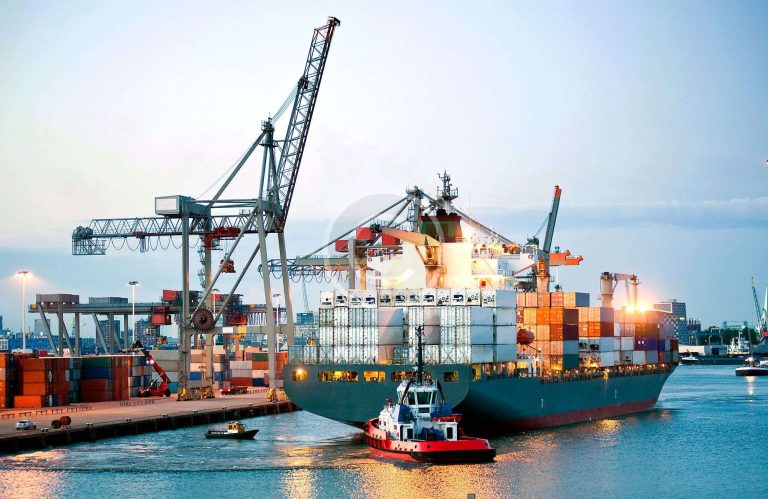
During August–November, space becomes extremely competitive across China. Furthermore, carriers may apply “space protection” for long-term customers.
Effective Peak-Season Booking Strategies
- Book at least 2–3 weeks ahead
- Avoid last-minute cargo readiness changes
- Request space confirmation from multiple carriers
- Use priority services or premium loading options
- Consolidate shipments to avoid split bookings
- Select high-volume export ports like Ningbo or Shanghai
Additionally, consider advanced contracts for long-term stability if you ship regularly.
8. What Are the Differences Between 20GP, 40GP, and 40HQ for Auto Parts?
Although 20GP is the preferred option for heavy items, it’s important to compare them.
Container Comparison Table
| Container Type | Capacity | Best For | Limitations |
|---|---|---|---|
| 20GP | 33 CBM | Heavy auto parts | Often in short supply |
| 40GP | 67 CBM | Mixed cargo | Higher cost |
| 40HQ | 76 CBM | Light yet bulky components | Oversized height for some parts |
Auto parts such as brake systems or steel assemblies fit best in 20GP due to weight constraints.
9. What Are the Pros and Cons of Sea Freight for Auto Parts Compared to Air or Rail?
Although air freight is faster, it is expensive and unsuitable for heavy components. Rail freight is impossible for Ireland, making FCL sea freight the logical choice.
Shipping Method Comparison Table
| Method | Cost | Transit Time | Pros | Cons |
|---|---|---|---|---|
| FCL Sea Freight (20GP) | Lowest | 34–52 days | Cost-effective, ideal for heavy items | Slow during peak season |
| Air Freight | High | 3–7 days | Fastest for urgent parts | Expensive for heavy metal components |
| Rail Freight | Not applicable | — | — | No direct China–Ireland connection |
Sea freight remains the dominant and most practical method for Ireland-bound automotive cargo.
10. What Causes Sudden Shortages of 20GP FCL Space?
Space shortages occur due to both predictable cycles and unexpected disruptions.
Common Shortage Triggers
- China export surges
- Blank sailings
- Port lockdowns or congestion
- Increased automotive demand in Europe
- Container repositioning constraints
- Severe weather impacting feeder schedules
Because Ireland relies on transshipment, even minor disruptions at EU hub ports may lead to delayed container availability.
Conclusion
Understanding 20GP FCL space availability for auto parts from China to Ireland empowers importers to plan strategically, avoid peak-season disruptions, and maintain stable production cycles. Moreover, early booking, accurate documentation, and coordination with experienced forwarders significantly improve reliability. By adopting these practices, auto supply chains can reduce delays, control costs, and ensure every shipment arrives safely and on time.
FAQ
1. How early should I book 20GP space for auto parts shipments?
Booking 2–3 weeks in advance is ideal, especially before peak season. Early planning ensures container availability and reduces the risk of rolled or delayed cargo.
2. Are 20GP containers better for heavy auto components?
Yes, 20GP is the best container for weight-heavy parts like engines and metal assemblies. Its compact size ensures safe loading and avoids weight-limit violations.
3. Can space availability change after booking is confirmed?
Yes, carriers may adjust allocations due to congestion or blank sailings. Monitoring updates and working closely with your forwarder helps avoid delays.
4. Do auto parts require special packaging for sea freight?
Most components require durable wooden crates or reinforced pallets. Proper packaging reduces vibration damage and ensures compliance with Irish import standards.
5. Why do Ireland-bound shipments require transshipment?
Ireland has limited direct sailings from China. Most shipments pass through Rotterdam or Antwerp and then load onto feeder vessels serving Dublin or Cork.