

- By ayla tj
- November 28, 2025
- Logistics Guide
Securing specialized equipment is increasingly difficult for global shippers, especially for oversized or top-loading cargo. When examining the Open Top FCL container shortage solution for lighting from China to Europe, many importers experience delays caused by limited equipment, unstable allocations, and inconsistent carrier availability. This guide presents practical strategies to overcome shortages, reduce risk, and maintain reliable delivery schedules for lighting products.
1. What Causes the Open Top FCL Container Shortage for Lighting Shipments?
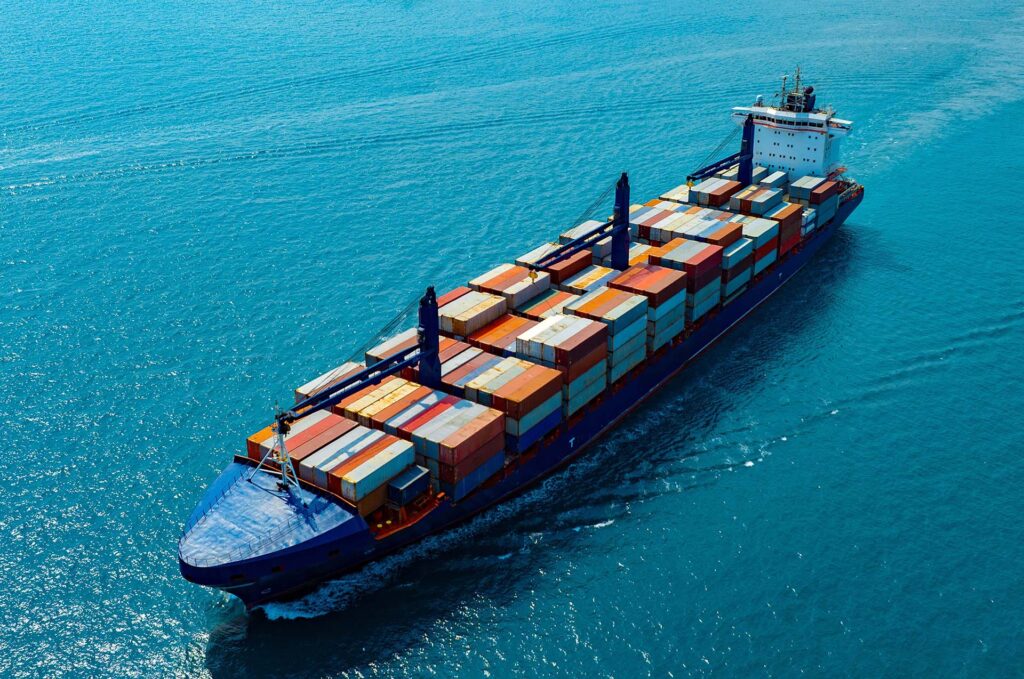
Multiple global factors contribute to the shortage of Open Top equipment. Additionally, lighting products—especially industrial fixtures, oversized lamps, commercial lighting frames, and architectural components—often exceed standard container height limits.
Key Causes of Open Top Shortages
- Global imbalance of special equipment
- Carriers prioritizing standard 40HQ/40GP inventory
- High seasonal demand for construction and renovation
- Port congestion preventing equipment return
- Long repositioning cycles from Europe back to Asia
- Frequent blank sailings affecting special container supply
Since lighting products are frequently large, fragile, and top-load–required, Open Top containers naturally face more competition.
2. Why Are Open Top Containers Important for Lighting Cargo?
Open Top containers allow top loading, making them ideal for:
- Extra-tall commercial lighting poles
- Industrial lamp assemblies
- Stage lighting frames
- Oversized lamps or ceiling fixtures
- Fragile exhibition lighting structures
Additionally, Open Top containers prevent tilting or forced angle loading, which reduces breakage risk for delicate lighting products.
Lighting Cargo Compatibility Table
| Lighting Product Type | Suitable for Open Top FCL | Notes |
|---|---|---|
| Commercial light poles | Yes | Oversized height |
| Industrial fixtures | Yes | Fragile components |
| LED exhibition structures | Yes | Top loading required |
| Household lighting | Sometimes | Standard FCL also works |
| Architectural lighting frames | Yes | Extra width or height |
Because many lighting products cannot be tilted or compressed, Open Top containers remain essential for EU-bound shipments.
3. What Is the Impact of Open Top Shortages on China–Europe Supply Chains?
Container shortages affect production schedules and retail planning. Moreover, lighting distributors rely on consistent inbound flow to support ongoing construction projects across Europe.
Major Impacts
- Shipping delays of 2–4 weeks
- Increased freight costs for special equipment
- Higher risk of project delays in Europe
- Storage fees at factories due to waiting time
- Additional trucking costs for alternative loading options
Therefore, monitoring availability and planning early becomes crucial.
What are you waiting for?
Contact chinatopfreight for a fast, free quote.
Are you ready to book?
Access live instant freight quotes
4. What Are the Best Open Top FCL Container Shortage Solutions for Lighting from China to Europe?
To overcome shortages effectively, importers should adopt a multi-layered strategy. Furthermore, freight forwarders with strong carrier partnerships can provide guaranteed allocations for special equipment.
Primary Shortage Solutions
Solution A — Early Booking (2–4 Weeks Ahead)
Booking early significantly increases allocation success because carriers assign special equipment based on early demand forecasts.
Solution B — Flexible POL Selection
Major ports like Shanghai, Ningbo, and Qingdao have more Open Top inventory than inland depots.
Solution C — Use Flat Rack Containers as Backups
Although not always ideal, Flat Racks can support oversized lighting cargo when Open Tops are unavailable.
Solution D — Request Carrier Equipment Protection
Many carriers offer equipment guarantee programs, which lock in special equipment before vessel cut-off times.
Solution E — Split Shipments Across Multiple Carriers
Diversifying reduces the risk of container rollovers or allocation rejections.
By combining these measures, importers substantially increase the odds of securing Open Top containers.
5. How Much Does an Open Top FCL Typically Cost from China to Europe?
Open Top equipment costs more than standard containers due to limited supply and higher repositioning costs.
Open Top FCL Pricing Table
| Cost Category | Typical Range (USD) |
|---|---|
| Base Freight Rate | $4,200 – $7,800 |
| Open Top Equipment Fee | $300 – $800 |
| China Export Handling | $150 – $220 |
| EU Terminal Handling | $320 – $480 |
| Documentation | $60 – $120 |
| Europe Inland Trucking | $400 – $900 |
| Estimated Total | $5,430 – $10,320 |
Prices depend on destination (Rotterdam, Hamburg, Antwerp, Valencia), carrier availability, and market conditions.
6. What Transit Times Should You Expect for Lighting Shipments to Europe?
Transit time varies based on the chosen service route, carrier rotation, and transshipment points.
Transit Time by Destination Table
| EU Port | Transit Time | Notes |
|---|---|---|
| Rotterdam | 28–36 days | Most reliable |
| Hamburg | 30–38 days | Smooth inland links |
| Antwerp | 31–39 days | Stable schedules |
| Valencia | 32–40 days | Longer routing |
| Gdansk | 35–45 days | Transshipment required |
Since lighting shipments often require urgent delivery for construction deadlines, transit planning is essential.
7. What Documents Are Required for Exporting Lighting Products to Europe?

Lighting products require additional compliance and certification requirements, especially under EU electrical and safety regulations.
Customs and Compliance Documents Checklist
| Document | Purpose |
|---|---|
| Commercial Invoice | Duty calculation |
| Packing List | Dimension + loading method |
| Bill of Lading | Transport record |
| CE Certification | EU electrical compliance |
| RoHS Compliance | Environmental safety |
| Export Declaration | China customs process |
| HS Code Classification | Tariff assignment |
Accurate documentation ensures smooth customs clearance and prevents delays due to inspection.
8. How Do Air, Sea, and Rail Options Compare for Lighting Cargo?
Although sea freight is the main method for Open Top shipments, comparing alternatives helps importers choose the best backup strategy during shortages.
Shipping Method Comparison Table
| Mode | Cost | Transit Time | Best For | Limitations |
|---|---|---|---|---|
| Sea Freight (Open Top FCL) | Moderate | 28–45 days | Oversized lighting cargo | Equipment shortages |
| Flat Rack FCL | Moderate–High | 28–45 days | Backup for oversized goods | Requires heavy lashing |
| Air Freight | Very high | 3–7 days | Urgent lighting orders | Not suitable for large fixtures |
| Rail Freight | Medium | 16–25 days | Smaller lighting loads | No Open Top support |
| LCL Sea Freight | Low | 32–50 days | Small lighting shipments | Higher damage risk |
Sea freight remains the only viable choice for oversized lighting structures.
9. How Can Importers Reduce the Risk of Container Shortages?
Proactive planning helps mitigate shortage risks. Moreover, supply chain transparency allows timely adjustments before shipping deadlines.
Key Risk Reduction Strategies
- Maintain weekly communication with freight forwarders
- Use multiple carriers instead of a single line
- Pre-position booking requests before major holidays
- Allow flexible loading windows to boost allocation chances
- Confirm cargo dimensions early to avoid rejections
When importers apply these tactics collectively, Open Top shortage issues diminish significantly.
10. Should Importers Consider Cargo Optimization for Open Top Shipments?
Yes—optimizing packaging, pallet structure, and loading height helps reduce space limitations.
Optimization Techniques
- Use reinforced pallets for stability
- Reduce unnecessary padding for oversized lights
- Disassemble fixtures when possible
- Use factory-built loading frames
- Lower total height for top-loading flexibility
These techniques make approval easier when container space is restricted.
Conclusion
Understanding the Open Top FCL container shortage solution for lighting from China to Europe helps importers plan ahead, reduce delays, and avoid project disruptions across the European lighting market. Moreover, strategic booking, cargo optimization, and diversified routing increase equipment availability even during peak seasons. With professional logistics support, lighting shipments can move more reliably, cost-effectively, and on time.
FAQ
1. How early should I book an Open Top container for lighting cargo?
Booking 2–4 weeks in advance is ideal. Early reservations increase allocation success and allow carriers to reserve special equipment for oversized lighting shipments.
2. Can Flat Rack containers replace Open Top containers?
Flat Racks can serve as alternatives for oversized lighting cargo. However, they require more lashing, and carriers may charge extra for handling and deck loading.
3. Why are Open Top containers limited on China–Europe routes?
Carriers prioritize standard equipment, while special units have slower rotation cycles. High demand and repositioning challenges create recurring shortages for Open Tops.
4. Do lighting products require special packaging for sea freight?
Yes, most lighting items need reinforced cartons, wooden frames, or foam-lined crates. Proper packaging ensures cargo stability during top loading and long-distance transport.
5. How can I reduce the chance of having my lighting cargo rolled?
Request early allocation, remain flexible with POL, and maintain steady communication with your freight forwarder. Carriers often roll late or inaccurate bookings first.