

20GP FCL Tracking: Toys from China to Germany Made Easy
The global toy market thrives on efficient logistics, especially when sourcing from China for destinations like Germany. Ensuring reliable freight forwarding and transparent 20GP FCL tracking for toys from China to Germany is paramount for businesses. Without a doubt, managing these international shipments demands precision and visibility. Consequently, understanding the entire shipping process, from booking to final delivery, becomes crucial for maintaining supply chain integrity.
✦
What is 20GP FCL Shipping for Toy Imports?
A 20GP, or 20-foot General Purpose container, is a standard shipping unit widely used in international trade. FCL, Full Container Load, signifies that your cargo occupies the entire container, irrespective of its volume. This method is particularly advantageous for businesses importing substantial quantities of toys.
Choosing 20GP FCL for toy imports from China to Germany offers significant benefits. It provides enhanced security for your goods, reducing the risk of damage or loss during transit. Furthermore, it often proves more cost-effective than LCL (Less than Container Load) for larger volumes, ensuring predictable sea freight costs.
Consequently, this shipping solution is ideal for bulk toy shipments, such as seasonal stock or new product launches. It ensures that your entire consignment arrives together, streamlining inventory management and distribution processes. Therefore, many toy importers prioritize FCL for its efficiency and reliability.
Why is Tracking Crucial for 20GP FCL Toys from China to Germany?
Real-time tracking for your 20GP FCL shipment provides unparalleled visibility into your supply chain. This transparency allows businesses to monitor their cargo’s journey from the factory floor in China to its final destination in Germany. Consequently, you can anticipate potential delays and proactively manage expectations.
Moreover, effective tracking significantly contributes to improved inventory management. Knowing the precise location and estimated arrival time of your toy shipments enables better planning for warehouse space and distribution. This proactive approach minimizes storage costs and ensures products are available when needed.
Ultimately, robust tracking mitigates risks associated with international shipping. It allows for quick identification of issues like port congestion or customs holds, facilitating prompt resolution. Therefore, investing in reliable 20GP FCL tracking for toys from China to Germany is a strategic decision for supply chain resilience.
How Does 20GP FCL Tracking Work for Shipments to Germany?
20GP FCL tracking typically begins once your container is loaded onto the vessel and departs the port of origin. Freight forwarders provide a Bill of Lading (B/L) number or container number, which serves as your primary tracking identifier. This unique code allows you to monitor your shipment’s progress through various online platforms.
Most tracking systems offer key milestones throughout the journey. These updates include vessel departure from China, transit points, estimated arrival at German ports like Hamburg or Bremerhaven, and customs clearance status. Additionally, advanced platforms may integrate GPS or AIS (Automatic Identification System) data for more granular vessel positioning.
Furthermore, many logistics providers offer automated notifications via email or SMS for critical updates. This ensures you remain informed without constantly checking tracking portals. Consequently, this comprehensive tracking functionality empowers businesses with full control and insight over their toy imports during their entire delivery schedule.
Key Steps in Shipping 20GP FCL Toys from China to Germany
The shipping process for 20GP FCL toys from China to Germany involves several critical stages. Initially, you must secure your booking with a reputable freight forwarder and ensure all necessary documentation is prepared. This includes the commercial invoice, packing list, and Bill of Lading, which are vital for smooth transit.
Subsequently, your toys are loaded into the 20GP container at the origin warehouse or factory and transported to a Chinese port, such as Shanghai or Ningbo. Here, the container undergoes customs clearance in China before being loaded onto a container vessel. The vessel then embarks on its ocean transit across international waters.
Upon arrival at a German port, the container undergoes destination port procedures and customs brokerage. This phase involves inspections, duty payments, and compliance checks. Finally, once cleared, the container is transported by truck or rail to your designated warehouse or distribution center in Germany, completing the door-to-door journey.
Navigating Customs and Compliance for Toy Imports into Germany
Importing toys into Germany, a member of the European Union, necessitates strict adherence to EU regulations. Foremost among these is the EU Toy Safety Directive 2009/48/EC, which mandates specific safety standards for all toys sold within the bloc. Therefore, ensuring your products meet these requirements is non-negotiable for successful import.
Crucially, all imported toys must bear the CE marking, indicating conformity with European safety, health, and environmental protection standards. Furthermore, manufacturers must provide a Declaration of Conformity (DoC) and technical documentation, including test reports. These documents prove compliance with standards like EN 71.
Moreover, importers are responsible for accurate customs declarations, including correct Harmonized System (HS) codes and declared values. Incorrect documentation can lead to significant delays, fines, or even seizure of goods. Partnering with an experienced customs broker can greatly simplify this complex process, ensuring all import/export formalities are correctly handled.
How Does 20GP FCL Compare to Other Shipping Options for Toys?
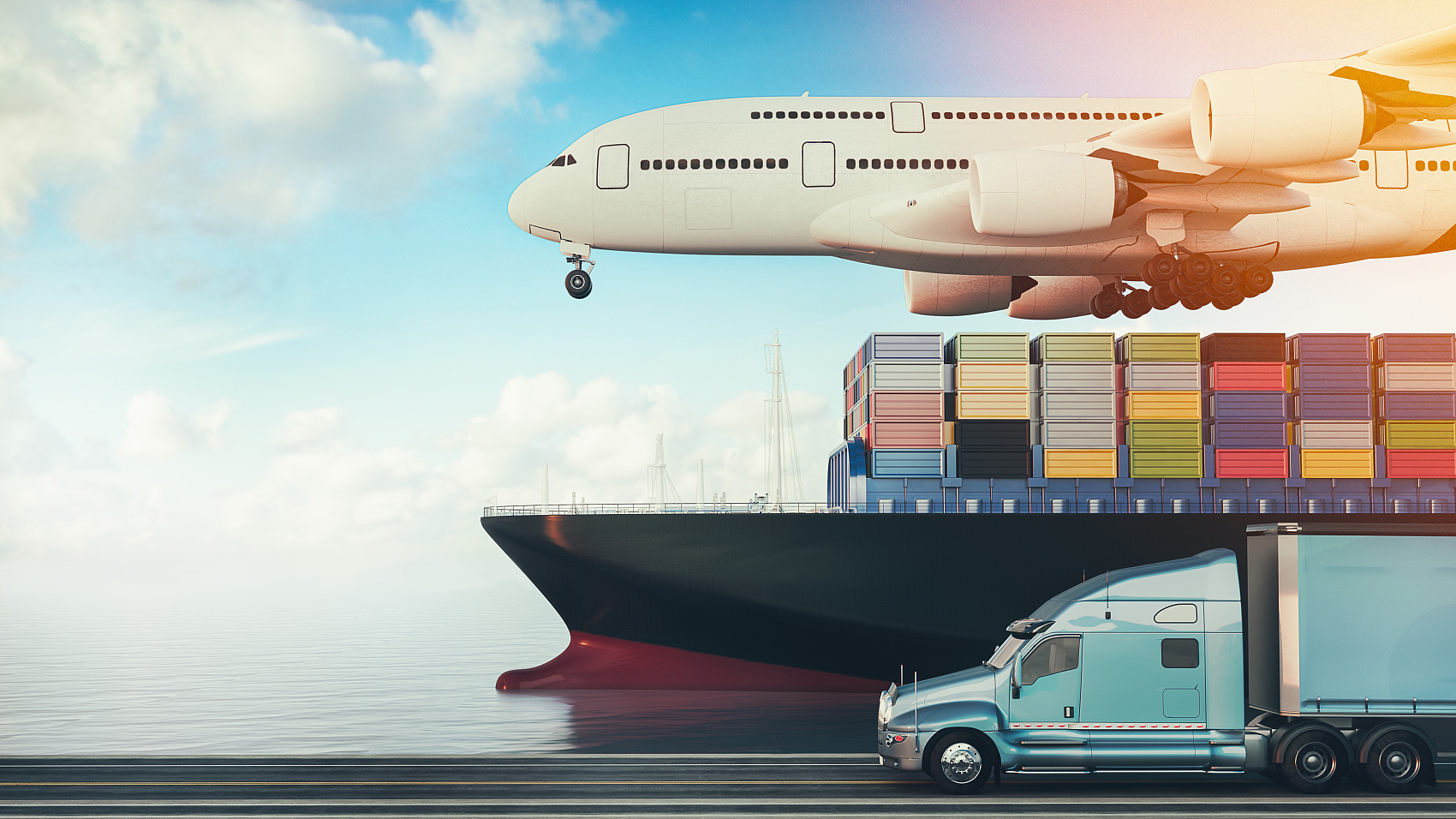
When importing toys from China to Germany, several shipping methods are available, each with distinct advantages and disadvantages. 20GP FCL sea freight is typically the most cost-effective option for large volumes, offering significant savings compared to air cargo. However, it comes with longer transit times, which can impact urgent delivery schedules.
Conversely, air freight provides the fastest transit, ideal for high-value, time-sensitive, or smaller toy shipments. While speed is its main advantage, the shipping costs are considerably higher, making it less suitable for bulk, low-margin products. Rail freight offers a middle ground, faster than sea but slower than air, with competitive rates for certain routes.
Ultimately, the best choice depends on your specific priorities: budget, speed, and cargo volume. For instance, if budget is paramount and you have ample lead time, 20GP FCL is superior. If speed is critical for a product launch, air freight might be necessary. Consider your supply chain needs carefully to make an informed decision.
| Shipping Method | Cost Range (20GP Equivalent) | Transit Time (China-Germany) | Best For | Limitations |
|---|---|---|---|---|
| 20GP FCL Sea Freight | $1,800 – $2,500 | 28-35 days | Large volumes, cost-effectiveness, heavy goods | Longer transit times, less flexibility |
| LCL Sea Freight | $50 – $80 per CBM | 30-40 days | Smaller volumes (under 15 CBM), flexible | Higher per-unit cost than FCL, potential delays from consolidation |
| Air Freight | $8,000 – $15,000+ | 5-7 days | Urgent, high-value, small volume shipments | Very high cost, strict weight/volume limits |
| Rail Freight | $4,000 – $6,000 | 18-22 days | Medium urgency, balanced cost/speed, certain inland destinations | Less capacity than sea, specific route limitations |
Which Option Should You Choose?
Your decision framework should align with your business objectives. If budget priority is key, 20GP FCL sea freight is recommended. For speed priority, especially for urgent stock, air freight is the optimal choice. Furthermore, cargo type considerations, such as fragility or hazardous materials, might influence your method.
Volume thresholds for switching methods are also important. For shipments under 15 CBM, LCL might be more economical than FCL. However, for anything exceeding this, 20GP FCL generally offers better per-unit costs and security. Always balance cost-saving strategies with the need for timely and safe delivery.

Real-World Scenarios: 20GP FCL Toy Shipments to Germany
Understanding real-world applications of 20GP FCL tracking for toys from China to Germany provides practical insights. These case studies highlight the challenges and successes of various import scenarios. They demonstrate how efficient logistics planning and reliable partners ensure smooth deliveries.
Based on Q3 2024 market rates, these examples reflect typical costs and timelines. Freight rates are subject to change based on fuel costs, carrier capacity, and seasonal demand. Contact us for a current quote tailored to your specific shipment.
Case Study 1: Seasonal Plush Toy Collection
This importer needed to bring in a large volume of plush toys for the upcoming holiday season. The priority was cost-effectiveness while ensuring sufficient lead time for retail distribution. A 20GP FCL was the ideal solution for this bulk shipment.
| Detail | Description |
|---|---|
| Route | Ningbo, China Hamburg, Germany |
| Cargo | Plush toys, 28 CBM, 4,500 kg |
| Container | 20GP FCL |
| Shipping Details | Carrier: COSCO, Port of Loading: Ningbo, Port of Discharge: Hamburg, Route Type: Direct |
| Cost Breakdown | Ocean Freight: $2,100, Origin Charges: $350, Destination Charges: $400, Customs & Duties (estimated): $1,200, Total Landed Cost: $4,050 |
| Timeline | Booking to Loading: 5 days, Sea Transit: 30 days, Customs Clearance: 3 days, Total Door-to-Door: 38 days |
| Key Insight | Early booking during off-peak season secured favorable freight rates and ensured ample time for holiday market entry. |
Case Study 2: Educational Board Games for Q1 Launch
A client required a consistent supply of educational board games for a Q1 product launch across Germany. While not extremely urgent, a reliable and predictable delivery schedule was paramount. 20GP FCL offered the perfect balance of cost and manageable transit time.
| Detail | Description |
|---|---|
| Route | Shenzhen, China Bremerhaven, Germany |
| Cargo | Educational board games, 25 CBM, 6,000 kg |
| Container | 20GP FCL |
| Shipping Details | Carrier: Maersk, Port of Loading: Shenzhen, Port of Discharge: Bremerhaven, Route Type: Transshipment via Singapore |
| Cost Breakdown | Ocean Freight: $2,300, Origin Charges: $400, Destination Charges: $450, Customs & Duties (estimated): $1,500, Total Landed Cost: $4,650 |
| Timeline | Booking to Loading: 7 days, Sea Transit: 32 days, Customs Clearance: 4 days, Total Door-to-Door: 43 days |
| Key Insight | Despite transshipment, consistent tracking updates allowed for precise inventory planning and a successful product launch without unexpected delays. |
Case Study 3: Action Figures for a Niche Market
A specialized retailer needed a specific batch of action figures to fulfill pre-orders. Although the volume was on the lower end for FCL, the delicate nature of the items and the need for dedicated container space justified a 20GP FCL shipment to ensure minimal handling and damage.
| Detail | Description |
|---|---|
| Route | Shanghai, China Hamburg, Germany |
| Cargo | Collectible action figures, 20 CBM, 3,000 kg |
| Container | 20GP FCL |
| Shipping Details | Carrier: MSC, Port of Loading: Shanghai, Port of Discharge: Hamburg, Route Type: Direct |
| Cost Breakdown | Ocean Freight: $2,000, Origin Charges: $320, Destination Charges: $380, Customs & Duties (estimated): $1,000, Total Landed Cost: $3,700 |
| Timeline | Booking to Loading: 6 days, Sea Transit: 29 days, Customs Clearance: 2 days, Total Door-to-Door: 37 days |
| Key Insight | Choosing FCL provided critical cargo security for fragile, high-value items, minimizing damage risks inherent in LCL consolidation processes. |
Optimizing Your Supply Chain for Toy Imports to Germany
Beyond just tracking, optimizing your entire supply chain is vital for sustained success in toy imports. This involves strategic planning from the point of manufacture in China to the final delivery in Germany. Consequently, efficient cargo handling and logistics trends play a significant role.
Consider implementing consolidation strategies if you source from multiple suppliers in China. A freight forwarder can collect goods from various factories and combine them into a single 20GP FCL container. This reduces shipping costs and simplifies documentation for your door-to-door service.
Furthermore, exploring value-added services like warehousing, distribution, and even Amazon FBA preparation can streamline your operations. These services minimize handling points and accelerate market entry once your toys arrive in Germany. Therefore, a holistic approach to logistics can significantly enhance efficiency.
Choosing the Right Freight Partner for Your 20GP FCL Shipment
Selecting an experienced freight forwarder is perhaps the most critical decision for successful 20GP FCL tracking for toys from China to Germany. A reliable partner offers not just transportation but also invaluable expertise in international logistics and customs regulations. Their guidance can prevent costly delays and ensure compliance.
Look for a partner with proven experience on the China-Europe route and robust tracking capabilities. They should offer transparent communication and real-time updates on your shipment’s status. Moreover, an ideal freight forwarder provides comprehensive services, from origin pickup to destination delivery.
Ultimately, a strong partnership ensures peace of mind and operational efficiency. They can navigate complex customs procedures, manage unexpected challenges, and provide competitive freight rates. This allows you to focus on your core business, confident that your toy imports are in capable hands.
Conclusion
Ultimately, mastering 20GP FCL tracking for toys from China to Germany is essential for any successful importer. By understanding the process, leveraging technology, and partnering with experienced freight forwarders, you can achieve unparalleled supply chain visibility and efficiency. Therefore, prioritize reliable tracking to protect your investment and delight your customers.
Achieving seamless logistics for your toy imports requires attention to detail and proactive management. With the right strategies and support, your 20GP FCL shipments will arrive safely and on schedule, reinforcing your business reputation. Indeed, investing in robust tracking systems and expert guidance pays dividends.