

China FCL Supply Chain Solution to Seattle: Your Ultimate Guide
Navigating international logistics can be complex, especially when importing goods via Full Container Load (FCL) from China to Seattle. Businesses often face challenges like fluctuating freight rates, customs delays, and ensuring timely delivery. Consequently, optimizing your China FCL supply chain solution to Seattle is paramount for efficiency and cost-effectiveness. This comprehensive guide will equip you with the knowledge to streamline your FCL shipments and overcome common hurdles.
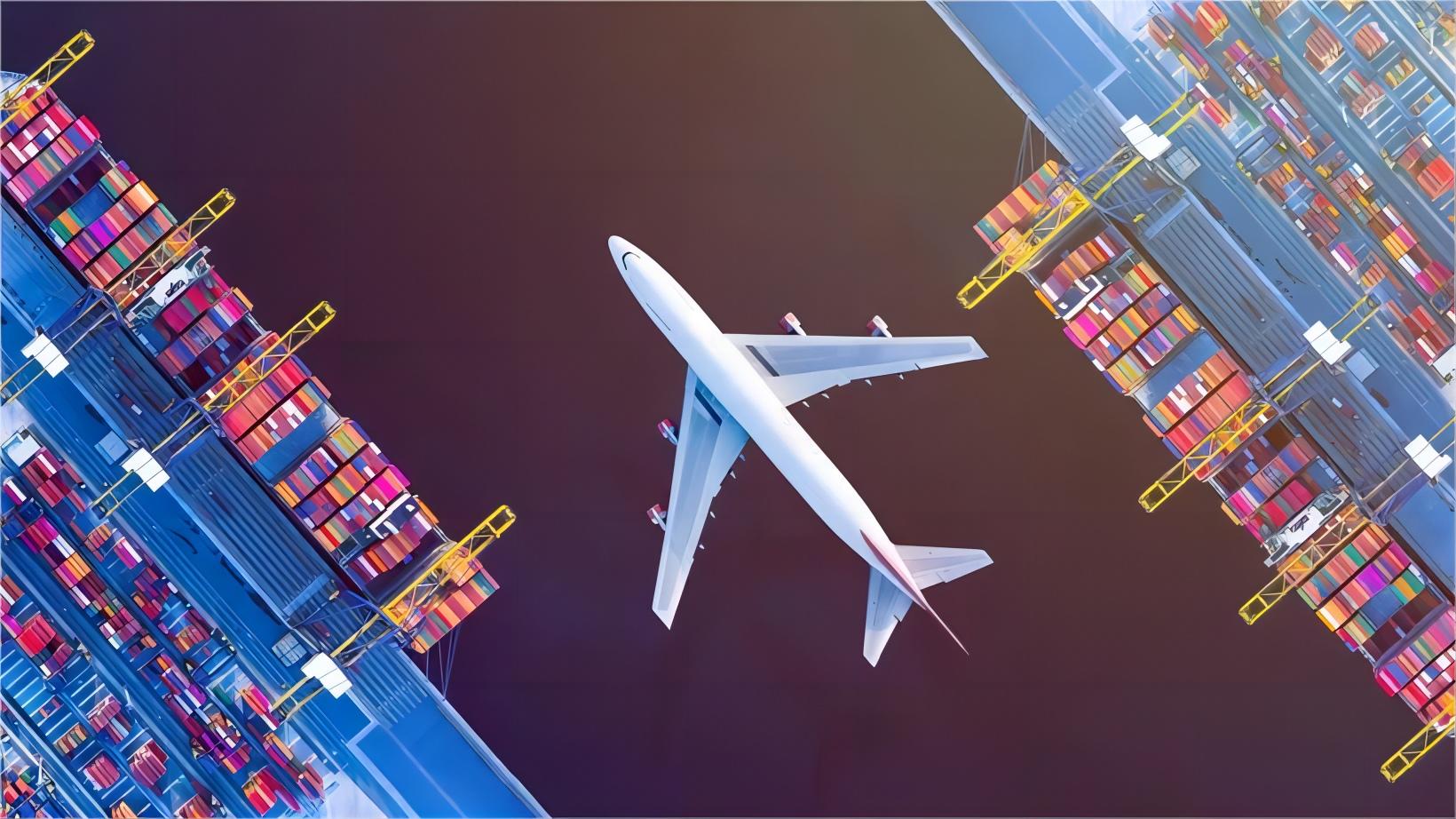
What is FCL Shipping and Why Choose it for Seattle Imports?
FCL, or Full Container Load, refers to ocean freight where an importer leases an entire shipping container for their cargo. This method is ideal when your shipment volume is sufficient to fill a 20-foot or 40-foot container. Indeed, choosing FCL for your China to Seattle route offers significant advantages.
Primarily, FCL shipments ensure greater security and faster transit times compared to Less than Container Load (LCL). Your cargo remains undisturbed within its dedicated container from origin to destination, minimizing handling and potential damage. Therefore, for businesses with substantial import volumes, FCL represents a robust and often more economical sea freight option.
How Does FCL Compare to Other Shipping Options?
Understanding the various shipping methods is crucial for an effective China FCL supply chain solution to Seattle. Each option presents different trade-offs in terms of cost, speed, and suitability for various cargo types. Consequently, evaluating these alternatives helps businesses make informed decisions.
While FCL excels in certain scenarios, other methods like LCL or air freight might be more appropriate depending on your specific needs. For instance, smaller shipments might benefit from LCL, whereas urgent deliveries often require air freight. Below is a detailed comparison of common shipping methods from China to the USA West Coast.
| Shipping Method | Cost Range (40HQ Equivalent) | Transit Time (China to Seattle) | Best For | Limitations |
|---|---|---|---|---|
| FCL Sea Freight | $2,800 – $3,800 | 14-18 days | Large volume, non-urgent, cost-effective | Slower than air, port congestion risks |
| LCL Sea Freight | $1,500 – $2,500 (for 15-20 CBM) | 20-30 days | Smaller volume, cost-effective, less than 15 CBM | Longer transit, more handling, complex pricing |
| Air Freight | $15,000 – $25,000 (for similar volume) | 3-7 days | Urgent, high-value, small volume | Very high cost, volume/weight restrictions |
| Sea-Air Hybrid | $8,000 – $12,000 | 10-15 days | Moderately urgent, balanced cost/speed | More complex coordination, limited routes |
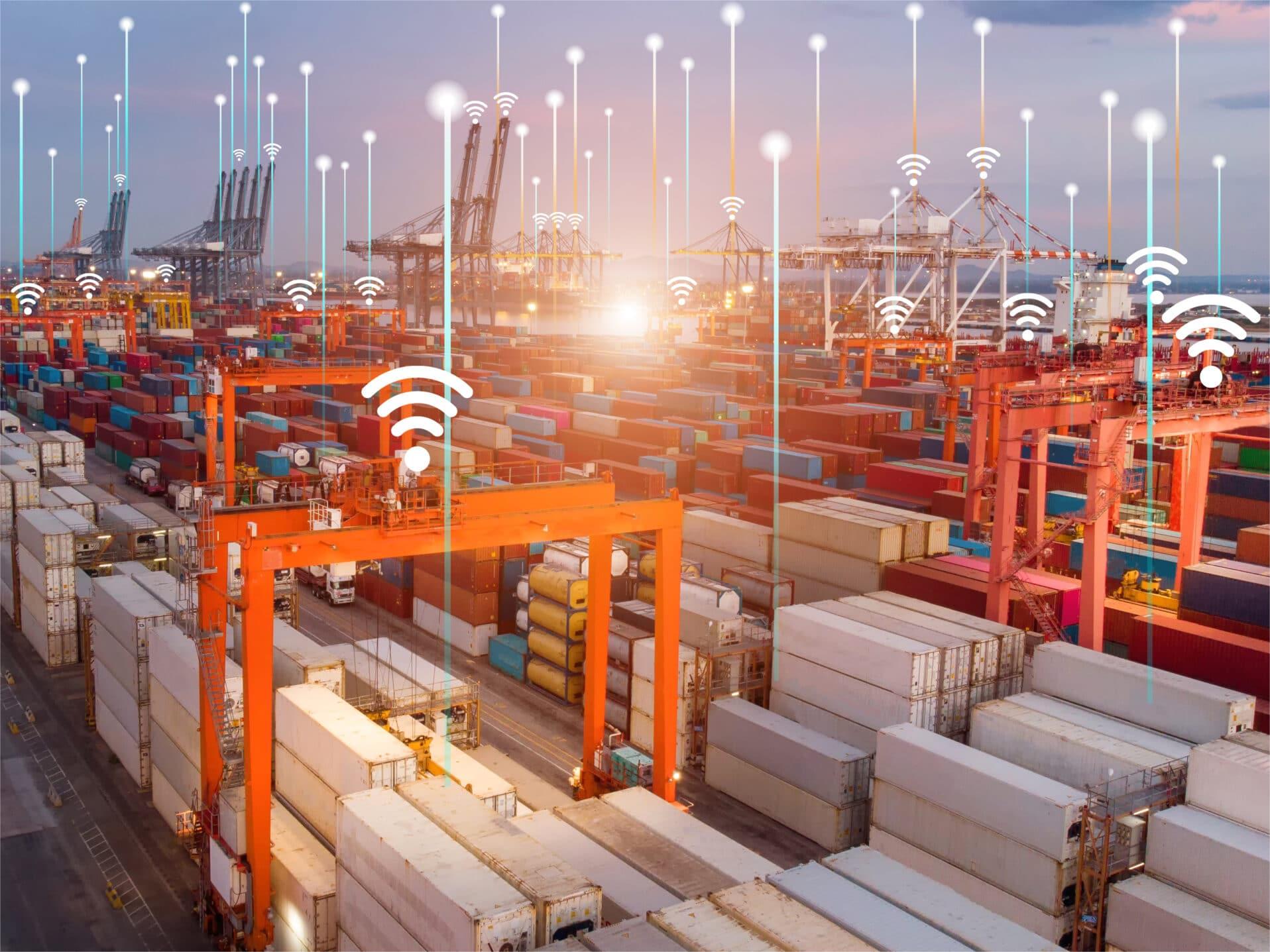
Key Components of an Efficient China FCL Supply Chain to Seattle
Building a resilient China FCL supply chain solution to Seattle involves several critical stages, from origin to final delivery. Therefore, meticulous planning and coordination are essential for smooth operations. Understanding each component helps mitigate risks and optimize performance.
From factory pickup in China to drayage in Seattle, every step impacts overall efficiency and cost. Effective management of these stages can significantly reduce transit time and potential delays. Moreover, working with an experienced freight forwarder can simplify these complex processes.
Origin Logistics and Documentation
At the origin, efficient cargo handling and proper documentation are paramount. This includes booking the container, arranging factory pickup, and ensuring all export documents are correctly prepared. Furthermore, accurate customs declaration in China prevents delays.
Key documents often include the Commercial Invoice, Packing List, Bill of Lading, and any necessary permits or licenses. Consequently, errors at this stage can lead to significant setbacks and additional costs. A reliable customs brokerage partner is invaluable here.
Ocean Transit and Route Optimization
The ocean voyage from China to Seattle typically takes between 14 to 18 days for direct routes. However, transit time can vary based on the port of loading and the specific carrier. Choosing optimal routes and carriers can significantly impact delivery schedules.
Direct routes, while sometimes slightly more expensive, can save several days compared to routes involving transshipment through other Asian ports. Additionally, monitoring potential port congestion at both origin and destination is crucial for accurate planning. Market data suggests rates from China to USA West Coast (including Seattle) have seen some stabilization in early 2025 after previous fluctuations.
Customs Clearance and Port Procedures in Seattle
Upon arrival at the Port of Seattle, efficient customs clearance is vital to avoid demurrage and detention charges. All import duties, taxes, and regulatory requirements must be met promptly. Therefore, having a pre-cleared shipment is highly advantageous.
This stage involves submitting the Importer Security Filing (ISF), Entry Summary (CBP Form 7501), and other relevant documents to U.S. Customs and Border Protection (CBP). Any discrepancies can lead to cargo holds and inspections, delaying your entire supply chain. Partnering with experts ensures compliance and minimizes risks.
Last-Mile Delivery and Distribution
Once cleared, the container needs to be transported from the Port of Seattle to its final destination. This final leg, often referred to as drayage, is a critical component of a seamless door-to-door service. Efficient coordination with trucking companies is essential.
Furthermore, if your goods require warehousing or distribution services in Seattle, integrating these into your supply chain plan is crucial. This holistic approach ensures your products reach consumers or fulfillment centers without unnecessary delays. For example, businesses utilizing Amazon FBA services need precise scheduling for delivery appointments.
Real-World China FCL Supply Chain Solution to Seattle Case Studies
Examining actual scenarios provides practical insights into optimizing your China FCL supply chain solution to Seattle. These examples highlight how different businesses navigate the complexities of international shipping. They demonstrate the impact of strategic choices on cost and transit time. Each case study reflects typical rates as of early 2025.
From managing diverse product types to overcoming logistical hurdles, these instances offer valuable lessons. Understanding these real-world applications can help you anticipate challenges and plan more effectively for your own imports. Note: Freight rates are subject to change based on fuel costs, carrier capacity, and seasonal demand. Contact us for a current quote tailored to your specific shipment.
Case Study 1: Electronics Importer Seeking Speed and Reliability
| Detail | Description |
|---|---|
| Route | Shanghai, China -> Seattle, USA |
| Cargo | Consumer Electronics (Laptops, Tablets), 35 CBM, 12,000 kg |
| Container | 40HQ |
| Shipping Details | |
| – Carrier/Service | COSCO, Direct Service |
| – Port of Loading | Shanghai |
| – Port of Discharge | Seattle |
| – Route Type | Direct |
| Cost Breakdown (Estimated) | |
| – Ocean Freight | $3,500 |
| – Origin Charges (THC, documentation) | $350 |
| – Destination Charges (THC, drayage to warehouse) | $800 |
| – Customs & Duties (estimated) | $1,200 |
| – Total Landed Cost | $5,850 |
| Timeline (Estimated) | |
| – Booking to Loading | 5 days |
| – Sea Transit | 16 days |
| – Customs Clearance | 2 days |
| – Total Door-to-Door | 25 days |
| Key Insight | Prioritizing a direct service with a major carrier ensured minimal transit time and predictable delivery, crucial for fast-moving electronics. This approach reduced the risk of stockouts. |

Case Study 2: Furniture Retailer Focused on Cost-Effectiveness
| Detail | Description |
|---|---|
| Route | Ningbo, China -> Seattle, USA |
| Cargo | Flat-pack Furniture, 60 CBM, 8,000 kg |
| Container | 40HQ |
| Shipping Details | |
| – Carrier/Service | MSC, Standard Service |
| – Port of Loading | Ningbo |
| – Port of Discharge | Seattle |
| – Route Type | Direct (via some internal transshipment) |
| Cost Breakdown (Estimated) | |
| – Ocean Freight | $3,100 |
| – Origin Charges (THC, documentation) | $300 |
| – Destination Charges (THC, drayage to distribution center) | $750 |
| – Customs & Duties (estimated) | $900 |
| – Total Landed Cost | $5,050 |
| Timeline (Estimated) | |
| – Booking to Loading | 7 days |
| – Sea Transit | 18 days |
| – Customs Clearance | 3 days |
| – Total Door-to-Door | 28 days |
| Key Insight | Opting for a slightly longer transit time with a competitive carrier allowed for significant cost savings on ocean freight. This strategy suited a less time-sensitive product with higher volume. |
Case Study 3: Apparel Brand Managing Seasonal Peaks
| Detail | Description |
|---|---|
| Route | Shenzhen, China -> Seattle, USA |
| Cargo | Seasonal Apparel, 55 CBM, 7,500 kg |
| Container | 40HQ |
| Shipping Details | |
| – Carrier/Service | Evergreen, Peak Season Booking |
| – Port of Loading | Shenzhen |
| – Port of Discharge | Seattle |
| – Route Type | Direct |
| Cost Breakdown (Estimated) | |
| – Ocean Freight | $3,800 (Q4 peak season rate) |
| – Origin Charges (THC, documentation) | $400 |
| – Destination Charges (THC, drayage to fulfillment center) | $850 |
| – Customs & Duties (estimated) | $1,100 |
| – Total Landed Cost | $6,150 |
| Timeline (Estimated) | |
| – Booking to Loading | 6 days |
| – Sea Transit | 17 days |
| – Customs Clearance | 2 days |
| – Total Door-to-Door | 27 days |
| Key Insight | Proactive booking during Q4 peak season was crucial. While rates were higher, securing space ensured timely arrival for holiday sales. Planning ahead minimized potential disruptions. |
Which Option Should You Choose for Your China FCL Supply Chain to Seattle?
Selecting the right shipping strategy for your China FCL supply chain solution to Seattle depends on several factors. These include your budget, the urgency of your shipment, and the nature of your cargo. Thoughtful consideration of these elements leads to optimal logistics decisions.
Therefore, a clear decision framework can help streamline this process. Evaluating your priorities against available options will ensure you choose the most suitable and cost-effective method. Remember, flexibility and adaptability are key in international shipping.
Budget Priority: Cost-Saving Strategies
If cost is your primary concern, FCL sea freight generally offers the best value for larger volumes. Consider booking well in advance, especially outside of peak seasons, to secure lower rates. Moreover, explore different carriers for competitive pricing and service levels. Opting for standard services over expedited ones can also yield savings.
Speed Priority: Expedited Solutions
For time-sensitive goods, air freight is undoubtedly the fastest, albeit most expensive, option. However, for a balance of speed and cost, a sea-air hybrid solution might be suitable. This involves sea freight to a transit hub (like South Korea or UAE) then air freight to Seattle. Prioritizing direct FCL services also shaves days off transit time.
Cargo Type Considerations
The nature of your cargo significantly influences the best shipping method. Fragile or high-value items might benefit from the reduced handling of FCL or the speed of air freight. Conversely, bulky, low-value goods are typically best suited for standard FCL sea freight. Always ensure proper packaging and insurance regardless of the method chosen.
Volume Thresholds for Switching Methods
Generally, if your cargo exceeds 15-20 CBM (cubic meters), FCL becomes more economical than LCL. For example, a 20GP container holds approximately 28 CBM, and a 40HQ holds around 68 CBM. Below this threshold, LCL might offer better cost efficiency. Nevertheless, always compare quotes for both LCL and FCL to determine the exact crossover point for your specific shipment.

Optimizing Your Supply Chain for Reduced Delays and Costs
Achieving an optimized China FCL supply chain solution to Seattle requires proactive management and strategic partnerships. Reducing shipping delays and costs directly impacts your bottom line. Therefore, continuous improvement and monitoring are essential.
Implementing best practices and leveraging technology can significantly enhance efficiency. From precise inventory management to real-time tracking, every improvement contributes to a more robust supply chain. This proactive approach minimizes disruptions and maximizes profitability.
Leveraging Technology and Visibility
Modern logistics platforms offer real-time tracking and supply chain visibility, allowing you to monitor your FCL shipments from China to Seattle. This technology provides early warnings for potential delays, enabling proactive problem-solving. Indeed, enhanced visibility leads to better decision-making and improved delivery schedules. Consider platforms that integrate with carriers and customs for comprehensive data.
Building Strong Freight Forwarder Relationships
A reputable freight forwarder acts as an extension of your team, managing the complexities of international shipping. They can negotiate better rates, handle customs documentation, and coordinate all logistics. Consequently, a strong relationship with an experienced partner ensures smoother operations and expert guidance. Look for partners with proven expertise in the China-USA trade lane.
Mitigating Risks: Port Congestion and Peak Seasons
Port congestion and peak shipping seasons (e.g., before Chinese New Year, Q3-Q4 holiday rush) are common causes of delays and increased costs. Planning ahead and booking early during these periods is crucial. Additionally, consider alternative ports or routes if Seattle experiences severe congestion. Diversifying your shipping strategy can provide resilience against unforeseen disruptions.
Final Thoughts on Your China FCL Supply Chain to Seattle
Establishing an efficient and reliable China FCL supply chain solution to Seattle is critical for businesses operating in today’s global market. By understanding the nuances of FCL shipping, comparing alternatives, and leveraging expert support, you can significantly enhance your import operations. Ultimately, strategic planning and execution lead to reduced costs and improved delivery times.
Partnering with an experienced logistics provider like China Top Freight ensures your cargo moves smoothly from China to Seattle. We manage everything from origin logistics to final delivery, providing peace of mind. Therefore, invest in a robust FCL supply chain to secure your competitive advantage.
Start Your Shipment
Ready to optimize your China FCL supply chain solution to Seattle? Our team of experts at China Top Freight is here to provide tailored logistics strategies and competitive quotes. Do not hesitate to contact us today for a seamless shipping experience.
Request Quote