

Overcoming Container Shortages for FCL Shipping China to Texas
The persistent container shortage presents significant challenges for businesses relying on FCL shipping from China to Texas. Securing reliable capacity and managing escalating costs requires strategic planning and proactive measures. This guide explores practical solutions to navigate these disruptions and ensure your cargo reaches its destination efficiently with China Top Freight.
✦
Why is There a Container Shortage for FCL Shipping from China to Texas?
Several factors contribute to the ongoing container shortage impacting FCL shipping from China to Texas. Primarily, global supply chain disruptions, port congestion, and uneven demand recovery have created a significant imbalance. Consequently, empty containers are often stuck in the wrong locations, exacerbating the problem.
Moreover, increased consumer demand in North America, particularly for goods manufactured in Asia, strains available shipping capacity. This surge in volume, coupled with labor shortages at key ports and inland facilities, further complicates the timely return and redistribution of containers. Therefore, understanding these root causes is crucial for developing effective solutions.
What are the Strategic Solutions for Mitigating FCL Shortage Risks?
Proactive strategies are essential to mitigate the risks associated with the container shortage for FCL shipping. Firstly, booking well in advance and maintaining flexible shipping schedules can help secure container space. Additionally, considering alternative ports of loading in China or discharge in Texas can sometimes bypass heavily congested hubs.
Furthermore, exploring carrier contracts and long-term agreements provides greater stability in terms of pricing and allocation. Collaborating closely with a reliable freight forwarder, like China Top Freight, ensures you receive priority access to available containers and up-to-date market insights. This partnership is vital for navigating volatile market conditions effectively.
How Can You Optimize Your FCL Shipping Route to Texas?
Optimizing your FCL shipping route from China to Texas involves several key considerations beyond just direct port-to-port transit. For instance, evaluating intermodal solutions that combine ocean freight with rail or truck transport from Texas ports can significantly improve final delivery times. This approach can also reduce demurrage and detention charges.
Indeed, leveraging advanced tracking and visibility tools allows for real-time monitoring of your shipments, enabling quick adjustments to potential delays. Moreover, working with a freight forwarder experienced in door-to-door service can streamline the entire logistics process, from factory gate to your Texas warehouse. This comprehensive approach minimizes hand-offs and potential bottlenecks.
How Does Ocean Freight Compare to Other Shipping Options to Texas?
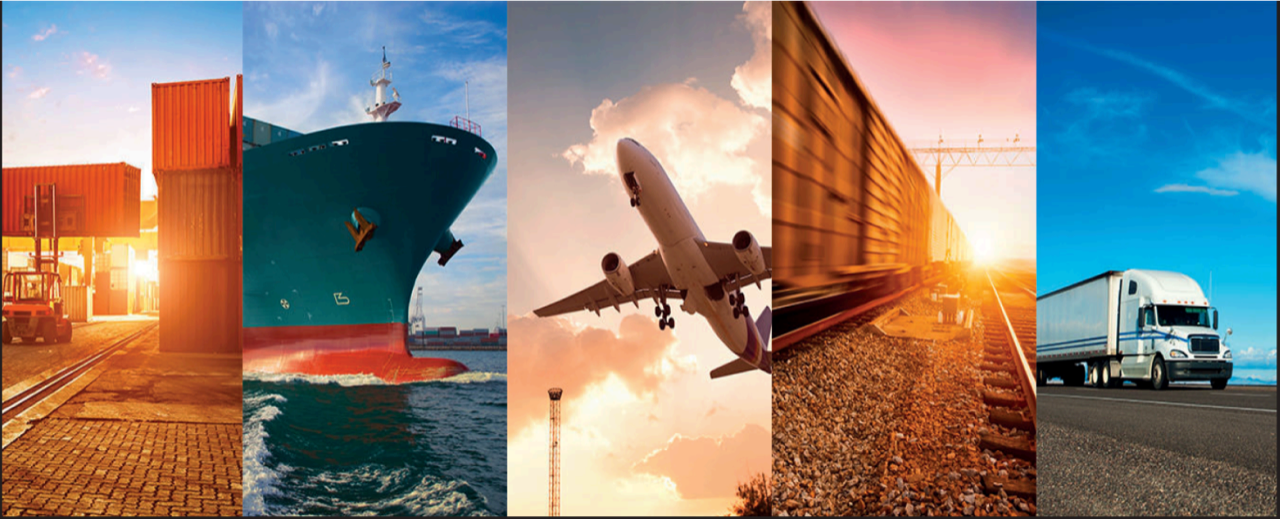
When considering FCL shipping from China to Texas, it is important to compare ocean freight with alternative transportation methods. While ocean freight is generally the most cost-effective for large volumes, its transit times are considerably longer. Conversely, air freight offers speed but at a significantly higher cost, making it suitable for urgent or high-value cargo.
Similarly, hybrid solutions, such as sea-air, can provide a balance between cost and speed for specific scenarios. Understanding these trade-offs is crucial for making informed decisions tailored to your supply chain requirements. Therefore, assessing your cargo’s urgency, value, and volume will guide your choice.
| Shipping Method | Cost Range (40HQ est.) | Transit Time (China to Texas) | Best For |
|---|---|---|---|
| Ocean Freight (FCL) | $4,500 – $6,000 | 30-35 days | Large volumes, non-urgent, cost-sensitive |
| Air Freight | $15,000 – $25,000+ | 5-7 days | Urgent, high-value, small volume |
| Sea-Air (Hybrid) | $8,000 – $12,000+ | 15-20 days | Moderately urgent, balanced cost/speed |
Which FCL Shipping Option to Texas is Right for Your Business?
Choosing the right shipping option for your FCL shipments to Texas depends on several critical factors. If budget is your primary concern and you have ample lead time, sea freight remains the most economical choice. However, be prepared for potential delays due to port congestion or container availability.
Conversely, if speed is paramount for your products, then air freight is the clear winner, despite its higher cost. For businesses with fluctuating inventory needs or specific delivery windows, a flexible logistics partner can help navigate these decisions. Ultimately, aligning your shipping strategy with your business goals is key to successful import operations.
Note: Freight rates are subject to change based on fuel costs, carrier capacity, and seasonal demand. Contact us for a current quote tailored to your specific shipment.
What Are Real-World Examples of FCL Shipments from China to Texas?
Examining real-world case studies provides valuable insights into effective strategies for FCL shipping from China to Texas. These examples highlight how businesses successfully navigated container shortages and optimized their logistics. They demonstrate the importance of meticulous planning and adaptive execution.
These scenarios also illustrate the impact of choosing the right shipping method and partner. They offer practical lessons for importers facing similar challenges in their supply chains. Based on Q3 2024 market rates, these cases reflect typical conditions.
Case Study 1: Furniture Import to Houston
This case involved a furniture importer facing delays due to peak season congestion. By pre-booking capacity and utilizing a less congested port, they maintained their delivery schedule.
| Detail | Value |
|---|---|
| Route | Ningbo, China Houston, Texas |
| Cargo | Flat-pack furniture, 65 CBM, 12,000 kg |
| Container | 1x 40HQ |
| Carrier/Service | COSCO |
| Port of Loading | Ningbo |
| Port of Discharge | Houston |
| Route Type | Direct |
| Ocean Freight | $5,200 |
| Origin Charges | $450 |
| Destination Charges | $600 |
| Customs & Duties (estimated) | $1,500 |
| Total Landed Cost | $7,750 |
| Booking to Loading | 10 days |
| Sea Transit | 32 days |
| Customs Clearance | 3 days |
| Total Door-to-Door | 45 days |
| Key Insight | Early booking and port flexibility mitigated peak season impact. |
Case Study 2: Electronics Components to Dallas
An electronics distributor required a consistent supply chain despite fluctuating demand. They opted for a combination of FCL for base stock and expedited air freight for urgent components.
| Detail | Value |
|---|---|
| Route | Shanghai, China Dallas, Texas |
| Cargo | Electronics components, 58 CBM, 10,500 kg |
| Container | 1x 40GP |
| Carrier/Service | MSC |
| Port of Loading | Shanghai |
| Port of Discharge | Houston |
| Route Type | Transshipment via Busan |
| Ocean Freight | $4,800 |
| Origin Charges | $400 |
| Destination Charges | $550 |
| Customs & Duties (estimated) | $1,200 |
| Total Landed Cost | $6,950 |
| Booking to Loading | 12 days |
| Sea Transit | 38 days |
| Customs Clearance | 4 days |
| Total Door-to-Door | 55 days |
| Key Insight | Combined FCL with air freight for critical components, managing overall supply chain risk. |
Case Study 3: Apparel Shipment to Austin
A fast-fashion brand needed to balance cost-effectiveness with market responsiveness. They used FCL for core collections and leveraged express services for new releases.
| Detail | Value |
|---|---|
| Route | Shenzhen, China Austin, Texas |
| Cargo | Apparel, 60 CBM, 8,000 kg |
| Container | 1x 40HQ |
| Carrier/Service | Maersk |
| Port of Loading | Shenzhen |
| Port of Discharge | Houston |
| Route Type | Direct |
| Ocean Freight | $5,500 |
| Origin Charges | $480 |
| Destination Charges | $620 |
| Customs & Duties (estimated) | $1,800 |
| Total Landed Cost | $8,400 |
| Booking to Loading | 8 days |
| Sea Transit | 30 days |
| Customs Clearance | 2 days |
| Total Door-to-Door | 42 days |
| Key Insight | Streamlined customs with professional customs brokerage reduced clearance time significantly. |
What Key Factors Influence FCL Shipping Costs and Transit Times?
Several critical factors directly impact both the cost and transit time for FCL shipping from China to Texas. Firstly, global fuel prices significantly influence ocean freight rates through Bunker Adjustment Factors (BAF). Moreover, seasonal demand, especially during peak shipping seasons like pre-holiday periods, can lead to rate surges and capacity constraints.
Secondly, port congestion at both origin and destination ports can cause considerable delays and increase demurrage charges. Furthermore, the specific carrier and service level chosen, whether direct or involving transshipment, play a vital role. Understanding these dynamics is essential for effective budget planning and delivery schedule management. For instance, using Amazon FBA services might require specific timing.
How to Choose the Right Logistics Partner for China to Texas FCL Shipping?
Selecting an experienced and reliable logistics partner is paramount for navigating the complexities of FCL shipping from China to Texas. Look for a partner with a strong network in both regions, offering comprehensive services including freight forwarding, customs clearance, and inland transportation. Their expertise can be invaluable during container shortages.
Additionally, evaluate their communication capabilities and technological infrastructure, ensuring transparency and real-time updates on your shipments. A partner like China Top Freight, with a proven track record, can provide the stability and solutions needed to overcome supply chain challenges. This partnership secures your delivery schedule and optimizes your shipping costs.

Navigating the Future of FCL Shipping from China to Texas
The challenges of container shortage for FCL shipping from China to Texas are undeniable, yet manageable with the right strategies and partnerships. By understanding market dynamics, optimizing routes, and leveraging expert logistics services, businesses can maintain robust supply chains. Proactive planning and flexibility are your greatest assets.
Ultimately, partnering with a knowledgeable freight forwarder empowers you to mitigate risks, control costs, and ensure efficient delivery of your full container loads. This strategic approach is key to thriving in the current global trade environment. We are committed to finding the best container shortage solution for FCL shipping from China to Texas for your unique needs.