

Space Availability for FCL Shipping from China to Belgium
Securing optimal FCL shipping from China to Belgium requires careful planning and up-to-date market insights. Businesses frequently face challenges with fluctuating freight rates and limited vessel capacity. This comprehensive guide details current space availability for FCL shipping from China to Belgium, helping you navigate logistics complexities with confidence.

Understanding FCL Shipping to Belgium from China
Full Container Load (FCL) shipping involves booking an entire container for your goods, exclusively. This method is ideal for larger shipments that can fill a 20-foot or 40-foot container. Consequently, FCL offers enhanced security, reduced handling, and typically faster transit times compared to Less than Container Load (LCL) options.
Choosing FCL for your cargo from China to Belgium ensures that your goods remain sealed from origin to destination. Moreover, it minimizes the risk of damage or loss often associated with multiple cargo transfers. Therefore, businesses prioritizing efficiency and cargo integrity often prefer FCL solutions.

Key Factors Influencing FCL Space Availability and Rates
The current space availability for FCL shipping from China to Belgium is influenced by several dynamic factors. Seasonal demand, global trade volumes, and unforeseen events like port congestion or geopolitical issues significantly impact vessel capacity. Furthermore, carrier alliances and their vessel schedules dictate the frequency and directness of services.
Market data suggests that peak seasons, notably before major holidays like Chinese New Year or during Q3 for holiday retail, often lead to tighter space and higher freight rates. Similarly, disruptions in major trade routes, such as the Red Sea situation in early 2024, can divert vessels and strain available capacity on alternative routes. Keeping abreast of these sea freight trends is crucial for effective planning.
Navigating Transit Times and Major Ports for Belgium Shipments
Typically, the transit time for FCL shipping from China to Belgium ranges from 28 to 35 days for direct services. However, this duration can extend to 40-45 days for routes involving transshipment through intermediate ports like Singapore or Port Klang. Factors such as vessel speed, weather conditions, and port congestion at both origin and destination can affect the final delivery schedule.
Major ports in China for FCL exports include Shanghai, Ningbo, Shenzhen, and Qingdao, offering extensive carrier networks. In Belgium, Antwerp is the primary port of entry, recognized for its vast capacity and efficient logistics infrastructure. Understanding these key hubs is vital for planning your international import/export operations effectively.
| Origin Port (China) | Destination Port (Belgium) | Typical Transit Time (Days) | Key Considerations |
|---|---|---|---|
| Shanghai | Antwerp | 28-32 | High frequency, potential congestion |
| Ningbo | Antwerp | 30-34 | Reliable services, major export hub |
| Shenzhen | Antwerp | 32-36 | South China gateway, competitive rates |
| Qingdao | Antwerp | 34-38 | North China access, good connections |
Essential Documentation and Customs Clearance for FCL Belgium
Navigating customs procedures is a critical aspect of FCL shipping from China to Belgium. Proper documentation ensures smooth clearance and avoids costly delays. Key documents include the Bill of Lading, Commercial Invoice, Packing List, and Certificate of Origin, among others. Without a doubt, accuracy in these documents is paramount.
Belgian customs authorities enforce strict import regulations and tariffs. Therefore, working with an experienced customs brokerage service is highly recommended to ensure compliance and efficient processing. They can help navigate VAT, duties, and specific product requirements, ultimately streamlining your supply chain.
Cost Components of FCL Shipping from China to Belgium
The overall shipping costs for FCL from China to Belgium encompass several elements. Ocean freight charges, based on container size (20GP, 40GP, 40HQ), form the largest component. Additionally, various surcharges like Bunker Adjustment Factor (BAF), Currency Adjustment Factor (CAF), and Peak Season Surcharges (PSS) are applied by carriers.
Furthermore, origin charges in China (e.g., Terminal Handling Charges, documentation fees) and destination charges in Belgium (e.g., DTHC, customs inspection fees, drayage) contribute to the total landed cost. Based on Q1 2025 market rates, a 40HQ container typically costs between $3,000 and $4,200 for ocean freight alone, excluding local charges and duties. These figures can fluctuate significantly due to market volatility. Note: Freight rates are subject to change based on fuel costs, carrier capacity, and seasonal demand. Contact us for a current quote tailored to your specific shipment.
How Does FCL Sea Freight Compare to Other Shipping Options?
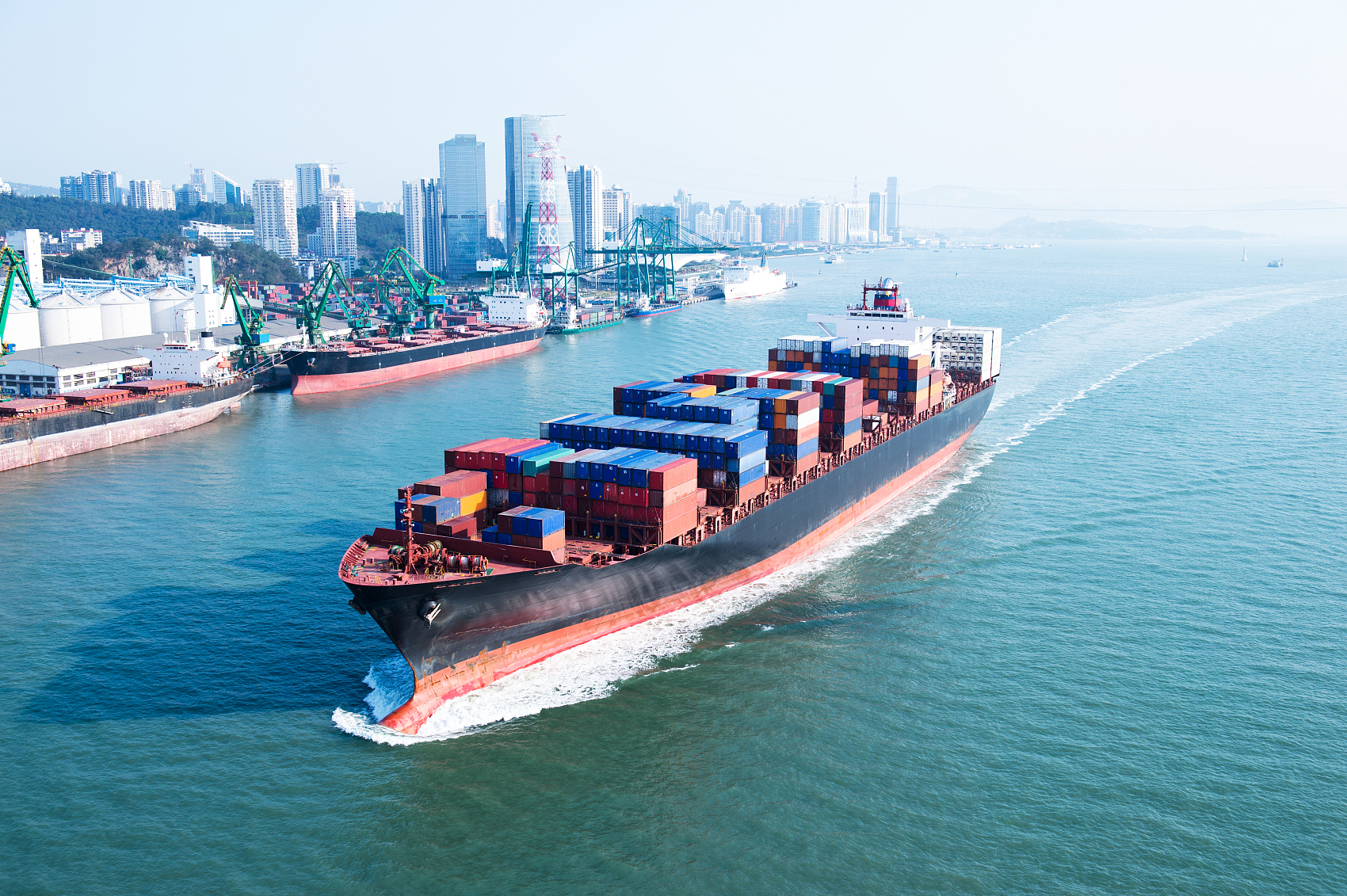
While FCL sea freight is often the most economical choice for large volumes, it is not the only option for shipping from China to Belgium. Different methods offer varying trade-offs between speed, cost, and capacity. Understanding these alternatives helps in making informed logistics decisions.
For instance, air freight provides unparalleled speed but at a significantly higher cost, suitable for urgent or high-value goods. Alternatively, rail freight offers a middle ground, being faster than sea and cheaper than air, with increasing popularity for China-Europe routes.
| Shipping Method | Cost Range (40HQ Equivalent) | Transit Time (Days) | Best For | Limitations |
|---|---|---|---|---|
| FCL Sea Freight | $3,000 – $4,200 | 28-35 | Large volumes, cost-efficiency, non-urgent | Slowest, susceptible to port delays |
| Rail Freight | $8,000 – $12,000 | 16-20 | Mid-volume, balanced speed/cost, regular shipments | Capacity limits, specific rail terminals |
| Air Freight | $15,000 – $25,000+ | 3-7 | Urgent, high-value, perishable goods | Most expensive, volumetric weight limits |
Which Shipping Option Should You Choose?
Selecting the optimal shipping method depends entirely on your specific business priorities. If your primary concern is budget, FCL sea freight remains the undisputed champion for bulk cargo. It offers the lowest per-unit cost, especially for goods that are not time-sensitive.
Conversely, if speed is paramount, air freight is the only viable option, despite its higher price tag. For those seeking a balance, rail freight presents an excellent compromise, delivering goods faster than sea without the exorbitant costs of air. Ultimately, the best choice hinges on the cargo type, urgency, and volume thresholds for switching methods.
Real-World FCL Shipping Scenarios to Belgium
Examining actual shipping cases provides valuable insight into the complexities and outcomes of FCL logistics. These scenarios highlight how different choices impact cost, transit time, and overall supply chain efficiency. Understanding these examples can help optimize your own strategies for space availability for FCL shipping from China to Belgium.
Case Study 1: Standard Consumer Goods Import
| Detail | Description |
|---|---|
| Route | Shanghai, China Antwerp, Belgium |
| Cargo | Electronics components, 25 CBM, 8,500 kg |
| Container | 20GP |
| Shipping Details | Carrier: Maersk, Port of Loading: Shanghai, Port of Discharge: Antwerp, Route Type: Direct |
| Cost Breakdown (Q4 2024) | Ocean Freight: $2,200, Origin Charges: $450, Destination Charges: $300, Customs & Duties (est.): $600, Total Landed Cost: $3,550 |
| Timeline | Booking to Loading: 5 days, Sea Transit: 30 days, Customs Clearance: 2 days, Total Door-to-Door: 37 days |
| Key Insight | Booking well in advance secured a competitive rate before peak season surcharges. Efficient door-to-door service simplified logistics. |
Case Study 2: Bulky Industrial Equipment
| Detail | Description |
|---|---|
| Route | Ningbo, China Antwerp, Belgium |
| Cargo | Manufacturing machinery, 60 CBM, 18,000 kg |
| Container | 40HQ |
| Shipping Details | Carrier: COSCO, Port of Loading: Ningbo, Port of Discharge: Antwerp, Route Type: Transshipment via Port Klang |
| Cost Breakdown (Q1 2025) | Ocean Freight: $3,800, Origin Charges: $600, Destination Charges: $450, Customs & Duties (est.): $900, Total Landed Cost: $5,750 |
| Timeline | Booking to Loading: 7 days, Sea Transit: 38 days, Customs Clearance: 3 days, Total Door-to-Door: 48 days |
| Key Insight | Choosing a slightly longer transshipment route offered significant cost savings compared to direct services. Careful cargo handling was crucial for the delicate machinery. |
Case Study 3: Furniture and Home Goods
| Detail | Description |
|---|---|
| Route | Shenzhen, China Antwerp, Belgium |
| Cargo | Flat-pack furniture, 68 CBM, 15,000 kg |
| Container | 40HQ |
| Shipping Details | Carrier: MSC, Port of Loading: Shenzhen, Port of Discharge: Antwerp, Route Type: Direct |
| Cost Breakdown (Q2 2025) | Ocean Freight: $4,050, Origin Charges: $580, Destination Charges: $420, Customs & Duties (est.): $750, Total Landed Cost: $5,800 |
| Timeline | Booking to Loading: 6 days, Sea Transit: 32 days, Customs Clearance: 2 days, Total Door-to-Door: 42 days |
| Key Insight | Securing space early in Q2 helped avoid potential summer peak season rate hikes. Efficient loading and unloading procedures were key to maintaining the delivery schedule. |
Strategies for Optimizing Your FCL Shipments to Belgium
Optimizing your FCL shipping from China to Belgium involves several strategic considerations. Firstly, planning and booking your shipments well in advance, especially during peak seasons, can help secure better rates and guaranteed space availability. Furthermore, flexibility with shipping dates can also yield cost advantages.
Secondly, partnering with a reliable freight forwarder is invaluable. They possess expertise in current logistics trends, can negotiate competitive freight rates, and provide insights into optimal routes and carriers. Consequently, this partnership ensures a smoother and more cost-effective supply chain. Finally, consider consolidating orders to maximize container utilization, thereby reducing per-unit shipping costs.
Navigating FCL Shipping from China to Belgium with Confidence
Successfully managing FCL shipping from China to Belgium demands a thorough understanding of market dynamics, transit options, and regulatory requirements. From fluctuating freight rates to customs clearance, each element plays a crucial role in your supply chain’s efficiency. Proactive planning and strategic partnerships are essential for securing optimal space availability and achieving cost-effective, timely deliveries.
Ultimately, by leveraging expert knowledge and comprehensive services, businesses can overcome common logistics challenges. We empower you to make informed decisions for your FCL shipments, ensuring your goods reach Belgium smoothly and reliably. Partner with us to master the complexities of international freight.
Need a tailored shipping solution?
Are you ready to optimize your FCL shipping from China to Belgium? Contact us today for a personalized quote and expert guidance on securing the best space availability and rates for your cargo. Let us streamline your supply chain.