

China FCL Warehouse Consolidation to Norway: Your Ultimate Guide
Navigating international logistics can be complex, especially when managing multiple suppliers from China to Norway. Businesses often face challenges like high shipping costs, fragmented cargo, and inefficient delivery schedules. Fortunately, China Top Freight offers expert solutions to simplify this process. This comprehensive guide will explore how China FCL warehouse consolidation to Norway can optimize your supply chain, reduce expenses, and ensure timely delivery for your valuable cargo.
✦
Why is China FCL Warehouse Consolidation to Norway Essential?
Many Norwegian importers source products from various suppliers across China. Consequently, managing multiple smaller shipments can quickly become costly and inefficient. Each individual shipment incurs separate handling fees, documentation costs, and customs processes.
Furthermore, consolidating these smaller orders into a single Full Container Load (FCL) offers significant economic advantages. This strategy not only reduces per-unit shipping costs but also streamlines the entire logistics chain. Therefore, it is a crucial approach for optimizing your import operations and enhancing overall supply chain efficiency.
What is FCL Warehouse Consolidation?
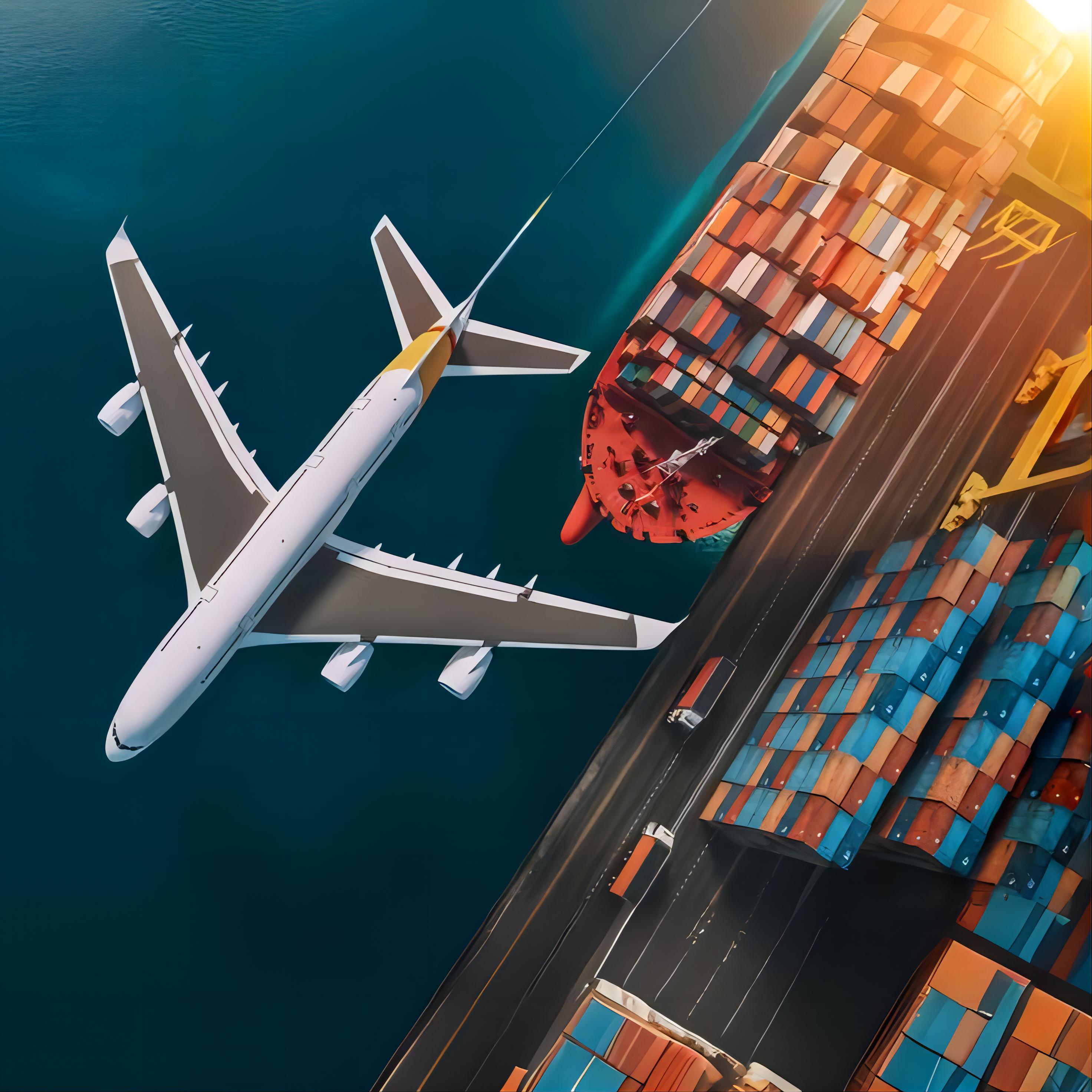
FCL warehouse consolidation involves collecting goods from multiple suppliers at a central warehouse in China. Subsequently, these goods are then packed together into one full container, typically a 20-foot or 40-foot unit. This method contrasts sharply with Less than Container Load (LCL) shipping, where your cargo shares space with other importers’ goods.
Essentially, consolidation provides dedicated container space for your aggregated cargo, ensuring better security and faster transit times. Moreover, it allows for more efficient loading and unloading processes, thereby reducing potential delays and damage. This strategic approach is particularly beneficial for businesses importing a substantial volume of goods from various sources.
Key Benefits of FCL Consolidation for Norway-Bound Shipments
Opting for FCL warehouse consolidation when shipping from China to Norway offers numerous advantages. Primarily, it leads to substantial cost savings by minimizing individual freight charges and administrative overheads. This is because you pay a flat rate for the entire container, regardless of how many suppliers contribute cargo.
Additionally, FCL shipments generally experience faster transit times compared to LCL. With a full container, there are fewer stops and less handling, which reduces the risk of delays. Consequently, your goods reach Norway more quickly and reliably. Furthermore, cargo security is enhanced as your goods are sealed within a dedicated container from origin to destination, significantly reducing the chances of damage or loss. This method provides greater control over your supply chain and improves overall predictability.

The Process of China FCL Warehouse Consolidation to Norway
The consolidation process typically begins with your freight forwarder coordinating with your various Chinese suppliers. Goods are then collected from different factories and transported to a central consolidation warehouse. Here, they are inspected, inventoried, and expertly packed into a single FCL container.
Once packed, the container is sealed and transported to the port of loading in China. Subsequently, it undergoes customs brokerage procedures before being loaded onto a vessel bound for Norway. Upon arrival at a Norwegian port, the container is cleared through local customs and then delivered to your specified destination, often facilitated by comprehensive door-to-door services. This streamlined process minimizes hassle and maximizes efficiency.
How Does FCL Consolidation Compare to Other Shipping Options?
When importing from China to Norway, several shipping methods are available, each with distinct advantages and disadvantages. Understanding these differences is crucial for making informed logistics decisions. FCL consolidation, while highly efficient for specific scenarios, should be evaluated against LCL and air freight based on factors like volume, urgency, and budget.
For instance, while FCL offers superior cost-effectiveness for larger volumes, LCL might be suitable for smaller, less time-sensitive shipments. Conversely, air freight provides unparalleled speed but comes at a significantly higher cost. Therefore, a careful comparison helps businesses choose the most appropriate strategy for their unique supply chain needs. The table below details these comparisons.
| Shipping Method | Cost Range (40HQ equivalent) | Transit Time (China to Norway) | Best For | Limitations |
|---|---|---|---|---|
| FCL Consolidation | $3,000 – $4,500 | 30-40 days | Large, aggregated shipments from multiple suppliers; cost-efficiency, security | Requires sufficient volume to fill a container |
| LCL (Less than Container Load) | $500 – $1,500 (per CBM) | 35-50 days | Smaller shipments (<15 CBM); lower upfront cost | Higher per-unit cost, more handling, potential delays |
| Air Freight | $15,000 – $25,000 (for 1000kg) | 5-10 days | Urgent, high-value, or time-sensitive cargo; small volumes | Significantly higher cost, volume/weight restrictions |
Which Option Should You Choose for Your China to Norway Shipments?
Selecting the optimal shipping method depends heavily on your specific business priorities. Budget, speed, and cargo type are primary considerations that guide this decision. Understanding these factors will help you determine whether FCL consolidation, LCL, or air freight is the best fit.
Consider these criteria to make an informed choice. Each method has its ideal use case, and matching it to your requirements will lead to the most efficient and cost-effective shipping solution. This framework helps streamline your logistics planning.
Budget Priority
If minimizing shipping costs is your top concern, FCL warehouse consolidation is generally the most economical choice for substantial volumes. It offers a fixed price for the container, which reduces the per-unit cost significantly. For smaller volumes, LCL can be more budget-friendly, though with slightly longer transit times. Always consider the total landed cost.
Speed Priority
For urgent shipments where time is critical, air freight is undoubtedly the fastest option, delivering goods in days rather than weeks. However, if you need a balance of speed and cost for larger volumes, FCL offers a more direct route than LCL, resulting in quicker sea transit times. This efficiency helps maintain your delivery schedule.
Cargo Type Considerations
Delicate, high-value, or sensitive goods benefit from the dedicated space and reduced handling of FCL consolidation. This minimizes the risk of damage during transit. For hazardous materials or oversized cargo, specialized handling might be required, which FCL can often accommodate more easily than LCL. Always ensure proper packaging and documentation for all cargo types.
Volume Thresholds for Switching Methods
Generally, if your combined cargo from multiple suppliers exceeds 15 CBM (cubic meters), FCL consolidation becomes more cost-effective than LCL. For volumes approaching 30 CBM or more, a 40-foot container is usually the most efficient choice. Below 15 CBM, LCL might offer better value, although you sacrifice speed and control. Evaluate your consistent shipment volumes to determine the optimal threshold.
Real-World Examples: FCL Consolidation from China to Norway
Exploring actual case studies provides practical insights into the benefits and processes of FCL warehouse consolidation. These examples highlight how businesses successfully optimize their supply chains and reduce costs when importing from China to Norway. They demonstrate the versatility and effectiveness of this shipping strategy.
Case Study 1: Consolidating Multiple Textile Suppliers
A Norwegian fashion retailer regularly sources various textile products from three different factories in Guangdong, China. Initially, they were shipping each factory’s output as separate LCL shipments, leading to fragmented deliveries and higher costs. By implementing FCL consolidation, they significantly improved their logistics efficiency.
| Route: | Shenzhen, China Oslo, Norway |
| Cargo: | Textiles (clothing, fabrics), 28 CBM, 4,500 kg |
| Container: | 40GP |
| Shipping Details: | |
| – Carrier/Service: | COSCO |
| – Port of Loading: | Yantian (Shenzhen) |
| – Port of Discharge: | Oslo |
| – Route Type: | Transshipment via Hamburg |
| Cost Breakdown (Based on Q3 2024 market rates): | |
| – Ocean Freight: | $3,650 |
| – Origin Charges (THC, documentation): | $480 |
| – Destination Charges: | $320 |
| – Customs & Duties (estimated): | $1,200 |
| – Total Landed Cost: | $5,650 |
| Timeline: | |
| – Booking to Loading: | 7 days |
| – Sea Transit: | 35 days |
| – Customs Clearance: | 3 days |
| – Total Door-to-Door: | 45 days |
| Key Insight: | Consolidating three suppliers into one FCL saved approximately 25% on overall shipping costs compared to three separate LCL shipments, while also reducing administrative burden. |
Case Study 2: Electronics Components for Industrial Use
An industrial equipment manufacturer in Bergen, Norway, imports electronic components from two specialized factories in Shanghai and Ningbo. The components are high-value but not extremely urgent. They needed a reliable and cost-effective solution for consistent supply. FCL consolidation proved to be the ideal strategy.
| Route: | Shanghai/Ningbo, China Bergen, Norway |
| Cargo: | Electronic components, 18 CBM, 8,000 kg |
| Container: | 20GP |
| Shipping Details: | |
| – Carrier/Service: | Maersk |
| – Port of Loading: | Shanghai |
| – Port of Discharge: | Bergen |
| – Route Type: | Direct |
| Cost Breakdown (Typical rates as of early 2025): | |
| – Ocean Freight: | $2,400 |
| – Origin Charges (THC, documentation): | $350 |
| – Destination Charges: | $280 |
| – Customs & Duties (estimated): | $950 |
| – Total Landed Cost: | $3,980 |
| Timeline: | |
| – Booking to Loading: | 5 days |
| – Sea Transit: | 32 days |
| – Customs Clearance: | 2 days |
| – Total Door-to-Door: | 39 days |
| Key Insight: | The direct route and FCL consolidation ensured fewer handling points, protecting sensitive components and delivering within predictable lead times, crucial for production planning. |
Market Context and Pricing Considerations for China to Norway FCL
As of Q1 2025, freight rates from China to Europe, including Norway, have largely stabilized following the volatility seen in 2024 due to global events and supply chain disruptions. However, several factors continue to influence pricing and transit times. Understanding these dynamics is key to effective logistics planning.
Industry trends suggest a continued focus on vessel capacity management and port efficiency. Consequently, rates can still fluctuate based on fuel costs, carrier alliances, and seasonal demand. For example, rates typically increase by 15-25% during the August-October peak season leading up to the holiday retail period. Always seek a current quote for the most accurate pricing.
Note: Freight rates are subject to change based on fuel costs, carrier capacity, and seasonal demand. Contact us for a current quote tailored to your specific shipment.
Conclusion
In conclusion, China FCL warehouse consolidation to Norway presents a powerful strategy for businesses seeking to enhance efficiency, reduce costs, and improve reliability in their international shipping. By centralizing goods from multiple suppliers into a single full container, importers can achieve significant economic and operational advantages.
This approach minimizes handling, speeds up transit, and strengthens cargo security. Ultimately, partnering with an experienced freight forwarder is crucial to navigating the complexities of international logistics and successfully implementing FCL consolidation for your shipments to Norway. This will ensure a smoother, more cost-effective supply chain.