

China FCL Door to Door to Spain: Your Complete Guide
Navigating international freight can be complex, especially when importing full container loads (FCL) from China. Businesses often face challenges with customs, transit times, and final mile delivery. This comprehensive guide simplifies the process of China FCL door to door to Spain, ensuring your goods arrive efficiently and cost-effectively.
✦
Why Choose China FCL Door to Door to Spain?
Choosing FCL (Full Container Load) for your shipments from China to Spain offers significant advantages. It provides exclusive use of a container, meaning your cargo is not consolidated with other shippers’ goods. This approach often leads to reduced handling, enhanced security, and faster transit times.
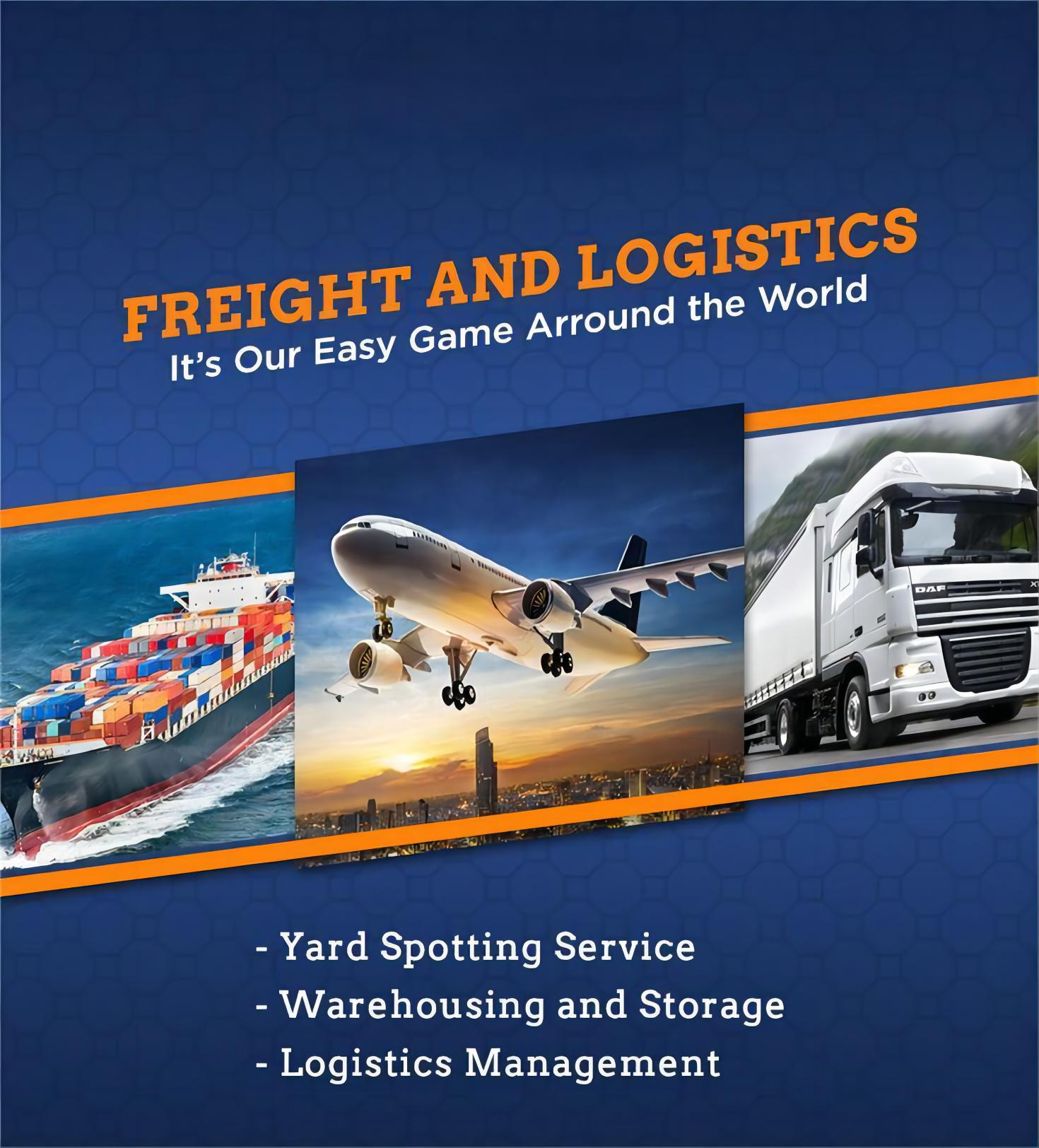
Moreover, a door to door service simplifies the entire logistics chain. It covers everything from pickup at the supplier’s factory in China to final delivery at your warehouse or business address in Spain. This integrated solution minimizes your administrative burden and streamlines your supply chain management.

What are the Key Benefits of FCL Shipping to Spain?
Opting for FCL shipping provides unparalleled control and efficiency for large volume imports. Firstly, you gain dedicated space, which protects your cargo from potential damage or delays associated with co-loading. This direct loading and unloading process significantly reduces risks.
Secondly, FCL shipments often have more predictable schedules and faster transit times compared to LCL (Less than Container Load). This predictability is crucial for inventory planning and meeting delivery deadlines. Furthermore, the cost per unit tends to be lower for FCL when shipping substantial quantities.
Finally, a comprehensive door-to-door FCL service includes all necessary steps, from origin customs clearance to destination delivery. This holistic approach ensures a seamless experience, allowing you to focus on your core business operations rather than complex logistics.
How Does the China FCL Door to Door Process Work?
The journey of your FCL shipment from China to Spain involves several meticulously coordinated stages. Understanding each step ensures a smooth and efficient logistics experience. This entire process is managed by your freight forwarder, providing a single point of contact.
Initially, the process begins with careful planning and booking, considering cargo specifics and destination requirements. Subsequently, your goods are picked up and prepared for international transit. Finally, they undergo customs, ocean transit, and last-mile delivery to your Spanish address.
Booking and Preparation
Firstly, you will communicate your shipping needs, including cargo volume, weight, and desired delivery timeline. Your freight forwarder then books the appropriate container size (e.g., 20GP, 40GP, 40HQ) and secures space on a vessel. Subsequently, the container is delivered to your supplier’s factory for loading.
Proper loading and securing of cargo within the container are critical to prevent damage during transit. All necessary export documentation, such as the commercial invoice, packing list, and bill of lading, is prepared at this stage. This meticulous preparation ensures compliance with international shipping regulations.
Ocean Transit and Documentation
Once loaded, the container is transported to the port of loading in China, such as Shanghai or Ningbo. After customs clearance, it is loaded onto a container vessel for its ocean voyage to Spain. Sea freight remains the most cost-effective method for FCL shipments.
During transit, your freight forwarder monitors the shipment’s progress and keeps you updated. The Bill of Lading (B/L) serves as the contract of carriage and title to the goods. This crucial document is essential for customs clearance upon arrival in Spain.
Customs Clearance in Spain
Upon arrival at a Spanish port like Valencia or Barcelona, your shipment undergoes import customs clearance. This stage requires accurate documentation and compliance with all Spanish and EU import regulations. A professional customs brokerage service is invaluable here.
Furthermore, duties and taxes, including VAT, must be paid before the cargo can be released. Any discrepancies or missing documents can lead to significant delays and additional costs. Therefore, thorough preparation is essential for smooth customs processing.
Final Delivery to Your Door
After customs clearance and payment of duties, the container is released from the port. Finally, it is transported by truck directly to your specified delivery address in Spain. This final leg completes the door-to-door service.
The delivery schedule is coordinated in advance to ensure you are ready to receive the goods. Unloading the container is typically the consignee’s responsibility, unless specific arrangements are made. Overall, this seamless process ensures your cargo reaches its final destination without hassle.
What are the Typical Transit Times and Costs for China to Spain FCL?
Understanding the transit times and shipping costs is crucial for effective budget planning and inventory management. The journey from China to Spain is primarily via ocean freight, which offers a balance of cost-effectiveness and capacity. Several factors influence both time and expense.
For instance, the specific origin port in China and the destination port in Spain can affect transit duration. Additionally, seasonal demand, fuel surcharges, and carrier capacity significantly impact freight rates. Always consult with your freight forwarder for the most current pricing.
| Port of Loading (China) | Port of Discharge (Spain) | Estimated Sea Transit Time | Total Door-to-Door Time |
|---|---|---|---|
| Shanghai | Valencia | 28-32 days | 35-40 days |
| Ningbo | Barcelona | 30-34 days | 37-42 days |
| Shenzhen | Algeciras | 26-30 days | 33-38 days |
| Qingdao | Bilbao | 32-36 days | 39-44 days |
How Does FCL Compare to Other Shipping Options?
When importing from China to Spain, businesses have several shipping options beyond FCL. Each method offers distinct advantages and disadvantages regarding cost, speed, and suitability for different cargo types. Making an informed decision is paramount for supply chain efficiency.
Consider your specific needs, such as cargo volume, urgency, and budget constraints, before selecting a method. This comparison helps illustrate when FCL is the optimal choice and when alternatives might be more appropriate for your shipping from China to Europe requirements.
| Shipping Method | Cost Range (40HQ China-Spain) | Transit Time | Best For | Limitations |
|---|---|---|---|---|
| FCL Sea Freight | $3,000 – $4,200 | 28-35 days | Large volumes, non-urgent, heavy goods | Slower than air/rail, port congestion risk |
| LCL Sea Freight | $150 – $250 per CBM (min $500) | 35-45 days | Smaller volumes (under 15 CBM), flexible | Longer transit, more handling, higher per-unit cost |
| Air Freight | $8,000 – $15,000 (for 1000kg) | 5-8 days | Urgent, high-value, small volume goods | Very expensive, weight/volume restrictions, high carbon footprint |
| Rail Freight | $6,000 – $9,000 (40HQ) | 18-25 days | Mid-size volumes, faster than sea, cheaper than air | Limited routes, capacity constraints, not door-to-door always |
Which Option Should You Choose for Your China-Spain Shipments?
Selecting the right shipping method hinges on a careful evaluation of your priorities. There is no one-size-fits-all solution for importing goods from China to Spain. Therefore, a decision framework helps streamline your choice, aligning with your business objectives.
Analyzing your budget, time constraints, and cargo characteristics will guide you toward the most suitable and cost-effective logistics strategy. This approach ensures optimal efficiency and customer satisfaction.
Budget Priority
If cost-effectiveness is your primary concern, FCL sea freight is almost always the best option. It offers the lowest per-unit cost for large volumes of goods. However, for very small shipments (under 15 CBM), LCL sea freight might be more economical, despite longer transit times.
Consider optimizing container utilization to maximize cost savings with FCL. Additionally, explore booking well in advance to secure better rates, especially outside peak seasons. This strategic planning can significantly impact your overall shipping expenses.
Speed Priority
When speed is paramount, air freight is the undisputed champion, delivering goods in just a few days. For a balance between speed and cost, rail freight offers a compelling alternative, being significantly faster than sea freight.
However, remember that these faster options come at a premium price. Hybrid solutions, like sea-air combinations, can also be explored for specific time-sensitive components, balancing urgency with cost considerations. Evaluate your inventory holding costs against faster shipping expenses.
Cargo Type and Volume Considerations
For durable, non-perishable goods like machinery, furniture, or textiles, FCL sea freight is ideal. It provides ample space and is suitable for almost any type of general cargo. Conversely, for delicate, high-value, or perishable items, air freight might be a safer choice despite the higher cost.
Furthermore, for volumes exceeding approximately 15-20 CBM, FCL becomes more economical than LCL. Conversely, if your shipment is below this threshold, LCL is often more sensible. Always consider the dimensions and weight of your cargo when making your selection.
What Documentation is Required for FCL Shipments to Spain?
Successful import into Spain requires meticulous preparation of various documents. Accurate and complete paperwork is essential to avoid customs delays, fines, and storage charges. Therefore, understanding these requirements is a critical aspect of your logistics planning.
Your freight forwarder will assist you in compiling and verifying all necessary documents. This proactive approach ensures compliance with both Chinese export regulations and Spanish import laws. Consequently, your goods can clear customs smoothly and promptly.
| Document | Purpose | Issuing Party | Notes |
|---|---|---|---|
| Commercial Invoice | Details of goods, value, seller/buyer | Seller (Exporter) | Must accurately reflect transaction value |
| Packing List | Details of cargo per package (weight, dimensions) | Seller (Exporter) | Essential for customs inspection and cargo handling |
| Bill of Lading (B/L) | Contract of carriage, title to goods | Carrier/Freight Forwarder | Originals often required for cargo release |
| Certificate of Origin | Proves country of manufacture | Chamber of Commerce/Exporter | May be required for preferential tariffs |
| Import License | Authorization to import specific goods | Spanish Authorities | Required for controlled goods (e.g., certain chemicals, food) |
| Customs Value Declaration | Declaration of goods’ value for duty assessment | Importer | Ensures correct calculation of duties and taxes |
| Insurance Certificate | Proof of cargo insurance coverage | Insurance Provider | Recommended for protection against loss or damage |
Real-World Success: China FCL Door to Door to Spain Case Studies
Examining actual shipping scenarios provides valuable insights into the practical application of FCL door-to-door services. These case studies illustrate how different businesses leverage these solutions to meet their specific import needs. They highlight typical challenges and the successful outcomes achieved.
Based on Q3 2024 market rates, these examples showcase the efficiency and reliability of well-managed logistics. They also demonstrate the cost-effectiveness and transit times achievable for various cargo types and routes.
Case Study 1: Retailer Importing Home Goods
A Spanish home goods retailer needed to import a large volume of furniture and decor items from multiple suppliers in Guangdong. They required a consolidated FCL shipment for efficiency and cost control. The door-to-door service managed the entire process seamlessly.
| Detail | Value |
|---|---|
| Route | Foshan, China -> Valencia, Spain |
| Cargo | Furniture & decor, 60 CBM, 8,500 kg |
| Container | 1 x 40HQ |
| Carrier/Service | Major carrier (e.g., COSCO) |
| Port of Loading | Nansha (Guangzhou) |
| Port of Discharge | Valencia |
| Route Type | Direct |
| Ocean Freight | $3,550 |
| Origin Charges | $480 |
| Destination Charges | $550 |
| Customs & Duties (estimated) | $1,800 |
| Total Landed Cost | $6,380 |
| Booking to Loading | 5 days |
| Sea Transit | 30 days |
| Customs Clearance | 3 days |
| Total Door-to-Door | 38 days |
| Key Insight | Efficient consolidation from multiple vendors reduced costs and streamlined delivery. |
Case Study 2: Electronics Distributor with Time-Sensitive Goods
An electronics distributor in Barcelona frequently imports consumer electronics. While speed is important, they opted for FCL sea freight for their bulk orders to maintain competitive pricing. The challenge was ensuring timely delivery to meet seasonal demand peaks.
| Detail | Value |
|---|---|
| Route | Shenzhen, China -> Barcelona, Spain |
| Cargo | Consumer electronics, 55 CBM, 7,000 kg |
| Container | 1 x 40GP |
| Carrier/Service | Major carrier (e.g., MSC) |
| Port of Loading | Shenzhen |
| Port of Discharge | Barcelona |
| Route Type | Transshipment via Singapore |
| Ocean Freight | $3,100 |
| Origin Charges | $450 |
| Destination Charges | $520 |
| Customs & Duties (estimated) | $2,100 |
| Total Landed Cost | $6,170 |
| Booking to Loading | 4 days |
| Sea Transit | 32 days |
| Customs Clearance | 4 days |
| Total Door-to-Door | 40 days |
| Key Insight | Careful planning around Q4 peak season rates ensured cost stability despite transshipment. |
Case Study 3: Industrial Equipment Importer
A manufacturing company in Madrid needed to import specialized industrial components, which were heavy and required careful handling. An FCL door-to-door service was chosen to guarantee the integrity of the oversized cargo and simplify delivery to their factory.
| Detail | Value |
|---|---|
| Route | Shanghai, China -> Madrid, Spain |
| Cargo | Industrial components, 25 CBM, 12,000 kg |
| Container | 1 x 20GP |
| Carrier/Service | Major carrier (e.g., Maersk) |
| Port of Loading | Shanghai |
| Port of Discharge | Valencia |
| Route Type | Direct |
| Ocean Freight | $2,350 |
| Origin Charges | $390 |
| Destination Charges | $480 |
| Customs & Duties (estimated) | $1,500 |
| Total Landed Cost | $4,720 |
| Booking to Loading | 6 days |
| Sea Transit | 31 days |
| Customs Clearance | 3 days |
| Total Door-to-Door | 40 days |
| Key Insight | Direct route and specialized handling ensured safe delivery of heavy industrial components. |
What Challenges and Solutions Exist in China-Spain FCL Logistics?
Despite its benefits, FCL shipping from China to Spain can present certain challenges. These can range from port congestion and customs delays to unexpected rate fluctuations. However, proactive planning and a reliable freight partner can effectively mitigate these issues.
Understanding potential hurdles allows businesses to implement robust strategies, ensuring smooth operations. Consequently, maintaining a resilient supply chain becomes achievable, even in dynamic global shipping environments.
Port Congestion and Delays
Major ports in both China and Spain can experience congestion, especially during peak seasons or due to unforeseen events. This can lead to delays in vessel departures, arrivals, and cargo unloading. Therefore, flexibility in delivery schedules is often beneficial.
Solution: Work with a freight forwarder who has strong relationships with carriers and access to real-time port updates. Diversifying port choices in Spain (e.g., Valencia, Barcelona, Algeciras) can also help spread risk. Consider booking earlier during busy periods.
Customs Compliance and Documentation Errors
Incorrect or incomplete documentation is a leading cause of customs delays and penalties. Spanish customs authorities are strict, requiring precise declarations and proper classification of goods. Mistakes here can significantly impact your delivery schedule.
Solution: Partner with an experienced customs broker or freight forwarder specializing in China-EU trade. They ensure all paperwork is accurate, compliant, and submitted on time. Utilize their expertise for tariff classification and duty optimization.
Freight Rate Volatility
Global events, fuel price fluctuations, and seasonal demand can cause significant swings in FCL freight rates. This volatility makes budget forecasting challenging for businesses. For example, Q4 peak season rates are often 15-25% higher than off-peak periods.
Solution: Secure long-term contracts with carriers or freight forwarders if possible. Book shipments well in advance, especially during anticipated peak times. Stay informed about market trends and consider hedging strategies if rate stability is critical for your business.
How Can You Optimize Your FCL Supply Chain to Spain?
Optimizing your FCL supply chain involves more than just selecting a shipping method; it requires a holistic approach. Businesses can achieve greater efficiency, cost savings, and reliability by implementing strategic practices. This continuous improvement ensures a competitive edge in the market.
Focus on collaboration with suppliers, effective inventory management, and leveraging technology. Ultimately, a well-optimized supply chain enhances overall business performance and customer satisfaction.
Supplier Coordination and Consolidation
Effective communication with your Chinese suppliers is fundamental. Coordinate production schedules to ensure goods are ready for a full container load at the same time. If you work with multiple suppliers in the same region, consider consolidating their goods into one FCL shipment.
This consolidation strategy, often managed by your freight forwarder, can significantly reduce costs compared to multiple LCL shipments. It also simplifies customs procedures and minimizes administrative overhead. A unified approach streamlines the entire export process.
Leveraging Technology and Tracking
Modern logistics rely heavily on technology for real-time visibility and efficient management. Utilize advanced tracking systems provided by your freight forwarder to monitor your FCL shipment’s progress. This transparency allows for proactive problem-solving and better inventory control.
Furthermore, digital platforms can streamline documentation, communication, and invoicing processes. Implementing robust logistics software can automate routine tasks, thereby reducing human error and improving operational speed. Data analytics can also inform better decision-making.
Risk Management and Insurance
Despite careful planning, unforeseen events can impact your cargo. Therefore, comprehensive cargo insurance is highly recommended to protect against loss, damage, or theft during transit. This small investment provides significant peace of mind.
Moreover, having contingency plans for potential delays, such as alternative shipping routes or expedited options for critical components, is wise. A robust risk management strategy minimizes financial exposure and ensures business continuity. Always discuss insurance options with your freight partner.
Your Trusted Partner for China FCL Door to Door to Spain
In conclusion, navigating the complexities of importing from China to Spain via FCL can be straightforward with the right expertise. Choosing a comprehensive door-to-door service ensures efficiency, cost-effectiveness, and peace of mind. Businesses can optimize their supply chains by understanding the process, comparing options, and managing potential challenges.
Ultimately, a reliable freight forwarder is crucial for successful China FCL door to door to Spain shipments. They provide the guidance and support needed to ensure your goods reach their destination safely and on time. Focus on strategic partnerships to enhance your global trade operations.