

20GP FCL Transit Time for Textiles from China to Florida
Navigating international shipping can be complex, especially when importing goods like textiles. Understanding the 20GP FCL transit time for textiles from China to Florida is crucial for effective supply chain management. This guide will demystify the process, offering insights into typical durations, influencing factors, and cost-effective strategies. For comprehensive shipping solutions, visit China Top Freight.

What is the Typical 20GP FCL Transit Time for Textiles from China to Florida?
Generally, the 20GP FCL transit time for textiles from China to Florida ranges from 30 to 40 days. This duration primarily covers the sea journey from major Chinese ports to key Florida ports like Miami, Jacksonville, or Port Everglades.

However, this estimate is for port-to-port transit. Consequently, the total door-to-door delivery schedule, including origin logistics, customs clearance, and inland transportation in Florida, often extends to 40-55 days. Therefore, planning ahead is essential for successful textile import logistics.
Key Factors Influencing Your Shipping Schedule and Costs
Several critical factors can significantly impact the overall 20GP FCL transit time and associated shipping costs for textiles from China to Florida. Understanding these elements allows importers to better manage expectations and optimize their supply chain. Moreover, proactive consideration of these points can help mitigate potential delays and unexpected expenses.
Port of Origin and Destination
The specific port of loading in China (e.g., Shanghai, Ningbo, Shenzhen) and the port of discharge in Florida (e.g., Miami, Jacksonville) play a vital role. Direct routes from major Chinese hubs to Florida generally offer faster transit times. Conversely, less direct routes or those involving transshipment via intermediate ports can add several days or even weeks to the journey, affecting the delivery schedule.
Carrier and Route Selection
Different shipping carriers operate various routes and schedules, offering varying speeds and freight rates. Some carriers prioritize speed with direct services, while others might offer more economical options with longer transit times. Furthermore, the choice between a direct route and one with transshipment significantly influences the total duration of your 20GP FCL textile import.
Customs Clearance and Documentation
Efficient customs clearance is paramount for timely delivery. Incomplete or inaccurate documentation can lead to significant delays at both the origin and destination ports. Therefore, ensuring all necessary permits and paperwork are correctly prepared beforehand is crucial to avoid issues with import/export procedures. Consider leveraging customs brokerage services for smoother processing.
Seasonal Demand and Port Congestion
Seasonal peaks, such as the period before Chinese New Year or the Q3/Q4 holiday shopping season, often lead to increased demand and port congestion. This can result in longer waiting times for vessels, affecting the 20GP FCL transit time for textiles. Consequently, freight rates tend to rise during these periods, impacting overall shipping costs. Industry average for this route suggests rates increase 15-25% during August-October peak season.
Understanding FCL vs. LCL for Textile Shipments
When shipping textiles, choosing between Full Container Load (FCL) and Less than Container Load (LCL) is a critical decision impacting both cost and transit time. A 20GP FCL container, holding approximately 33 CBM, is typically suitable for larger textile volumes, ensuring dedicated space and often faster transit. Conversely, LCL involves sharing container space with other shippers.
For textile imports, FCL offers benefits like reduced handling and a lower risk of damage, making it ideal for substantial orders. However, for smaller shipments, LCL can be a more cost-effective textile transport solution, despite potentially longer transit times due to consolidation and deconsolidation processes. Therefore, assessing your cargo volume is key.
| Feature | Full Container Load (FCL) | Less than Container Load (LCL) |
|---|---|---|
| Definition | Dedicated container for one shipper. | Container shared by multiple shippers. |
| Cost Structure | Flat rate per container. | Per CBM or weight, higher per-unit cost. |
| Transit Time | Generally faster, direct port-to-port. | Often slower due to consolidation/deconsolidation. |
| Cargo Handling | Less handling, reduced damage risk. | More handling, higher damage risk. |
| Best For | Large volumes, sensitive goods, time-critical shipments. | Smaller volumes (under 15 CBM), cost-conscious shipments. |
| Flexibility | Higher flexibility in scheduling. | Lower flexibility, dependent on other shipments. |
Cost Components of Shipping a 20GP FCL Container to Florida
The total shipping costs for a 20GP FCL container of textiles from China to Florida involve several components beyond just ocean freight. Understanding these various charges is essential for accurate budgeting and effective financial planning. Indeed, overlooking any of these elements can lead to unexpected expenses in your textile import logistics.
Typically, costs include ocean freight, terminal handling charges (THC) at both origin and destination, documentation fees, customs duties and taxes, and inland transportation. Furthermore, fuel surcharges (BAF) and currency adjustment factors (CAF) can fluctuate, impacting the final freight rates. As of Q1 2025, freight rates from China to USA East Coast have stabilized after recent global events, yet remain dynamic.
Case Studies: Real-World 20GP FCL Textile Shipments to Florida
These case studies illustrate actual scenarios of 20GP FCL textile shipments from China to Florida, highlighting typical transit times, costs, and key insights. They offer a practical look into the complexities and solutions involved in international freight for fabrics and apparel. Based on current market rates, these examples provide realistic expectations for your textile import logistics.
Case Study 1: Standard Textile Shipment (Shanghai to Miami)
This case highlights a typical 20GP FCL shipment of general textile goods, emphasizing the balance between cost and transit time.
| Detail | Description |
|---|---|
| Route | Shanghai, China -> Miami, USA |
| Cargo | Cotton fabrics, 18 CBM, 9,000 kg |
| Container | 20GP |
| Shipping Details | Carrier: Major, Port of Loading: Shanghai, Port of Discharge: Miami, Route Type: Transshipment via Panama |
| Cost Breakdown | Ocean Freight: $3,200, Origin Charges: $450, Destination Charges: $550, Customs & Duties (estimated): $800, Total Landed Cost: $5,000 |
| Timeline | Booking to Loading: 5 days, Sea Transit: 32 days, Customs Clearance: 4 days, Total Door-to-Door: 41 days |
| Key Insight | Transshipment via Panama added a few days but offered a competitive freight rate. Typical rates as of early 2025. |

Case Study 2: Time-Sensitive Apparel (Ningbo to Jacksonville)
This example showcases a shipment where a slightly faster route was prioritized for time-sensitive apparel, affecting the overall shipping costs.
| Detail | Description |
|---|---|
| Route | Ningbo, China -> Jacksonville, USA |
| Cargo | Fashion apparel, 22 CBM, 10,500 kg |
| Container | 20GP |
| Shipping Details | Carrier: Premium, Port of Loading: Ningbo, Port of Discharge: Jacksonville, Route Type: Direct (limited calls) |
| Cost Breakdown | Ocean Freight: $3,800, Origin Charges: $500, Destination Charges: $600, Customs & Duties (estimated): $1,200, Total Landed Cost: $6,100 |
| Timeline | Booking to Loading: 4 days, Sea Transit: 28 days, Customs Clearance: 3 days, Total Door-to-Door: 35 days |
| Key Insight | Opting for a direct, premium service reduced transit time but came with a higher ocean freight cost. Based on Q4 2024 market rates, reflecting peak season. |
Case Study 3: Bulk Fabric Import (Shenzhen to Port Everglades)
Here, a large volume of bulk fabrics required careful planning to manage port congestion and ensure a smooth delivery to Port Everglades.
| Detail | Description |
|---|---|
| Route | Shenzhen, China -> Port Everglades, USA |
| Cargo | Synthetic fabrics, 28 CBM, 12,000 kg |
| Container | 20GP |
| Shipping Details | Carrier: Major, Port of Loading: Shenzhen, Port of Discharge: Port Everglades, Route Type: Transshipment via Caribbean hub |
| Cost Breakdown | Ocean Freight: $3,000, Origin Charges: $400, Destination Charges: $500, Customs & Duties (estimated): $950, Total Landed Cost: $4,850 |
| Timeline | Booking to Loading: 6 days, Sea Transit: 35 days, Customs Clearance: 5 days, Total Door-to-Door: 46 days |
| Key Insight | This shipment faced minor delays due to port congestion at the transshipment hub. Consistent tracking FCL shipments was key to managing expectations. Typical rates as of early 2025. |
How Does 20GP FCL Sea Freight Compare to Other Shipping Options?
While 20GP FCL sea freight is a popular choice for textiles due to its cost-effectiveness, it is not the only option. Businesses importing clothes from China to USA need to consider alternative shipping methods based on their priorities, such as speed, cost, and cargo type. Comparing these options helps in making informed decisions for optimizing shipping routes China Florida.
Therefore, understanding the trade-offs between various freight services is crucial for effective supply chain management. For instance, air freight offers speed but at a significantly higher cost, while express service provides door-to-door convenience for smaller, urgent textile shipments. Meanwhile, air freight is ideal for urgent orders, and express service suits samples or small, high-value items.
| Shipping Method | Cost Range (20GP Equivalent) | Transit Time | Best For | Limitations |
|---|---|---|---|---|
| Sea Freight (FCL) | $2,500-$3,800 | 30-40 days | Large volumes, heavy goods, cost-effective textile transport. | Slowest option, port congestion risks. |
| Sea Freight (LCL) | $100-$150/CBM (approx. $1,800-$3,000 for 15-20 CBM) | 35-50 days | Smaller volumes (under 15 CBM), budget-conscious. | Longer transit, more handling, potential for delays. |
| Air Freight | $8,000-$15,000 | 5-10 days | Time-sensitive apparel, high-value goods, urgent delivery schedule. | High shipping costs, volume/weight restrictions. |
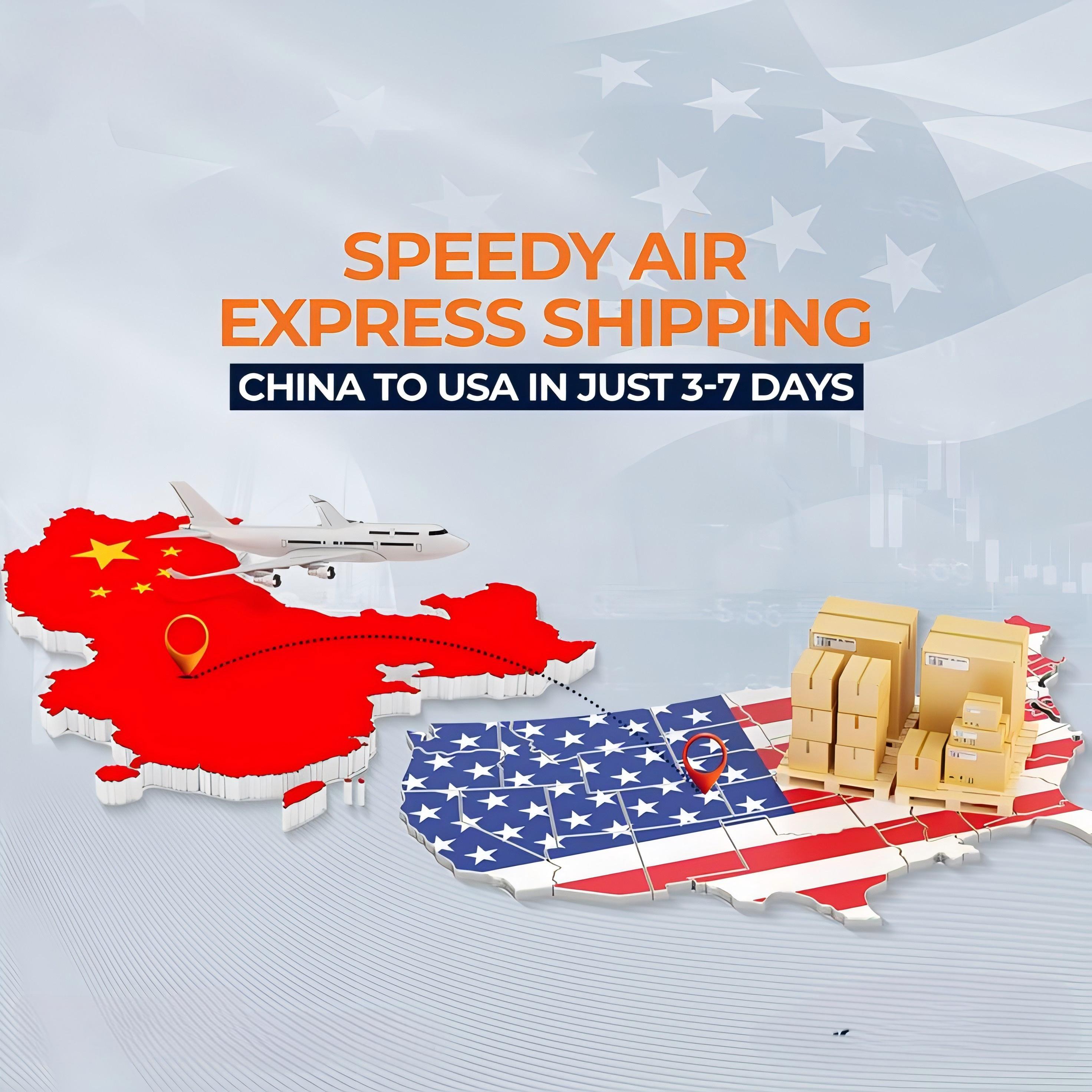
| Express Service | $1,500-$4,000 (for smaller packages) | 3-7 days | Samples, small urgent packages, e-commerce. | Very high per-kg cost, strict size/weight limits. |
Optimizing Your Supply Chain for Textile Imports from China
Optimizing your supply chain for textile imports from China to Florida involves strategic planning and efficient execution. This proactive approach can significantly reduce both transit times and shipping costs, enhancing overall business profitability. Indeed, a well-managed supply chain ensures a smoother flow of goods, from the factory floor to the final destination.
Furthermore, focusing on key areas such as freight forwarder selection, documentation, and tracking is vital for success. Therefore, businesses should continuously evaluate their logistics partners and processes to identify areas for improvement and maintain a competitive edge in the market.
Choosing the Right Freight Forwarder
Partnering with an experienced freight forwarder is paramount for efficient textile import logistics. A reliable partner, like China Top Freight, can navigate complex customs regulations, optimize shipping routes, and offer competitive freight rates. They provide expertise in handling 20GP FCL textile imports, ensuring compliance and smooth operations.
Efficient Documentation and Compliance
Accurate and complete documentation is crucial to avoid customs delays. This includes commercial invoices, packing lists, bills of lading, and any specific textile certifications. Staying updated on import duties on clothing and other textile regulations for North America is essential for seamless customs clearance. Proper preparation streamlines the process and prevents costly hold-ups.
Proactive Planning and Tracking
Effective planning, including forecasting demand and booking shipments in advance, helps mitigate the impact of seasonal peaks and port congestion. Utilizing advanced tracking FCL shipments systems provides real-time visibility, allowing businesses to monitor their cargo’s progress and anticipate any potential delivery schedule disruptions. This proactive approach supports better decision-making.
Navigating Customs and Regulations for Textile Imports into Florida
Importing textiles into Florida, or anywhere in the USA, requires strict adherence to customs regulations and specific import/export laws. Textiles are often subject to particular tariffs, quotas, and labeling requirements, making the customs process more intricate. Consequently, understanding these rules is vital to avoid penalties and ensure smooth entry into the North America market.
Therefore, partnering with an experienced customs broker is highly recommended. They can ensure all necessary documentation is accurate, duties are correctly assessed, and your textile imports comply with all U.S. Customs and Border Protection (CBP) requirements. This expertise helps in navigating the complexities of textile import regulations USA and managing potential challenges effectively.
Conclusion
In summary, navigating the 20GP FCL transit time for textiles from China to Florida requires careful planning and an understanding of various logistical factors. By choosing the right shipping method, optimizing your supply chain, and partnering with experienced freight forwarders, you can ensure timely and cost-effective delivery of your textile imports. Proactive management of freight rates and delivery schedules is paramount for business success. Note: Freight rates are subject to change based on fuel costs, carrier capacity, and seasonal demand. Contact us for a current quote tailored to your specific shipment.
Need a tailored shipping solution?
Planning your next textile shipment from China to Florida? Understanding the nuances of 20GP FCL transit time is essential for success. Contact China Top Freight today for a personalized quote and expert guidance on optimizing your logistics. Our team is ready to streamline your import process.