

40GP FCL Shipping Cost for Medical Equipment from China to California
Navigating the complexities of international logistics for sensitive cargo like medical equipment requires precision and expertise. Determining the exact 40GP FCL shipping cost for medical equipment from China to California is a critical step for healthcare businesses and distributors. This guide will clarify key factors, provide realistic cost estimates, and outline essential considerations to ensure your vital shipments arrive safely and efficiently.
What is 40GP FCL Shipping for Medical Equipment?
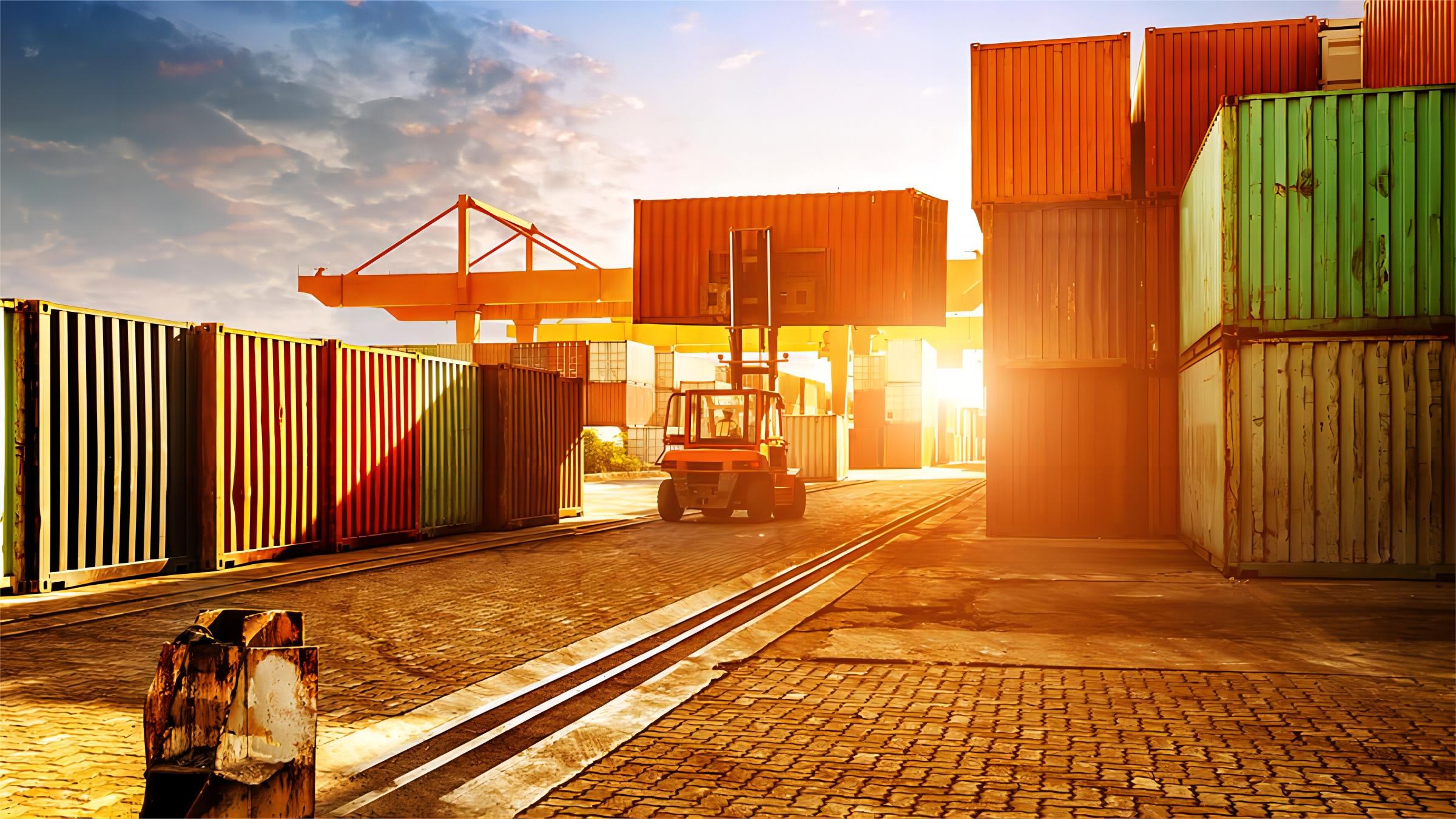
Full Container Load (FCL) shipping involves reserving an entire container for your cargo exclusively. For instance, a 40GP (40-foot General Purpose) container is a common choice for larger shipments, offering approximately 67 cubic meters of space. This method provides enhanced security and reduced handling, which is crucial for sensitive medical equipment.
Opting for FCL ensures that your medical devices and supplies are not mixed with other shippers’ goods, therefore minimizing potential damage or contamination. It is particularly cost-effective when your volume approaches or exceeds 20 cubic meters, making it ideal for substantial orders of medical instruments or hospital supplies.
Moreover, the dedicated space of a 40GP container allows for tailored loading plans. This flexibility ensures optimal protection for fragile items, consequently streamlining the entire shipping process from origin to final destination in California.
Key Factors Influencing 40GP FCL Shipping Costs
Several variables collectively determine the overall 40GP FCL shipping cost for medical equipment from China to California. Understanding these components helps in budget planning and identifying potential savings. Each element contributes significantly to the final landed cost of your valuable cargo.
Ocean Freight Rates
The base ocean freight rate covers the transportation of your container from the port of loading in China to the port of discharge in California. These rates fluctuate based on global supply and demand, fuel prices, and carrier capacity. Furthermore, surcharges like Bunker Adjustment Factor (BAF) and Currency Adjustment Factor (CAF) are often added to the base rate.
Typically, rates are subject to seasonal variations, with peak seasons often seeing higher prices. Therefore, booking in advance or during off-peak times can sometimes lead to more favorable pricing.
Origin Charges in China
Before your container even leaves China, several charges are incurred at the origin port. These commonly include Terminal Handling Charges (THC), documentation fees, customs declaration fees, and any necessary trucking from the factory to the port. These charges vary depending on the specific port and local regulations.
Destination Charges in California
Upon arrival in California, your shipment will incur destination charges. These typically cover Terminal Handling Charges (THC) at the port of discharge, drayage (trucking from port to warehouse), and potential demurrage or detention fees if the container is not picked up promptly. Furthermore, port congestion in major California ports can sometimes lead to unexpected additional costs.
Customs Duties and Taxes
Importing medical equipment into the USA involves customs duties and taxes, which are calculated based on the Harmonized System (HS) code of your products and their declared value. Moreover, medical devices are subject to specific FDA regulations, necessitating precise documentation and compliance. A professional customs broker can significantly streamline this process and ensure adherence to all regulations.
Cargo Insurance and Other Surcharges
While optional, comprehensive cargo insurance is highly recommended for valuable medical equipment. It protects against loss or damage during transit, providing peace of mind. Additionally, unforeseen surcharges such as General Rate Increases (GRIs), Peak Season Surcharges (PSS), or congestion surcharges can impact the final cost, reflecting the dynamic nature of global logistics.
Average 40GP FCL Shipping Cost from China to California
Based on current market rates (Q1 2025), the average 40GP FCL shipping cost for medical equipment from China to California typically ranges from $2,800 to $3,800 for ocean freight alone. However, the total landed cost, including all origin, destination, customs, and ancillary charges, can range from $4,500 to $6,500. This estimate is for port-to-port service and does not include potential warehousing or final-mile delivery.
For instance, a detailed breakdown reveals how various charges accumulate. These figures are indicative and can change rapidly due to market volatility. Therefore, obtaining a real-time quote is always advisable for precise planning. Note: Freight rates are subject to change based on fuel costs, carrier capacity, and seasonal demand. Contact us for a current quote tailored to your specific shipment.
| Cost Component | Typical Range (USD) |
|---|---|
| Ocean Freight (40GP) | $2,800 – $3,800 |
| Origin Charges (THC, Docs) | $400 – $600 |
| Destination Charges (THC, Drayage) | $500 – $800 |
| Customs & Duties (Estimated) | $500 – $1,500 (varies by product value/HS code) |
| Cargo Insurance (0.3% – 0.5% of cargo value) | $100 – $500 |
| Total Estimated Landed Cost (Port-to-Door) | $4,500 – $6,500 |
Transit Times and Key Ports for Medical Equipment Shipments
Efficient transit time is crucial for medical equipment, especially for time-sensitive or project-based deliveries. Shipping from major Chinese ports to California usually involves direct routes, consequently offering relatively fast ocean transit. Understanding these timelines helps manage your supply chain effectively.
Key ports of loading in China include Shanghai, Ningbo, and Shenzhen. Meanwhile, the primary ports of discharge in California are Los Angeles (LA) and Long Beach (LB), which form the busiest port complex in North America. Oakland also serves as a significant entry point for northern California. Typical transit times from China to these West Coast ports are generally between 14 to 18 days via direct services.
| Origin Port (China) | Destination Port (California) | Typical Sea Transit Time |
|---|---|---|
| Shanghai | Los Angeles/Long Beach | 14-17 Days |
| Ningbo | Los Angeles/Long Beach | 15-18 Days |
| Shenzhen (Yantian) | Los Angeles/Long Beach | 14-16 Days |
| Qingdao | Los Angeles/Long Beach | 16-18 Days |
| Shanghai | Oakland | 16-19 Days |
How Does 40GP FCL Compare to Other Shipping Options?
While 40GP FCL is an excellent choice for large volumes of medical equipment, it is beneficial to compare it with other viable shipping methods. Each option presents unique advantages and disadvantages concerning cost, speed, and suitability for different cargo types. A thorough comparison helps in making informed logistics decisions.
| Shipping Method | Cost Range (40GP equivalent) | Transit Time | Best For | Limitations |
|---|---|---|---|---|
| 40GP FCL Sea Freight | $2,800 – $3,800 (ocean freight) | 14-18 Days | Large, heavy, non-urgent medical equipment | Longer transit times, potential port delays |
| LCL Sea Freight | $50 – $120 per CBM | 20-30 Days | Small to medium volumes (under 15-20 CBM) | More handling, potential delays, higher per-unit cost for larger volumes |
| Air Freight | $15,000 – $30,000+ | 3-7 Days | Urgent, high-value, small-volume medical devices | Very high cost, volume/weight restrictions |

FCL vs. LCL (Less than Container Load)
For shipments under approximately 15-20 CBM, LCL might seem more economical on a per-CBM basis. However, LCL involves consolidation and deconsolidation, which can add handling risks and extend transit times. Conversely, FCL provides a flat rate for the entire container, making it more cost-effective for larger volumes and offering greater security for delicate medical devices.
Sea Freight vs. Air Freight
Sea freight, including 40GP FCL, offers the most economical solution for heavy and bulky medical equipment. Its transit times are longer, typically 2-4 weeks. Conversely, air freight is significantly faster (3-7 days) but comes at a much higher cost, often 5-10 times more expensive. Therefore, air freight is reserved for urgent or high-value, low-volume medical supplies where speed is paramount.
Which Shipping Option Should You Choose for Your Medical Equipment?
Selecting the optimal shipping method for your medical equipment from China to California depends on a careful evaluation of your specific business priorities. Considering factors like budget, urgency, and cargo characteristics is essential for making the right choice.
Budget Priority
If cost-efficiency is your primary concern, 40GP FCL sea freight is undeniably the most economical option for substantial volumes. This method minimizes per-unit shipping costs, especially for bulk medical supplies. Consider consolidating orders to maximize container utilization and further reduce expenses.
Speed Requirements
For urgent medical equipment or time-sensitive projects, air freight is the preferred choice despite its higher cost. When critical diagnostic tools or emergency supplies are needed quickly, the faster transit time justifies the increased expenditure. Evaluate the trade-off between speed and cost based on your operational needs.
Cargo Specifics and Volume
Fragile, high-value, or oversized medical devices benefit greatly from the dedicated space and security of a 40GP FCL container. For smaller, less urgent shipments (under 15 CBM), LCL might be considered, but always weigh the added handling risks. Volume thresholds are key: once your cargo exceeds roughly 15-20 CBM, FCL generally becomes more cost-effective and secure.
Streamlining Your Medical Equipment Shipping Process
Effectively managing the logistics of medical equipment imports requires meticulous attention to detail, particularly regarding documentation and regulatory compliance. Streamlining these processes can prevent costly delays and ensure smooth delivery. Thus, proactive planning is absolutely essential.
Medical devices are subject to stringent regulations from the U.S. Food and Drug Administration (FDA). Consequently, importers must ensure all products meet these standards, including proper labeling, registration, and pre-market approval if required. Engaging a specialized customs brokerage service is crucial for navigating these complex requirements and ensuring full compliance, thereby avoiding penalties or shipment rejections.
Real-World Case Studies: 40GP FCL Medical Equipment Shipments
Examining real-world scenarios helps illustrate the practical application of 40GP FCL shipping for medical equipment. These examples provide insight into typical costs, transit times, and key considerations for various types of medical cargo. Each case highlights unique aspects of the logistics process.
Case Study 1: Diagnostic Imaging System
A U.S. medical distributor imported a large diagnostic X-ray machine, requiring careful handling due to its sensitivity and value. Choosing a 40GP FCL ensured dedicated space and reduced transshipment risks.
| Detail | Description |
|---|---|
| Route | Shanghai, China -> Los Angeles, USA |
| Cargo | 1 unit Diagnostic X-ray Machine, 25 CBM, 2500 kg |
| Container | 40GP |
| Carrier/Service | Major ocean carrier |
| Port of Loading | Shanghai |
| Port of Discharge | Los Angeles |
| Route Type | Direct |
| Ocean Freight | $3,100 |
| Origin Charges | $450 |
| Destination Charges | $600 |
| Customs & Duties (estimated) | $750 |
| Total Landed Cost | $4,900 |
| Booking to Loading | 5 days |
| Sea Transit | 16 days |
| Customs Clearance | 3 days |
| Total Door-to-Door | 24 days |
| Key Insight | Careful handling and specific FDA documentation were critical for this high-value, sensitive medical device. |
Case Study 2: Hospital Beds & Furniture
A healthcare facility needed a bulk shipment of electric hospital beds and related furniture. A 40GP container provided ample space and cost-efficiency for this volume, optimizing freight expenses per unit.
| Detail | Description |
|---|---|
| Route | Qingdao, China -> Long Beach, USA |
| Cargo | 30 units Electric Hospital Beds, 40 CBM, 5000 kg |
| Container | 40GP |
| Carrier/Service | Major ocean carrier |
| Port of Loading | Qingdao |
| Port of Discharge | Long Beach |
| Route Type | Direct |
| Ocean Freight | $2,800 |
| Origin Charges | $420 |
| Destination Charges | $580 |
| Customs & Duties (estimated) | $650 |
| Total Landed Cost | $4,450 |
| Booking to Loading | 4 days |
| Sea Transit | 17 days |
| Customs Clearance | 2 days |
| Total Door-to-Door | 23 days |
| Key Insight | Consolidating multiple bed types optimized container space and reduced per-unit shipping costs. |
Case Study 3: PPE and Disposable Medical Products
A distributor required a large quantity of medical gloves and masks to replenish inventories. The high volume made 40GP FCL the most practical and cost-effective solution, despite the lower individual unit value.
| Detail | Description |
|---|---|
| Route | Shenzhen, China -> Oakland, USA |
| Cargo | 1200 cartons Medical Gloves & Masks, 60 CBM, 10000 kg |
| Container | 40GP |
| Carrier/Service | Major ocean carrier |
| Port of Loading | Shenzhen |
| Port of Discharge | Oakland |
| Route Type | Direct |
| Ocean Freight | $3,300 |
| Origin Charges | $480 |
| Destination Charges | $620 |
| Customs & Duties (estimated) | $500 |
| Total Landed Cost | $4,900 |
| Booking to Loading | 6 days |
| Sea Transit | 18 days |
| Customs Clearance | 3 days |
| Total Door-to-Door | 27 days |
| Key Insight | High volume, relatively low-value items benefited from FCL’s flat rate, but customs documentation for PPE required careful attention. |

Navigating Market Trends and Freight Rate Volatility
The global logistics landscape is constantly evolving, with freight rates often subject to significant volatility. Factors such as geopolitical events, fuel price fluctuations, port congestion, and carrier capacity directly impact shipping costs. For instance, peak seasons (typically from August to October) often see a 15-25% increase in rates due to heightened demand.
As of Q1 2025, freight rates from China to the USA West Coast have shown some stabilization after previous disruptions, yet remain susceptible to changes. Consequently, staying informed about market trends and working with a proactive freight forwarder is crucial for managing your budget effectively. Furthermore, unforeseen events can always introduce new challenges to the supply chain.
Partnering with an Expert Freight Forwarder
Successfully importing medical equipment demands more than just booking a container; it requires specialized knowledge and meticulous execution. A professional freight forwarder with expertise in healthcare logistics can be an invaluable partner. They offer comprehensive solutions, from origin to final delivery, ensuring compliance and efficiency.
For example, a dedicated partner can manage all aspects of your shipment, including optimizing sea freight solutions, handling complex customs procedures, and arranging door-to-door services. This holistic approach ensures your medical equipment reaches its California destination securely and on schedule, allowing you to focus on your core business. They can navigate the complexities of specific medical device import regulations, providing a seamless supply chain experience.
Conclusion
In conclusion, understanding the nuances of the 40GP FCL shipping cost for medical equipment from China to California is vital for effective supply chain management. While costs vary based on numerous factors, careful planning, regulatory compliance, and choosing the right logistics partner are paramount.
By focusing on these elements, businesses can optimize their medical equipment imports, ensuring timely and secure delivery. Ultimately, a well-managed shipping strategy contributes significantly to the success of healthcare operations, guaranteeing that critical supplies are always where they need to be.
Need a tailored shipping solution?
For an accurate and competitive 40GP FCL shipping cost for medical equipment from China to California, reach out to our experts today. We provide tailored logistics solutions to meet your specific needs, ensuring seamless and compliant delivery of your valuable healthcare products.