

40GP FCL Space Availability for Electronics from China to Spain
Shipping electronics from China to Spain demands meticulous planning, especially when securing 40GP FCL (Full Container Load) space. Businesses often face challenges like fluctuating freight rates, limited capacity, and complex customs procedures. Fortunately, understanding the market and partnering with a reliable logistics provider can streamline your supply chain. Discover how China Top Freight can help you navigate these complexities and ensure your valuable electronics reach their destination efficiently.
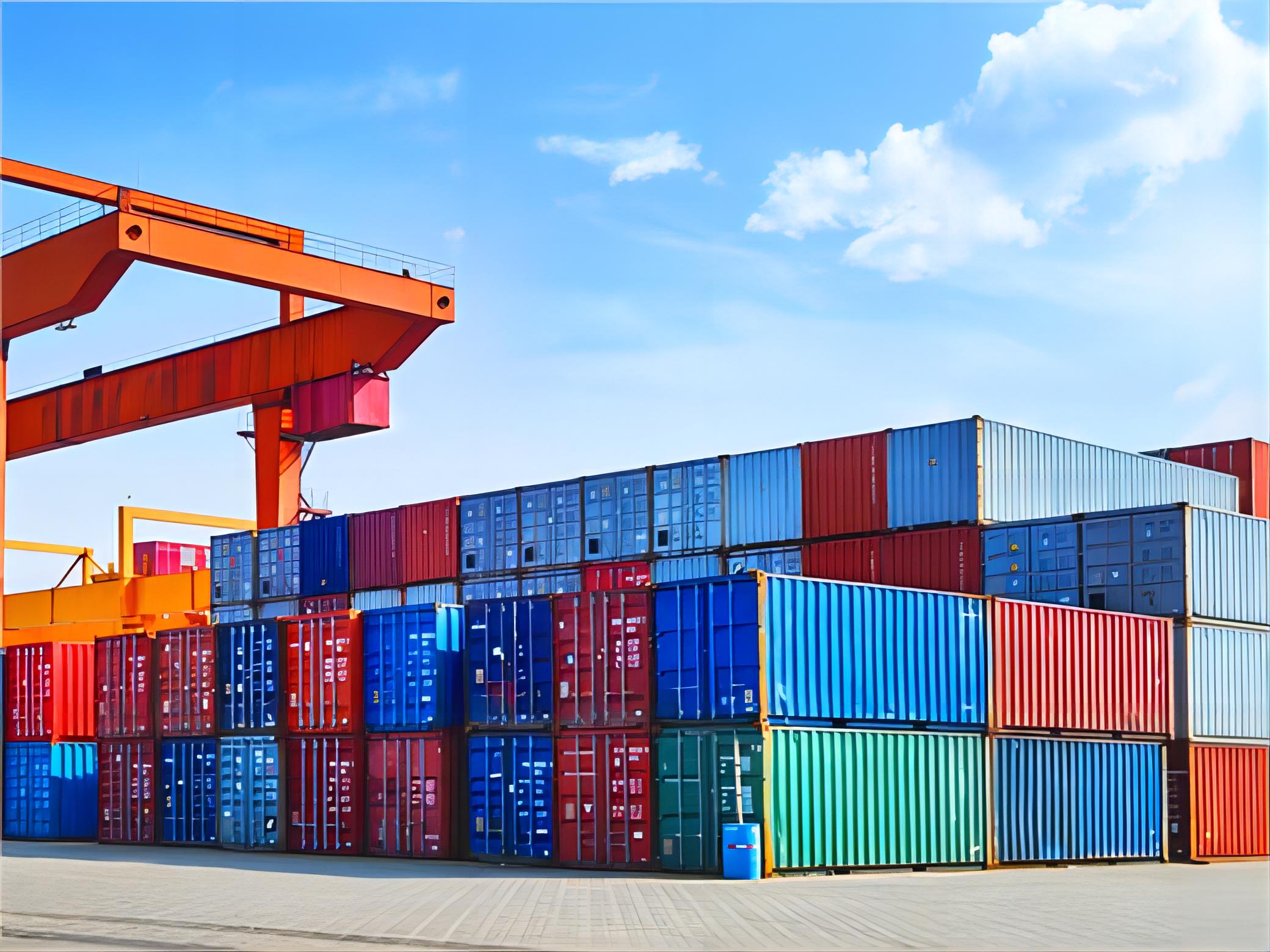
Understanding 40GP FCL for Electronics to Spain
A 40GP (General Purpose) FCL container is 40 feet long, offering substantial capacity for electronics shipments. It is typically ideal for businesses with large volumes of goods, ensuring dedicated space and reduced handling risks. This method is particularly suitable for sensitive electronic products, providing a secure and cost-effective solution.
Choosing FCL over LCL (Less than Container Load) for electronics minimizes potential damage and transit delays. Consequently, your goods remain undisturbed from origin to destination, improving overall supply chain reliability. For example, a 40GP container can hold approximately 2,400 standard-sized electronic devices, depending on packaging.
Current Market Outlook: 40GP FCL Space Availability
The market for 40GP FCL space from China to Spain is dynamic, influenced by global events and seasonal demands. As of Q1 2025, freight rates and space availability have seen stabilization after recent disruptions, including the Red Sea reroutes. Nevertheless, securing optimal space still requires proactive planning.
Seasonal fluctuations, such as the pre-Chinese New Year rush and Q4 peak season, significantly impact availability and pricing. During these periods, demand for sea freight surges, leading to tighter space and higher shipping costs. Therefore, early booking is crucial to mitigate potential delays and increased expenses.
Market data suggests that typical rates for a 40GP container from major Chinese ports to Spain range from $2,800 to $3,800, though these figures are subject to change based on fuel surcharges and carrier capacity. Moreover, understanding these trends helps businesses forecast logistics budgets more accurately. Note: Freight rates are subject to change based on fuel costs, carrier capacity, and seasonal demand. Contact us for a current quote tailored to your specific shipment.
| Factor | Impact on Space & Rates | Mitigation Strategy |
|---|---|---|
| Peak Seasons (Q4, CNY) | Reduced space, higher rates | Book 4-6 weeks in advance |
| Port Congestion | Increased transit times, surcharges | Choose less congested ports, flexible planning |
| Fuel Surcharges | Variable overall cost | Monitor oil prices, secure fixed-rate contracts |
| Carrier Capacity | Directly affects availability | Diversify carrier options, use freight forwarders |
Key Factors Influencing 40GP FCL Space & Rates
Several critical factors determine the availability and cost of 40GP FCL space for electronics. Understanding these elements empowers businesses to make informed decisions and optimize their shipping strategies. Indeed, proactive management of these variables can lead to significant savings and improved delivery schedules.
For instance, the choice of shipping line and vessel schedule plays a major role. Some carriers offer more direct routes, which can impact both transit time and overall cost. Furthermore, negotiating favorable terms with carriers or leveraging a freight forwarder’s network can secure better rates and guaranteed space.
Port Congestion and Carrier Capacity
Port congestion in major Chinese hubs like Shanghai, Ningbo, and Shenzhen can severely affect shipping schedules. Consequently, vessels might face delays, impacting the estimated transit time to Spanish ports such as Valencia or Barcelona. Carrier capacity also fluctuates based on global demand and vessel deployment.
Additionally, during high demand periods, carriers prioritize regular clients or those paying premium rates. Therefore, working with a freight forwarder that has established relationships with multiple carriers can provide better access to available 40GP FCL space, even during tight market conditions.
Fuel Surcharges and Demand Fluctuations
Bunker Adjustment Factors (BAF) and Emergency Bunker Surcharges (EBS) are common variable costs tied to fuel prices. These surcharges can significantly impact the final freight rates, making accurate budgeting challenging. Moreover, geopolitical events can trigger sudden spikes in fuel costs.
Demand fluctuations, driven by economic cycles or new product launches, also influence pricing. For example, a global launch of a popular electronic gadget can create a surge in demand for shipping containers. Therefore, staying updated on logistics trends and market intelligence is vital.
Booking Strategies for Optimal Space
To secure optimal 40GP FCL space, consider booking well in advance, especially for high-volume or time-sensitive electronics. Many forwarders recommend booking 2-4 weeks ahead of your planned ready date. Furthermore, being flexible with your shipping dates can sometimes unlock better rates and availability.
Another strategy involves consolidating orders to fill a full 40GP container, thus maximizing cost efficiency per unit. This approach helps in reducing overall shipping costs compared to multiple smaller LCL shipments. Ultimately, a well-planned booking strategy is paramount for consistent supply chain operations.
Navigating Customs and Regulations for Electronics
Shipping electronics to Spain involves strict adherence to European Union customs regulations and specific Spanish import requirements. Proper documentation is not merely a formality; it is essential to avoid delays, penalties, and even seizure of goods. Furthermore, ensuring compliance from the outset simplifies the entire import/export process.
Key aspects include accurate HS (Harmonized System) codes, CE marking for product safety, and proper invoicing. Spain, as part of the EU, requires all electronic products to meet safety and environmental standards. Consequently, partnering with an experienced customs brokerage service is invaluable for seamless entry.
| Document | Purpose | Key Detail |
|---|---|---|
| Commercial Invoice | Customs valuation, duties | Accurate product description, value, currency |
| Packing List | Cargo inspection | Detailed item count, weight, dimensions per package |
| Bill of Lading (B/L) | Contract of carriage, title to goods | Shipper, consignee, notify party, port details |
| Certificate of Origin | Preferential tariffs | Proof of manufacturing country |
| CE Marking Declaration | EU safety compliance | Manufacturer’s declaration of conformity for electronics |
How Does 40GP FCL Compare to Other Shipping Options?
While 40GP FCL is often the go-to for large volumes of electronics, it is crucial to consider alternative shipping methods based on your specific needs. Each option presents different trade-offs in terms of cost, speed, and suitability for various cargo types. Therefore, a comprehensive comparison helps in making an informed decision.
For instance, time-sensitive or high-value electronics might warrant faster, albeit more expensive, alternatives. Conversely, smaller shipments may find LCL or express services more economical. Understanding these differences is key to optimizing your logistics strategy for electronics from China to Spain.
| Shipping Method | Cost Range (40GP/equivalent) | Transit Time (China to Spain) | Best For | Limitations |
|---|---|---|---|---|
| 40GP FCL Sea Freight | $2,800 – $3,800 | 28 – 35 days | Large volume, non-urgent, cost-effective | Slowest, port congestion risks |
| LCL Sea Freight | $50 – $80 per CBM | 30 – 40 days | Smaller volumes (under 15 CBM), flexible | More handling, potential for delays, higher per CBM cost |
| Air Freight | $5 – $10 per kg | 5 – 7 days | Urgent, high-value, small volume electronics | Very expensive, weight/volume restrictions |
| Rail Freight (China-Europe) | $8,000 – $12,000 (40HQ) | 18 – 25 days | Mid-speed, secure, higher value than sea | Limited routes, higher cost than sea, capacity can vary |
Which Shipping Option Should You Choose for Your Electronics?
Selecting the right shipping method for electronics from China to Spain hinges on several strategic considerations. Balancing budget, speed, and cargo characteristics is paramount for an effective supply chain. Ultimately, the best choice aligns with your business priorities and product requirements.
Consider your inventory management strategy and customer expectations. For example, if you operate on a just-in-time model, faster transit times might justify higher costs. Conversely, if inventory can be held, cost-efficiency takes precedence.
Budget-Conscious Shipments
If cost savings are your primary concern, 40GP FCL sea freight is generally the most economical choice. It offers the lowest per-unit cost for large volumes of electronics. However, you must account for longer transit times and potential market fluctuations in freight rates. This option suits businesses with predictable demand and sufficient lead times.
Additionally, consolidating multiple smaller orders into a single FCL shipment can further reduce overall expenditures. This strategy is particularly effective for regular imports of consumer electronics. Always seek comprehensive quotes that include all origin and destination charges to get a true landed cost.
Time-Sensitive Deliveries
For urgent electronic components or new product launches, air freight is undoubtedly the fastest option, cutting transit time significantly. Although it comes with a substantially higher price tag, the speed can be critical for meeting market demands or avoiding production stoppages. Therefore, air freight is often reserved for high-value or critical shipments.
Alternatively, rail freight offers a middle-ground solution, faster than sea but more affordable than air. This method is gaining popularity for its balance of speed and cost, suitable for electronics that need to arrive quicker than sea freight allows but aren’t urgent enough for air. It provides a reliable delivery schedule across Europe.
High-Value or Fragile Electronics
When shipping high-value or fragile electronics, minimizing handling and maximizing security are top priorities. 40GP FCL provides a dedicated container, reducing the risk of damage or theft compared to LCL. The goods remain sealed from origin to destination, offering peace of mind.
Furthermore, for extremely sensitive items, specialized packaging and climate-controlled containers can be arranged. This ensures that environmental factors do not compromise the integrity of the electronics. Ultimately, prioritizing cargo safety can prevent costly losses and maintain product quality.
Real-World Case Studies: Securing 40GP FCL Space
These case studies illustrate practical scenarios for shipping electronics from China to Spain, highlighting real-world challenges and solutions. They demonstrate how effective planning and expert logistics management can overcome common hurdles. Each example provides valuable insights into cost, transit, and critical decision-making.
Case Study 1: Large Volume Consumer Electronics
This case involved a Spanish retailer importing a large batch of consumer electronics, including smart devices and accessories, ahead of a major sales event. Securing consistent 40GP FCL space was critical to meet their inventory management goals. Based on Q3 2024 market rates, careful planning was essential.
| Detail | Description |
|---|---|
| Route | Shanghai, China -> Valencia, Spain |
| Cargo | Consumer Electronics (Smartphones, Tablets), 60 CBM, 15,000 kg |
| Container | 40GP FCL |
| Shipping Details | Carrier: COSCO, Port of Loading: Shanghai, Port of Discharge: Valencia, Route Type: Direct |
| Cost Breakdown | Ocean Freight: $3,200, Origin Charges: $450, Destination Charges: $550, Customs & Duties (estimated): $800, Total Landed Cost: $5,000 |
| Timeline | Booking to Loading: 10 days, Sea Transit: 30 days, Customs Clearance: 3 days, Total Door-to-Door: 38 days |
| Key Insight | Early booking (4 weeks prior) secured preferred vessel space and minimized peak season surcharges, ensuring timely delivery for the sales event. |
Case Study 2: Urgent Component Shipment
A Spanish electronics manufacturer needed to replenish a critical component for their production line quickly. While 40GP FCL was their usual method, the urgency required a faster solution, prompting a re-evaluation of shipping strategies. Typical rates as of early 2025 influenced cost considerations.
| Detail | Description |
|---|---|
| Route | Shenzhen, China -> Barcelona, Spain |
| Cargo | Electronic Components (PCBs, Microchips), 12 CBM, 2,500 kg |
| Container | LCL (initially considered Air Freight) |
| Shipping Details | Carrier: Maersk (LCL consolidation), Port of Loading: Shenzhen, Port of Discharge: Barcelona, Route Type: Transshipment via Singapore |
| Cost Breakdown | Ocean Freight: $900 (LCL), Origin Charges: $200, Destination Charges: $250, Customs & Duties (estimated): $300, Total Landed Cost: $1,650 |
| Timeline | Booking to Loading: 7 days, Sea Transit: 35 days, Customs Clearance: 4 days, Total Door-to-Door: 46 days (Air Freight option: 7 days total, cost: $15,000) |
| Key Insight | Despite urgency, the client opted for expedited LCL due to extreme air freight costs. Strategic consolidation and proactive customs brokerage minimized delays, avoiding production halt without extreme expenditure. |
Case Study 3: Seasonal Gadget Delivery
This scenario involved a European distributor importing innovative gadgets for the holiday season. The challenge was securing reliable 40GP FCL space and managing the delivery schedule during the highly congested Q4 period. Based on Q4 2024 market rates, rates were 20% higher than off-peak.
| Detail | Description |
|---|---|
| Route | Ningbo, China -> Algeciras, Spain |
| Cargo | Smart Home Devices, 55 CBM, 12,000 kg |
| Container | 40GP FCL |
| Shipping Details | Carrier: CMA CGM, Port of Loading: Ningbo, Port of Discharge: Algeciras, Route Type: Direct |
| Cost Breakdown | Ocean Freight: $3,700 (Q4 rate), Origin Charges: $500, Destination Charges: $600, Customs & Duties (estimated): $750, Total Landed Cost: $5,550 |
| Timeline | Booking to Loading: 14 days, Sea Transit: 32 days, Customs Clearance: 3 days, Total Door-to-Door: 49 days |
| Key Insight | Leveraged a long-standing freight forwarder relationship to secure guaranteed space and a direct vessel despite peak season demand. This proactive approach prevented significant delays that affected competitors. |
Optimizing Your Supply Chain for Electronics from China to Spain
An optimized supply chain is crucial for the efficient and cost-effective delivery of electronics. Beyond simply securing 40GP FCL space, it involves integrating various logistics services to create a seamless flow from factory to final destination. This holistic approach ensures resilience and predictability.
Consider leveraging door-to-door services, which handle every aspect of the shipment, including inland transport, customs clearance, and final delivery. This integrated solution minimizes administrative burdens and reduces the risk of miscommunication. Ultimately, a well-managed supply chain contributes directly to customer satisfaction and business growth, especially for Europe-bound cargo.
Conclusion
Navigating the complexities of securing 40GP FCL space for electronics from China to Spain requires strategic planning and up-to-date market knowledge. By understanding current market trends, anticipating challenges, and choosing the right shipping method, businesses can significantly enhance their supply chain efficiency.
Whether prioritizing cost, speed, or cargo security, a tailored approach is essential. Partnering with an experienced freight forwarder provides access to critical insights, carrier networks, and comprehensive logistics solutions, ensuring your electronics shipments are handled with expertise. Proactive management of your 40GP FCL needs will undoubtedly lead to smoother operations and greater success in the competitive electronics market.
Need a tailored shipping solution?
Ready to secure reliable 40GP FCL space for your electronics from China to Spain? Contact us today for a personalized quote and expert guidance. Our team is prepared to optimize your logistics and ensure timely delivery of your valuable cargo.