

40GP FCL Tracking for Machinery from China to Florida
Importing heavy machinery from China to Florida requires meticulous planning and reliable tracking. This guide provides essential insights into 40GP FCL tracking for machinery, ensuring your valuable equipment arrives safely and efficiently. At China Top Freight, we understand the complexities involved in international logistics, especially for high-value cargo.

Why is 40GP FCL Tracking Crucial for Machinery Shipments?
Shipping machinery, particularly large or delicate industrial equipment, demands unparalleled visibility throughout its journey. Consequently, 40GP FCL tracking for machinery from China to Florida is not merely a convenience; it is a critical component of risk management and operational efficiency. Real-time updates help businesses proactively address potential delays and maintain production schedules.
Furthermore, the sheer value and size of machinery necessitate a shipping method that offers security and dedicated space. Full Container Load (FCL) in a 40GP container provides this isolation, protecting your investment from damage or co-mingling with other cargo. Understanding the nuances of this dedicated container ensures optimal cargo protection.
Understanding 40GP FCL for Heavy Equipment
A 40GP (General Purpose) container, roughly 40 feet long, is a standard choice for many types of machinery. It offers ample space for robust packing and securing of heavy items. Indeed, using an FCL means your cargo is the sole occupant, reducing handling risks and transit times compared to Less than Container Load (LCL) options.
Moreover, the specific dimensions of a 40GP container are ideal for many industrial machines, allowing for efficient loading and weight distribution. Therefore, selecting the correct container size is a fundamental first step in securing your machinery during transit across oceans.
The Value of Real-Time Visibility
Real-time tracking provides peace of mind and allows for precise planning at the destination. Knowing the exact location and estimated time of arrival (ETA) of your 40GP FCL machinery from China to Florida enables seamless coordination of port handling, drayage, and installation teams. This level of detail is invaluable for complex projects.
Additionally, advanced tracking systems can alert you to any unforeseen events, such as port congestion or customs delays. Consequently, this early warning allows businesses to adjust their supply chain operations, mitigating financial losses and maintaining project timelines. Effective communication remains key.
Navigating the Shipping Process: China to Florida
Successfully moving machinery from China to Florida involves several critical stages, each requiring expert oversight. From origin logistics to destination customs clearance, each step must be meticulously managed. Understanding this process is vital for any importer.
Initially, selecting a reputable freight forwarder is paramount. They will guide you through documentation, carrier selection, and route optimization. This expertise ensures that your 40GP FCL tracking for machinery shipment progresses without unnecessary complications.
| Document Type | Purpose | Required By | Notes |
|---|---|---|---|
| Commercial Invoice | Details of goods, value, terms of sale | Customs, Buyer | For import duty calculation |
| Packing List | Itemized list of contents, weight, dimensions | Customs, Carrier | Aids in cargo verification |
| Bill of Lading (BOL) | Contract of carriage, title to goods | Carrier, Buyer | Proof of ownership and shipment details |
| Certificate of Origin | Declares country of manufacture | Customs | May affect duty rates |
| Import Permit/License | Required for certain types of machinery | US Authorities | Check specific machinery classifications |
| ISF (Importer Security Filing) | Pre-arrival cargo information for US Customs | US Customs | Mandatory for ocean shipments to USA |
Key Steps in Ocean Freight Logistics
The journey begins with booking the appropriate 40GP container and coordinating pickup from the supplier’s factory in China. Subsequently, the machinery is expertly loaded and secured within the container, often requiring specialized equipment. Proper lashing and bracing prevent movement and damage during transit.
Once loaded, the container moves to the port of loading, undergoes customs export clearance, and is loaded onto the vessel. The ocean transit to Florida is the longest leg, followed by arrival at the destination port, import customs clearance, and final delivery. Each stage is tracked for continuous visibility.
Essential Documentation for Machinery Imports
Importing machinery requires a comprehensive set of documents to ensure compliance with both Chinese export and US import regulations. Incomplete or incorrect paperwork can lead to significant delays and penalties. Therefore, careful preparation is essential.
Moreover, a professional freight forwarder specializing in Customs Brokerage can manage this complex documentation process on your behalf. This service ensures all necessary forms are accurately completed and submitted in a timely manner, preventing costly holdups at the port of entry.
How Does 40GP FCL Compare to Other Shipping Options?
While 40GP FCL is often ideal for machinery, understanding alternative shipping methods is crucial for making informed logistical decisions. Each option presents different cost, speed, and capacity trade-offs. Comparing these helps optimize your supply chain.
Indeed, the choice depends heavily on factors like cargo volume, urgency, budget constraints, and the specific type of machinery being transported. Therefore, a thorough evaluation is always recommended before committing to a shipping strategy.
| Shipping Method | Cost Range (China-Florida) | Transit Time | Best For | Limitations |
|---|---|---|---|---|
| 40GP FCL (Ocean) | $4,000 – $5,500 | 30-35 days | Large, heavy machinery; cost-effective | Slower transit times, port congestion risk |
| LCL (Ocean) | $50 – $80 per CBM | 35-45 days | Smaller machinery, partial loads | More handling, longer transit, higher risk of damage |
| Air Freight | $15,000 – $25,000+ | 5-7 days | Urgent, high-value, lightweight machinery | Very high cost, size/weight restrictions |
| Sea-Air Hybrid | $8,000 – $15,000 | 15-20 days | Moderate urgency, balance of cost/speed | Limited routes, still more expensive than ocean |

When to Consider Alternatives: LCL, Air Freight, and Hybrid Solutions
For smaller machinery or parts that do not fill a 40GP container, Less than Container Load (LCL) might be more cost-effective. However, LCL typically involves more handling and longer transit times. Consequently, the trade-off is often cost versus speed and security.
Alternatively, for urgent or high-value, lightweight machinery, air freight offers significantly faster transit times. Although air freight costs are substantially higher, the speed can be critical for time-sensitive projects. A hybrid solution, like sea-air, combines the benefits of both for specific routes.
Moreover, direct routes generally cost 10-15% more but save 5-7 days compared to transshipment via major hubs. This choice impacts both transit time and overall shipping costs for your 40GP FCL machinery from China to Florida.
Decision Framework: Choosing the Right Method
If budget is your primary concern and time is less critical, 40GP FCL via ocean freight is usually the most economical choice. Conversely, if speed is paramount, air freight becomes the only viable option, despite its higher expense. The nature of the machinery also plays a role.
For instance, delicate or oversized cargo often benefits from the dedicated space and secure handling of an FCL container. Conversely, smaller, less fragile items might fit well into an LCL shipment. Always consider the total landed cost, not just the freight rate.
Understanding Transit Times and Routes to Florida Ports
The transit time for 40GP FCL machinery from China to Florida can vary significantly based on the origin port in China, the destination port in Florida, and the chosen shipping line. Typically, ocean transit averages between 30 to 35 days. However, this is just the sea leg.
Additionally, factors such as vessel schedules, transshipment points, and seasonal demand can influence the overall delivery schedule. Therefore, accurate planning requires considering the full door-to-door timeline, including inland transport and customs processing.
Major Ports for Florida-Bound Shipments
Florida boasts several key ports capable of handling large container vessels from North America, including Miami, Jacksonville, and Port Everglades. Each port has its own advantages in terms of inland connectivity and specific cargo handling capabilities. For instance, Miami is a major hub for Latin American trade.
Choosing the right port of discharge in Florida can significantly impact inland drayage costs and transit times to your final destination. Consequently, working with a freight forwarder who understands the regional logistics network is highly beneficial for optimizing overall delivery.
Factors Affecting Delivery Schedules
Several variables beyond the direct sea voyage can affect the total transit time for 40GP FCL machinery. These include port congestion at both origin and destination, customs inspection times, and availability of inland transport. Peak seasons, such as before major holidays, can also cause delays.
Moreover, adverse weather conditions, unforeseen vessel breakdowns, or rerouting due to geopolitical events can extend transit times. Therefore, building in a buffer for your delivery schedule is a prudent strategy when importing machinery from China.
What are the Costs Involved in 40GP FCL Shipping?
The total cost of shipping 40GP FCL machinery from China to Florida extends beyond just the ocean freight rate. Importers must account for a range of charges, from origin handling to destination delivery and customs duties. A clear understanding of these components prevents unexpected expenses.
Moreover, freight rates are dynamic, influenced by fuel costs, carrier capacity, and global trade demand. Therefore, obtaining a detailed, all-inclusive quote from your freight forwarder is essential for accurate budgeting and financial planning.
Breaking Down Freight Rates and Surcharges
Ocean freight rates for a 40GP container from China to the US East Coast (including Florida) typically range from $4,000 to $5,500 as of early 2025. This base rate is subject to various surcharges, such as Bunker Adjustment Factor (BAF) for fuel and Peak Season Surcharge (PSS).
Additionally, origin charges include terminal handling, documentation fees, and local trucking to the port in China. Destination charges cover terminal handling, drayage from the port in Florida, and potentially warehousing or special equipment for unloading. Each component adds to the overall cost of your 40GP FCL machinery shipment.
Estimating Customs Duties and Taxes for Machinery
Import duties and taxes are significant cost factors for machinery entering the USA. These are calculated based on the Harmonized Tariff Schedule (HTS) code of your specific machinery. Duty rates can vary widely, from 0% to over 25% depending on the machine type and country of origin.
Furthermore, a customs broker can help classify your machinery correctly and estimate the applicable duties. Sales tax may also apply depending on the state of Florida’s regulations. Accurately budgeting for these costs is critical for determining the total landed cost of your imported equipment.
Note: Freight rates are subject to change based on fuel costs, carrier capacity, and seasonal demand. Contact us for a current quote tailored to your specific shipment.
Case Studies: Successful Machinery Imports to Florida
Real-world examples demonstrate the complexities and successful navigation of shipping 40GP FCL machinery from China to Florida. These case studies highlight the importance of planning, expert coordination, and reliable tracking. They provide practical insights into typical challenges and solutions.
Indeed, each shipment presents unique requirements, from cargo dimensions to specific delivery timelines. Our experience ensures that even the most challenging logistics scenarios are managed effectively, delivering machinery safely and on schedule.
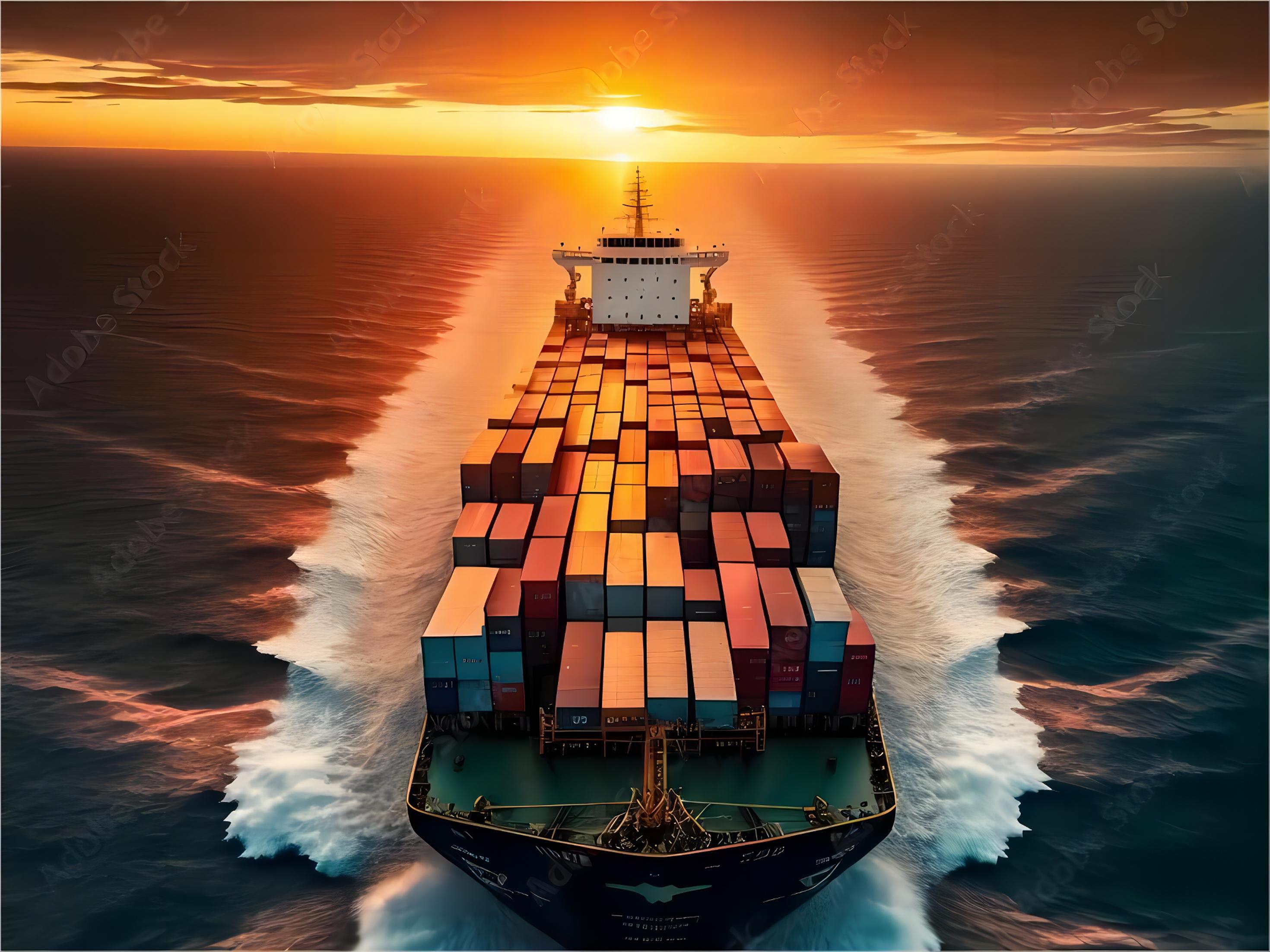
Case Study 1: Large Industrial Press from Shanghai to Miami
| Detail | Description |
|---|---|
| Route | Shanghai, China Miami, USA |
| Cargo | Industrial Press Machine, 28 CBM, 15,000 kg |
| Container | 40GP FCL |
| Shipping Details | Carrier: Major line (e.g., COSCO); Port of Loading: Shanghai; Port of Discharge: Miami; Route Type: Direct |
| Cost Breakdown | Ocean Freight: $4,800; Origin Charges: $450; Destination Charges: $600; Customs & Duties (est): $1,200; Total Landed Cost: $7,050 (Based on Q3 2024 market rates) |
| Timeline | Booking to Loading: 5 days; Sea Transit: 32 days; Customs Clearance: 3 days; Total Door-to-Door: 40 days |
| Key Insight | Pre-shipment planning for oversized cargo dimensions and coordinating specialized unloading equipment at destination were critical for this 40GP FCL machinery shipment. |
Case Study 2: Agricultural Equipment from Ningbo to Jacksonville
| Detail | Description |
|---|---|
| Route | Ningbo, China Jacksonville, USA |
| Cargo | Compact Tractor & Attachments, 22 CBM, 9,500 kg |
| Container | 40GP FCL |
| Shipping Details | Carrier: Major line (e.g., ONE); Port of Loading: Ningbo; Port of Discharge: Jacksonville; Route Type: Transshipment via Panama Canal |
| Cost Breakdown | Ocean Freight: $4,500; Origin Charges: $400; Destination Charges: $550; Customs & Duties (est): $1,000; Total Landed Cost: $6,450 (Typical rates as of early 2025) |
| Timeline | Booking to Loading: 4 days; Sea Transit: 35 days; Customs Clearance: 2 days; Total Door-to-Door: 41 days |
| Key Insight | Careful coordination of inland drayage from the port to the final farm location in rural Florida was essential for this time-sensitive agricultural machinery delivery. |
Optimizing Your Logistics: Tips for Smooth Machinery Tracking
Achieving seamless 40GP FCL tracking for machinery from China to Florida involves more than just a tracking number. It requires a holistic approach to logistics management, leveraging expertise and technology. Proactive strategies can significantly enhance efficiency and reduce stress.
Furthermore, maintaining open communication channels with all parties involved, from the supplier to the customs broker, is paramount. This collaborative effort ensures that any issues are identified and resolved quickly, minimizing disruptions to your supply chain.
The Role of a Reliable Freight Forwarder
A seasoned freight forwarder acts as your single point of contact, orchestrating the entire shipping process. They possess the network and expertise to negotiate favorable rates, manage complex documentation, and provide continuous updates on your cargo’s status. This expertise is invaluable for machinery imports.
Moreover, for comprehensive service, consider a provider offering door-to-door solutions. This eliminates the need to coordinate multiple vendors, simplifying the logistics chain and ensuring a smoother transition from factory to final destination. They handle everything from pickup to delivery.
Leveraging Technology for Enhanced Tracking
Modern logistics platforms offer real-time visibility into your 40GP FCL shipment’s location, vessel movements, and estimated arrival times. These tools often integrate with carrier systems, providing accurate and up-to-date information. Consequently, this transparency empowers better decision-making.
Additionally, automated alerts for milestones or potential delays can keep you informed without constant manual checking. This technological advantage is particularly beneficial for high-value machinery shipments, providing an extra layer of security and control.
Overcoming Challenges in China-Florida Machinery Logistics
Shipping heavy machinery across continents inevitably comes with potential challenges, from port congestion to complex customs regulations. Proactively addressing these issues is key to maintaining a smooth and efficient supply chain. Anticipation and preparation are crucial.
Indeed, understanding common obstacles allows importers to build resilience into their logistics plans. A flexible approach, coupled with expert guidance, helps mitigate risks and ensures successful delivery of your 40GP FCL machinery from China to Florida.
Addressing Port Congestion and Delays
Port congestion, especially at major hubs, can significantly impact transit times and lead to unexpected demurrage charges. Staying informed about port conditions and choosing less congested routes or ports when possible can help. Market data suggests certain ports experience higher volumes at specific times.
Furthermore, a proactive freight forwarder can advise on alternative strategies or provide early warnings if delays are anticipated. This allows for adjustments in your production or installation schedules, minimizing the knock-on effects of such disruptions.
Ensuring Proper Cargo Handling and Insurance
Machinery often requires specialized handling, both during loading and unloading, due to its size, weight, or delicate components. Ensuring that all logistics partners are equipped and experienced in handling such cargo is vital. Proper securing within the 40GP FCL container is non-negotiable.
Moreover, comprehensive cargo insurance is highly recommended for all machinery shipments. This protects your investment against unforeseen events like damage, loss, or theft during transit. Industry benchmarks indicate that insurance is a small cost for significant peace of mind.
Conclusion
Navigating the complexities of 40GP FCL tracking for machinery from China to Florida demands a strategic approach and reliable partners. From understanding container types and documentation to managing costs and transit times, every detail matters. The goal is always a seamless, efficient, and secure delivery.
By leveraging expert freight forwarding services, embracing real-time tracking technology, and proactively addressing potential challenges, businesses can optimize their supply chain. Ultimately, this ensures the successful import of critical machinery, supporting operations across Florida. Partner with us for your next machinery shipment.
Start Your Shipment
Ready to streamline your machinery imports? Contact us today for a personalized quote on 40GP FCL tracking for machinery from China to Florida. Our experts are here to provide tailored logistics solutions and ensure your valuable cargo arrives safely and on schedule.
Request Quote